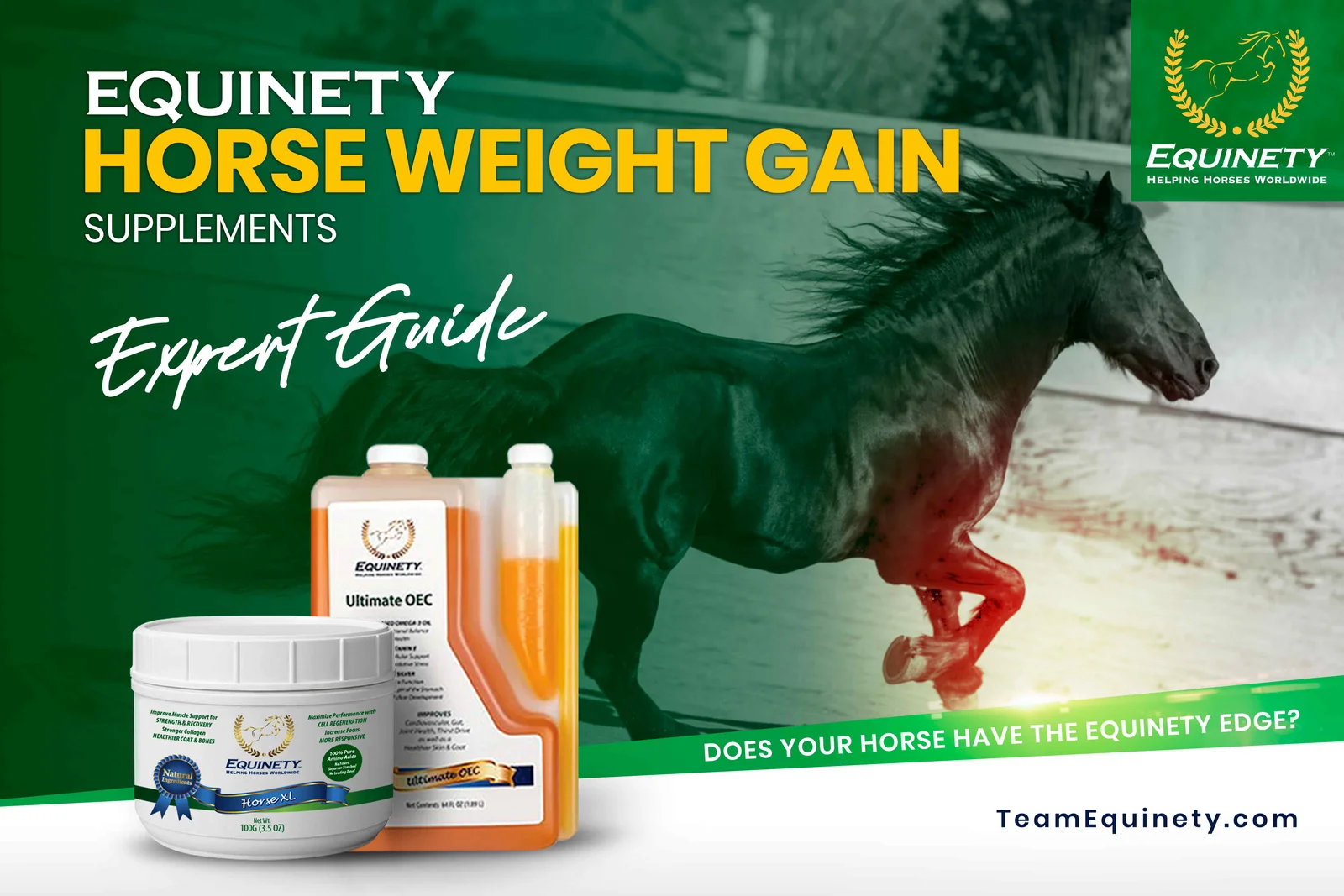
Horse Weight Gain Supplements (Expert’s Guide 2023)

How to Choose the Right Formula of Horse Weight Gain Supplements for Optimal Health

In the world of equine nutrition, maintaining a healthy weight is vital for the overall well-being and performance of horses. However, some horses may struggle to gain weight due to various factors such as age, metabolism, or underlying health issues. This is where horse weight gain supplements come into play. In this comprehensive guide, we will delve into the world of horse weight gain supplements, exploring their benefits, understanding the key factors to consider when choosing the right formula, and providing practical tips for achieving optimal health.

1. Understanding Horse Weight Gain:
Before delving into the realm of supplements, it’s important to understand the factors that contribute to horse weight gain. Factors such as genetics, age, diet, and exercise play a crucial role. Assessing the specific needs of your horse and identifying any underlying health issues is the first step toward effective weight gain management.

2. The Role of Horse Weight Gain Supplements:
Horse weight gain supplements are specially formulated to provide additional calories, essential nutrients, and vitamins that support healthy weight gain. These supplements can help horses build muscle mass, improve body condition, and enhance overall health. However, it’s important to note that supplements should be used in conjunction with a balanced diet and proper veterinary care.

3. Identifying Your Horse’s Specific Needs:
Every horse is unique and may have different nutritional requirements. Before choosing a weight gain supplement, consider factors such as age, breed, activity level, and any underlying health conditions. Consulting with a veterinarian or equine nutritionist can provide valuable insights into your horse’s specific needs and guide you toward the most appropriate supplement.

4. Understanding Supplement Ingredients:
When selecting a horse weight gain supplement, it’s crucial to understand the ingredients and their specific benefits. Look for supplements that contain high-quality protein sources, essential amino acids, omega-3 fatty acids, and easily digestible carbohydrates. These ingredients promote healthy weight gain, muscle development, and overall body condition.

5. Evaluating Supplement Quality and Safety:
Not all supplements are created equal, so it’s important to choose products from reputable manufacturers that adhere to strict quality control standards. Look for supplements that are tested for purity, and potency, and are free from any harmful substances or fillers. Reading reviews and seeking recommendations from trusted sources can also help in evaluating the safety and efficacy of the product.

6. Considering the Form of Supplement:
Horse weight gain supplements are available in various forms, including pellets, powders, liquids, and feeds. Consider the preferences and feeding habits of your horse when choosing the most suitable form. Additionally, ensure that the supplement is palatable and easy to administer to encourage consistent intake.

7. Introducing Horse Weight Gain Supplements Gradually:
When introducing a new weight gain supplement, it’s important to do so gradually. Sudden changes in diet can disrupt a horse’s digestive system. Start with small amounts and gradually increase the dosage over several days or weeks. This allows the horse’s system to adjust and minimizes the risk of digestive upset.

8. Monitoring and Adjusting the Horse Weight:
Once your horse is on a weight gain supplement, closely monitor their progress. Regularly assess their body condition score, weight, and overall health. If necessary, consult with a veterinarian or equine nutritionist to make adjustments to the supplement dosage or explore other dietary modifications that may better suit your horse’s needs.

9. Patience and Consistency:
Achieving healthy weight gain in horses takes time and patience. It’s important to be consistent with the supplement regimen, feeding routine, and exercise program. Regularly reassess your horse’s needs and make adjustments as necessary to ensure long-lasting and sustainable weight gain.

10. Holistic Approach to Horse Weight Gain:
Weight gain supplements alone cannot solve all weight management issues. It’s crucial to adopt a holistic approach that includes a balanced diet, regular exercise, proper dental care, and routine veterinary check-ups. By addressing all aspects of your horse’s health, you can optimize their weight gain journey and promote overall well-being.

Choosing the right horse weight gain supplement is a crucial step towards achieving optimal health for your equine companion. By understanding your horse’s specific needs, evaluating supplement ingredients, considering safety and quality, and monitoring progress, you can make informed decisions that support healthy weight gain. Remember, patience and consistency are key, and a holistic approach to horse care will ensure a well-rounded and successful weight gain journey.

2. How to Safely and Effectively Use Horse Weight Gain Supplements.

Using Horse Weight Gain Supplements Safely and Effectively is no less than art, and in this reading, we will master your init.

When it comes to the health and well-being of our equine companions, maintaining an ideal weight is of utmost importance. However, some horses may struggle to gain weight due to various factors such as age, metabolism, or underlying health conditions. This is where horse weight gain supplements come into play. In this comprehensive guide, we will explore the safe and effective use of horse weight gain supplements, providing you with practical tips and insights to ensure optimal results.

1. Understand Your Horse’s Unique Needs:
Before incorporating any weight gain supplement into your horse’s diet, it is crucial to understand their specific needs. Factors such as age, breed, activity level, and overall health must be taken into consideration. Consulting with a veterinarian or equine nutritionist will provide valuable insights and help you choose the most suitable supplement for your horse.

2. Choose High-Quality Supplements:
The market is flooded with various weight gain supplements, making it essential to choose high-quality products from reputable manufacturers. Look for supplements that are formulated with natural, wholesome ingredients and are free from harmful additives or fillers. Reading product labels and researching customer reviews can provide valuable information about the quality and efficacy of the supplement.

3. Start Slow and Gradually Increase Dosage:
When introducing a weight gain supplement to your horse, it is crucial to start with a small dosage and gradually increase it over time. Sudden dietary changes can disrupt the delicate balance of your horse’s digestive system, leading to potential health issues. By allowing your horse’s system to adjust gradually, you minimize the risk of digestive upset and ensure a smooth transition.

4. Monitor and Assess:
Once your horse is on a weight gain supplement, it is essential to closely monitor their progress. Regularly assess their body condition, weight, and overall health to ensure the supplement is effectively supporting weight gain. Keep track of any changes and consult with your veterinarian if necessary to make adjustments to the dosage or explore alternative options.

5. Maintain a Balanced Diet:
While weight gain supplements can be beneficial, they should never replace a balanced diet. Ensure that your horse’s diet consists of high-quality forage, appropriate grain or concentrate feeds, and fresh water. The weight gain supplement should complement the existing diet, providing additional calories and nutrients to support healthy weight gain.

6. Regular Exercise:
In conjunction with a balanced diet and weight gain supplement, regular exercise is crucial for overall health and weight management. Engage your horse in appropriate exercise routines, such as daily turnout, lunging, or riding, to promote muscle development and maintain a healthy weight. Consult with your veterinarian or equine trainer to determine the most suitable exercise regimen for your horse.

7. Patience and Consistency:
Achieving healthy weight gain in horses is a gradual process that requires patience and consistency. Results may not be immediate, and it’s important to give the supplement and dietary adjustments time to work. Stick to the recommended dosage and feeding schedule, and monitor your horse’s progress over an extended period. Consistency is key to achieving long-lasting and sustainable weight gain.

8. Seek Professional Guidance:
If you are unsure about the appropriate weight gain supplement for your horse or have concerns about their overall health, it is always wise to seek professional guidance. Consult with a veterinarian or equine nutritionist who can provide personalized advice based on your horse’s specific needs and help you make informed decisions.

Using horse weight gain supplements safely and effectively requires a thorough understanding of your horse’s unique needs, choosing high-quality products, and closely monitoring their progress. Remember to maintain a balanced diet, incorporate regular exercise, and practice patience and consistency throughout the process. By following these guidelines and seeking professional guidance when needed, you can ensure the well-being and optimal weight of your beloved equine companion.

3. “From Skinny to Strong: Success Stories of Horses Transforming with Weight Gain Supplements

While some horses naturally maintain a healthy weight, others may struggle due to various factors such as age, metabolism, or underlying health conditions. Fortunately, weight gain supplements have proven to be a game-changer for many horses, helping them achieve their ideal weight and thrive.

1. Story of Bella:
Foxy, a 10-year-old Thoroughbred mare, was always on the lean side despite a balanced diet and regular exercise. Her owner, Valorie, consulted with a veterinarian who recommended a high-quality weight gain supplement that is Equinetly Horse XL. Valorie started Foxy on the supplement and gradually increased the dosage as advised. Over the course of several months, Foxy’s transformation was astounding. Her coat became glossy, her ribs were no longer visible, and she gained healthy muscle mass. Foxy’s newfound Equine Horse XL weight gain brought her increased energy and improved overall health.

2. Journey of BIG GOAT:
BIG GOAT, a 15-year-old Quarter Horse gelding, had struggled with maintaining weight due to dental issues. Despite efforts to adjust his diet, BIG GOAT continued to lose weight. His owner, Brandon, decided to try an Equinety weight gain supplement recommended by their equine nutritionist. Within a few weeks, BIG GOAT’s appetite improved, and he started gaining weight. Brandon closely monitored BIG GOAT’s progress, adjusting the dosage as needed. Over time, BIG GOAT’s weight stabilized, and he regained his strength and vitality. The Equinety weight gain supplement played a crucial role in BIG GOAT’s transformation, allowing him to enjoy a better quality of life.

3. Transformation of Tuna:
Tuna, a 6-year-old Warmblood mare, had always been a picky eater, resulting in a slim physique. Her owner, Deedee, tried various feeding strategies, but Tuna’s weight remained a concern. After consulting with a veterinarian, Deedee incorporated an amino acid Horse supplement called Equinety XL into Tuna’s diet. Slowly but steadily, Tuna’s weight began to increase. Her coat became shinier, and her overall condition improved significantly. Deedee was thrilled to see Tuna’s transformation, and the Equinety Horse XL supplement became an integral part of Tuna’s daily routine.

4. Success of Smoky:
Smoky, a 14-year-old Appaloosa gelding, had experienced weight loss due to a recent illness. His owner, Tammy, was determined to help him regain his strength. With guidance from a veterinarian, Tammy introduced Equinety Hoorse XL supplement into Smoky’s diet. The supplement provided the necessary nutrients and calories to support Smoky’s recovery. Over time, Smokys weight steadily increased, and he regained his vitality. The Equinety Horse XL weight gain supplement played a crucial role in Smoky’s successful journey toward optimal health.

These success stories highlight the positive impact that weight gain supplements can have on horses struggling to maintain a healthy weight. It is important to remember that weight gain supplements should be used in conjunction with a balanced diet, regular exercise, and under the guidance of a veterinarian or equine nutritionist. By tailoring the approach to each horse’s unique needs, we can ensure their well-being and witness incredible transformations that bring joy and improved quality of life to both horse and owner.

4. “The Science Behind Horse Weight Gain: Understanding the Nutritional Needs for Healthy Growth”

When it comes to the health and well-being of our equine companions, maintaining an optimal weight is of utmost importance. Let’s discuss some scientific aspects of horse weight gain, shedding light on the nutritional requirements necessary for horses to achieve and maintain a healthy weight.

1. Energy: The Foundation of Weight Gain:
Energy is a fundamental component in a horse’s diet when it comes to weight gain. Horses require a sufficient supply of calories to support growth and maintain a healthy body condition. Caloric intake should be carefully balanced with the horse’s activity level, age, and overall health. High-quality forage, such as hay or pasture, serves as the primary source of energy for horses. Supplementing with concentrated feeds or grains can provide additional calories, helping horses achieve their weight gain goals.

2. Protein: Building Blocks for Muscles:
Protein is vital for muscle development and repair, making it an essential component in a horse’s diet for weight gain. The amino acids found in protein are the building blocks of muscle tissue. Including high-quality protein sources, such as legumes or soybean meal, in the horse’s diet can support muscle growth and contribute to overall weight gain. It is important to provide the appropriate amount of protein to meet the horse’s individual needs while maintaining a balanced diet.

3. Essential Fatty Acids: Promoting Healthy Weight Gain:
Incorporating essential fatty acids into a horse’s diet can have a positive impact on weight gain. Omega-3 and omega-6 fatty acids are crucial for many bodily functions, including the absorption of fat-soluble vitamins and the regulation of inflammation. Including fat sources, such as vegetable oils or flaxseed, in the horse’s diet can provide these essential fatty acids, aiding in weight gain and promoting overall health.

4. Vitamins and Minerals: Supporting Overall Health:
A well-balanced diet for weight gain should include an appropriate mix of vitamins and minerals. These micronutrients play a vital role in various bodily functions, including metabolism, immune function, and bone health. Ensuring an adequate intake of vitamins and minerals, either through high-quality forage or appropriate supplements, can support overall health and facilitate weight gain in horses.

5. Hydration: Often Overlooked but Crucial:
Proper hydration is often overlooked when it comes to weight gain in horses, but it is essential for overall health and digestion. Horses should have access to clean, fresh water at all times. Hydration supports proper digestion and nutrient absorption, allowing the body to utilize nutrients effectively for weight gain. Monitoring water intake and ensuring horses have access to water throughout the day is crucial for their well-being.

Understanding the science behind horse weight gain is crucial for providing the necessary nutrition to support healthy growth. Energy, protein, essential fatty acids, vitamins, minerals, and hydration are all key components in a well-balanced diet for weight gain. By carefully considering these factors and tailoring the horse’s diet to their individual needs, we can provide the optimal nutritional support for healthy weight gain. Consulting with a veterinarian or equine nutritionist can provide valuable guidance in developing a dietary plan that promotes weight gain while maintaining overall health. With a solid understanding of the science behind horse weight gain, we can ensure the well-being and optimal weight of our equine companions.

5. “Boosting Appetite: Tips and Tricks for Encouraging Horses to Consume Weight Gain Supplements”

Encouraging horses to consume weight gain supplements can sometimes be a challenge. Here are some tips and tricks to help make the process easier and more effective:

1. Start with Small Amounts: Begin by introducing a small amount of the weight gain supplement into your horse’s regular feed. This allows them to become familiar with the taste and texture without overwhelming their taste buds.

2. Mix with Tasty Feed: To make the supplement more appealing, mix it with a small amount of a tasty feed or treat that your horse enjoys. This can help mask any unfamiliar flavors and increase their willingness to consume the supplement.

3. Gradually Increase the Dosage: Over time, gradually increase the amount of the weight gain supplement in their feed. This allows your horse to adjust to the taste and texture, reducing the likelihood of them refusing to eat it.

4. Offer Variety: If your horse is resistant to consuming the weight gain supplement in their regular feed, try offering it in different forms. Some supplements come in pelleted or powdered forms, while others are available as liquids or pastes. Experiment with different options to find the one that your horse prefers.

5. Feed at Consistent Times: Establish a consistent feeding schedule and stick to it. Horses thrive on routine, and knowing when to expect their meals can help create a sense of anticipation and encourage them to eat the weight gain supplement along with their regular feed.

6. Ensure Fresh and Clean Water: Make sure your horse has access to fresh and clean water at all times. Proper hydration is essential for overall health and can also improve their appetite. Ensure that the water source is easily accessible and regularly replenished.

7. Monitor Feed Quality: Check the quality of your horse’s feed regularly. If the feed is stale, moldy, or unappetizing, your horse may be reluctant to eat it, including any weight gain supplements mixed in. Ensure that the feed is stored properly and replaced when necessary.

8. Observe Eating Behavior: Pay attention to your horse’s eating behavior and monitor their response to the weight gain supplement. If they consistently refuse to consume it or show signs of gastrointestinal upset, consult with a veterinarian or equine nutritionist for further guidance.

9. Patience and Consistency: Encouraging horses to consume weight gain supplements can take time and patience. Be consistent in your approach and give your horse time to adjust to the new addition to their feed. Some horses may require more time than others to accept the supplement.

10. Seek Professional Advice: If you are facing significant challenges in getting your horse to consume weight gain supplements, seek guidance from a veterinarian or equine nutritionist. They can provide personalized advice based on your horse’s specific needs and help you find alternative solutions if necessary.

Remember, every horse is unique, and what works for one may not work for another. It may take some trial and error to find the best approach for encouraging your horse to consume weight gain supplements.

6. “Ingredient Spotlight: Exploring the Key Components of Effective Horse Weight Gain Supplements”

When it comes to helping our horses achieve and maintain a healthy weight, weight gain supplements can play a crucial role. These supplements are specifically formulated to provide the necessary nutrients and calories to support weight gain in horses. Here we shine a spotlight on the key components that make up effective horse weight-gain supplements. By understanding the ingredients and their benefits, you can make informed choices when selecting the right supplement for your equine companion.

1. High-Quality Protein Sources:
Protein is an essential component for muscle development and weight gain in horses. Look for weight gain supplements that contain high-quality protein sources such as soybean meal, alfalfa meal, or whey protein. These protein sources provide the necessary amino acids for muscle growth and repair.

2. Healthy Fats:
Including healthy fats in horse weight gain supplements can significantly contribute to weight gain. Look for supplements that contain sources of omega-3 and omega-6 fatty acids, such as flaxseed oil or rice bran oil. These fats provide concentrated calories and support overall health, including a shiny coat and healthy skin.

3. Digestible Carbohydrates:
Carbohydrates serve as an energy source for horses and are important for weight gain. Weight gain supplements may contain easily digestible carbohydrates such as beet pulp, stabilized rice bran, or oats. These ingredients provide readily available energy for horses, aiding in weight gain and overall condition.

4. Essential Vitamins and Minerals:
Weight gain supplements should also include a comprehensive blend of essential vitamins and minerals. These nutrients support overall health, including optimal digestion, immune function, and proper utilization of nutrients. Look for supplements that contain vitamins A, D, E, and B-complex vitamins, calcium, phosphorus, and zinc, among others.

5. Prebiotics and Probiotics:
A healthy digestive system is crucial for weight gain in horses. Look for weight gain supplements that include prebiotics and probiotics. Prebiotics, such as fructooligosaccharides (FOS), help promote the growth of beneficial bacteria in the gut, while probiotics introduce live beneficial bacteria to support digestive health and nutrient absorption.

6. Digestive Enzymes:
Weight gain supplements may also include digestive enzymes such as amylase, protease, and cellulase. These enzymes help break down complex carbohydrates, proteins, and fibers, aiding in the efficient digestion and utilization of nutrients.

7. Added Nutritional Boosters:
Some weight gain supplements may include additional nutritional boosters such as amino acids, antioxidants, or herbal extracts. These ingredients can provide extra support for muscle development, immune function, and overall well-being.

Effective horse weight gain supplements are carefully formulated with high-quality protein sources, healthy fats, digestible carbohydrates, essential vitamins and minerals, prebiotics, probiotics, digestive enzymes, and additional nutritional boosters. Understanding the key components of these supplements allows you to make informed decisions and choose the most suitable option for your horse’s individual needs. Remember, consulting with a veterinarian or equine nutritionist can provide valuable guidance in selecting the right weight gain supplement and ensuring the health and well-being of your equine companion.

7. “Navigating Weight Gain Supplements for Senior Horses: Supporting Healthy Aging and Muscle Maintenance”

As our horses age, they may face unique challenges in maintaining a healthy weight and muscle mass. Senior horses require specific nutritional support to ensure their overall well-being and quality of life. Weight gain supplements tailored for senior horses can play a vital role in supporting healthy aging and muscle maintenance. In this article, we will explore the importance of weight gain supplements for senior horses, discuss key considerations when selecting the right supplement, and provide practical tips for supporting their nutritional needs.

1. Understanding the Needs of Senior Horses:
Senior horses often experience a decline in their ability to maintain weight and muscle mass due to factors such as reduced metabolism, dental issues, and decreased digestive efficiency. Understanding these challenges is crucial when selecting weight-gain supplements for senior horses.

2. Protein Requirements:
Protein is a vital component for maintaining and building muscle mass in senior horses. Look for weight gain supplements that contain high-quality protein sources, such as soybean meal or whey protein. These protein sources provide essential amino acids necessary for muscle maintenance and repair.

3. Healthy Fats:
Including healthy fats in weight gain supplements for senior horses can provide concentrated calories and support overall body condition. Look for supplements that contain sources of omega-3 and omega-6 fatty acids, such as flaxseed oil or rice bran oil. These fats also aid in promoting a healthy coat and skin.

4. Digestible Carbohydrates:
Senior horses may have reduced digestive efficiency, making easily digestible carbohydrates crucial for their nutritional needs. Weight gain supplements may include carbohydrates like beet pulp or stabilized rice bran, which provide readily available energy for senior horses.

5. Joint Support:
As horses age, joint health becomes increasingly important. Look for weight gain supplements that include ingredients like glucosamine or chondroitin sulfate, which support joint health and mobility. These ingredients can help senior horses stay active and maintain their muscle mass.

6. Digestive Health Support:
Senior horses may have compromised digestive systems, making digestive health support a key consideration. Look for weight gain supplements that include prebiotics and probiotics to promote healthy gut flora and aid in nutrient absorption. Additionally, digestive enzymes can help older horses break down and utilize nutrients more efficiently.

7. Vitamin and Mineral Fortification:
Senior horses may have specific vitamin and mineral requirements due to decreased absorption or increased needs. Weight gain supplements should include a comprehensive blend of essential vitamins and minerals, such as vitamin E, B vitamins, calcium, phosphorus, and selenium. These nutrients support overall health and vitality in senior horses.

8. Consult with a Veterinarian or Equine Nutritionist:
Every senior horse is unique, and their nutritional needs may vary. It’s important to consult with a veterinarian or equine nutritionist to assess your horse’s specific requirements and select the most appropriate weight gain supplement. They can provide valuable guidance based on your horse’s health, dental condition, and overall well-being.

9. Monitor and Adjust:
Once your senior horse is on a weight gain supplement, closely monitor their progress. Regularly assess their body condition, weight, and overall health. Adjust the supplement dosage as necessary to ensure steady weight gain and muscle maintenance. Regular veterinary check-ups can also help track your horse’s progress and make any necessary adjustments.

10. Holistic Approach to Senior Horse Care:
Weight gain supplements are just one component of a holistic approach to caring for senior horses. Ensure a balanced diet, regular exercise, proper dental care, and routine veterinary check-ups to support their overall well-being. By addressing all aspects of their care, you can help senior horses age gracefully and maintain a healthy weight.

Weight gain supplements specifically formulated for senior horses can provide essential support in maintaining a healthy weight and muscle mass. Understanding the unique needs of senior horses, including protein requirements, healthy fats, digestible carbohydrates, joint support, digestive health support, and vitamin and mineral fortification, is vital when selecting the right supplement. Remember, consulting with a veterinarian or equine nutritionist is crucial to ensure the best possible care for your senior horse and support their healthy aging journey.

8. “Beyond the Feed: Complementary Strategies to Enhance the Effects of Horse Weight Gain Supplements”

Weight gain supplements are an effective tool for helping horses achieve and maintain a healthy weight. However, to maximize their benefits, it’s important to consider complementary strategies that can enhance the effects of these supplements. In this article, we will explore various approaches that go beyond just providing feed to support the weight gain process in horses. By incorporating these strategies alongside weight gain supplements, you can optimize your horse’s nutrition and overall well-being.

1. Regular Exercise:
Regular exercise is crucial for horses to build muscle mass and maintain a healthy weight. In addition to providing weight gain supplements, ensure your horse has a consistent exercise routine that includes both cardiovascular exercise and strength training. Regular exercise can help improve muscle tone, increase metabolism, and support weight gain efforts.

2. Balanced Diet:
While weight gain supplements provide concentrated nutrition, it’s important to ensure your horse’s diet is well-balanced. Alongside the supplements, provide high-quality forage, such as grass or hay, to meet their fiber requirements. Incorporate a balanced concentrate feed that complements the weight gain supplement and provides additional essential nutrients. Consult with a veterinarian or equine nutritionist to create a customized diet plan for your horse.

3. Dental Care:
Proper dental care is essential for horses to effectively chew and digest their feed. Regular dental check-ups and floating, if necessary, can help ensure your horse’s teeth are in good condition. Dental issues can hinder the horse’s ability to consume and properly utilize the weight gain supplement. Addressing any dental problems will enhance their ability to benefit from the supplement’s nutrients.

4. Stress Reduction:
Stress can negatively impact a horse’s weight and overall well-being. Minimize stressors in your horse’s environment, such as overcrowding, excessive noise, or sudden changes in routine. Provide a calm and comfortable living environment that allows your horse to relax and focus on their nutritional needs. Reduced stress levels can improve appetite and digestion, helping the weight gain supplements work more effectively.

5. Regular Veterinary Check-ups:
Regular veterinary check-ups are essential for monitoring your horse’s overall health and addressing any underlying medical conditions that may affect weight gain. Your veterinarian can assess your horse’s progress, adjust the weight gain supplement dosage if necessary, and provide guidance on any additional nutritional requirements or health concerns.

6. Environmental Enrichment:
Providing environmental enrichment can help alleviate boredom and encourage natural foraging behaviors. Use slow-feeders or hay nets to mimic grazing behavior, or provide pasture turnout if possible. Mental stimulation and increased physical activity can contribute to a healthier appetite and promote weight gain.

7. Adequate Water Intake:
Proper hydration is essential for optimal digestion and nutrient utilization. Ensure your horse has access to clean and fresh water at all times. Encourage water intake by providing water sources in multiple locations and monitoring water quality regularly.

8. Patience and Consistency:
Weight gain in horses is a gradual process, and it’s important to be patient and consistent in your approach. Follow the recommended feeding guidelines for the weight gain supplement and monitor your horse’s progress over time. Avoid making sudden changes or switching supplements frequently, as this can disrupt their digestion and hinder weight gain efforts.

While weight gain supplements are valuable tools for supporting horse weight gain, incorporating complementary strategies can enhance their effects. By incorporating regular exercise, a balanced diet, dental care, stress reduction techniques, regular veterinary check-ups, environmental enrichment, promoting adequate water intake, and maintaining patience and consistency, you can optimize the benefits of weight gain supplements. Remember, each horse is unique, and consulting with a veterinarian or equine nutritionist will provide personalized guidance to best support your horse’s weight gain journey.

9. “Tailoring Weight Gain Programs: Customizing Supplement Dosage and Monitoring Progress”

When it comes to helping horses achieve and maintain a healthy weight, weight gain supplements play a vital role. However, to ensure optimal results, it’s important to tailor weight gain programs by customizing supplement dosage and monitoring progress. In this article, we will explore the significance of individualized approaches in horse weight gain programs. By understanding the importance of customization and implementing effective monitoring techniques, you can maximize the effectiveness of weight gain supplements for your horse.

1. Assessing Individual Needs:
Every horse is unique, and their weight gain requirements may vary. Before starting a weight gain program, assess your horse’s current condition, body weight, and overall health. Consult with a veterinarian or equine nutritionist to determine the specific needs of your horse. Factors such as age, breed, activity level, and metabolism should be taken into consideration when customizing the weight gain program.

2. Customizing Supplement Dosage:
Once you have assessed your horse’s needs, it’s important to customize the weight gain supplement dosage accordingly. Follow the manufacturer’s guidelines as a starting point, but be prepared to make adjustments based on your horse’s response. Start with a conservative dosage and gradually increase it if necessary, closely monitoring your horse’s progress. Keep in mind that individual horses may respond differently to supplements, so it’s essential to tailor the dosage to their specific requirements.

3. Monitoring Weight and Body Condition:
Regularly monitoring your horse’s weight and body condition is crucial to evaluate the effectiveness of the weight gain program. Use a weight tape or scale to track changes in weight over time. Additionally, assess your horse’s body condition score using a standardized system. By monitoring weight and body condition, you can make informed decisions about adjusting the supplement dosage or modifying other aspects of the weight gain program.

4. Observing Overall Health:
While weight gain is an important goal, it should never come at the expense of your horse’s overall health. Keep a close eye on your horse’s general well-being throughout the weight gain program. Look for any signs of digestive upset, changes in behavior, or other health issues. If you notice any concerns, consult with a veterinarian to address them promptly and ensure your horse’s health remains a top priority.

5. Adjusting the Diet:
Weight gain supplements should not be the sole focus of a weight gain program. It’s crucial to ensure that your horse’s overall diet is well-balanced and supports healthy weight gain. Consult with a veterinarian or equine nutritionist to evaluate the existing diet and make any necessary adjustments. Incorporate high-quality forage, appropriate concentrate feeds, and other nutritional elements that complement the weight gain supplement. A balanced diet is essential for maximizing the benefits of weight gain supplements.

6. Regular Veterinary Check-ups:
Regular veterinary check-ups are an essential part of monitoring your horse’s progress in a weight gain program. Your veterinarian can assess your horse’s overall health, provide guidance on adjusting the supplement dosage, and address any underlying health issues that may affect weight gain. Regular check-ups ensure that your horse’s weight gain program remains on track and that any necessary modifications can be made in a timely manner.

7. Patience and Persistence:
Weight gain in horses is a gradual process that requires patience and persistence. It’s important to remember that results may not be immediate, and it may take time to achieve the desired weight. Stick to the customized weight gain program, monitor progress regularly, and make adjustments as needed. With patience and persistence, you can help your horse achieve a healthy weight and overall well-being.

Customizing weight gain programs by tailoring supplement dosage and monitoring progress is crucial for maximizing the effectiveness of weight gain supplements in horses. By assessing individual needs, customizing supplement dosage, monitoring weight and body condition, observing overall health, adjusting the diet, scheduling regular veterinary check-ups, and maintaining patience and persistence, you can ensure a tailored approach that supports your horse’s weight gain journey. Remember, each horse is unique, and a personalized approach is key to achieving optimal results.

FAQs

Equinety Before and After Results (Only 3 Weeks)

Exploring the Best Amino Acid Supplements for Horses

We constantly seek ways to enhance the well-being of our equine companions. When it comes to calming nervous horses, amino acid supplements have gained significant attention. In this comprehensive blog post, we will dive into the world of equine amino acid supplements, exploring the best options available and their potential benefits. By understanding the science behind these supplements, we can make informed decisions that contribute to our horses’ serenity and overall happiness.

1. The Role of Amino Acids in Calming Horses:

Amino acids, the building blocks of proteins, play a crucial role in various bodily functions, including the regulation of neurotransmitters in the brain. Certain amino acids have been identified for their potential to promote relaxation and reduce anxiety in horses.

2. L-Theanine: Unlocking Tranquility:

L-Theanine, an amino acid commonly found in green tea, has been recognized for its ability to support the production of calming neurotransmitters in the brain. By incorporating L-Theanine supplements into a horse’s diet, it is believed to promote a state of relaxation and focus, aiding in managing anxiety.

3. Tryptophan: The Serotonin Precursor:

Tryptophan, an essential amino acid, serves as a precursor for serotonin, a neurotransmitter associated with feelings of calmness and well-being. Supplementing horses with tryptophan may support the production of serotonin, potentially leading to a more relaxed and content equine companion.

4. Glycine: Soothing the Nervous System:

Glycine, another amino acid, has shown potential for calming the nervous system. It acts as an inhibitory neurotransmitter, helping to reduce anxiety and promote relaxation in horses. Glycine supplements may be beneficial for horses experiencing stress or exhibiting nervous behaviors.

5. Considerations for Choosing the Best Amino Acid Supplements for Horses:

When selecting an amino acid supplement for your horse, it’s important to consider a few factors:

– Quality and Purity: Look for reputable brands that prioritize quality control and ensure the purity of their supplements.

– Professional Guidance: Consult with a veterinarian or equine nutritionist to assess your horse’s specific needs and determine the most suitable amino acid supplement and dosage.

– Individual Horse Variations: Each horse is unique, and their response to amino acid supplements may vary. Be attentive to your horse’s temperament, health condition, and any potential interactions with other medications or supplements.

6. Supporting Techniques and Holistic Approach:

While the Best Amino Acid Supplements for Horses can contribute to calming horses, it’s crucial to remember that they should complement proper training, exercise, and addressing underlying behavioral issues. A holistic approach, including consistent routines, positive reinforcement, and a stress-free environment, is key to maintaining equine well-being.

Why Equinety Horse XL is one of the Best Amino Acid Supplements for Horses

Equinety Horse XL supplements offer a promising solution for horses, made of 8 pure amino acids. By understanding the benefits of these amino acids and considering individual horse variations, we can make informed decisions to enhance our equine companions’ serenity and overall happiness. Remember Equinety is not only Veterinarian Approved but also professionals approved who prioritize quality, and embraces a holistic approach for optimal results. With the Equinety horse supplement and a caring approach, we can nurture a calm and content equine partner, forging a stronger bond and a happier journey together.

FAQs

Q: Does Equinety XL also Best Amino Acid Supplements for performance horses?
A: Yes, Equinety Horse XL and Equinety Ultimate OEC work best for performance horses, it helps improve the focus and make performance horses more responsive.

Q: How long should I wait to see the results from Equinety?
A: You should be able to see the results within 30 days of using Equinety XL.

Do Calming Supplements for Horses Really Work? (Complete Guide 2023)

As horse owners, we strive to provide our equine companions with the utmost care and support. In situations where stress and anxiety can impact their well-being, calming supplements have emerged as a popular solution. But have you ever wondered how these supplements work? In this comprehensive research, we will delve into the science behind calming supplements for horses, shedding light on their mechanisms, Alternates, trips/tricks for effective use, and exploring their potential benefits.

Table of Contents

“The Science Behind Calming Supplements for Horses: How Do They Work?”

1. Understanding the Equine Stress Response:
Before we dive into the science of calming supplements, it’s crucial to understand the equine stress response. Horses, like humans, have a complex nervous system that can be influenced by various factors, triggering the “fight or flight” response. Stressful situations such as competitions, transportation, or changes in the environment can activate this response, leading to behavioral issues and compromised well-being.

2. The Role of Calming Supplements:
Calming supplements are designed to support a balanced nervous system and help horses cope with stress and anxiety. These supplements often contain a combination of natural ingredients that have been carefully selected for their potential to promote relaxation, reduce anxiety, and support a calmer disposition.

3. Magnesium: The Calming Mineral:
One key ingredient found in many calming supplements is magnesium. Magnesium plays a vital role in the function of the nervous system and helps regulate neurotransmitters associated with relaxation. By supplementing horses with magnesium, it is believed that the mineral may help calm their nervous system and promote a sense of relaxation.

4. L-Theanine: Promoting Serenity:
Another ingredient commonly found in equine calming supplements is L-Theanine. Derived from green tea, L-Theanine is known for its ability to support the production of calming neurotransmitters in the brain, such as serotonin and gamma-aminobutyric acid (GABA). This can help horses achieve a state of relaxation and focus, even in stressful situations.

5. Additional Ingredients and Their Effects:
Calming supplements often contain a variety of other ingredients known for their calming properties. These may include chamomile, valerian root, and B vitamins. Chamomile is recognized for its soothing qualities, while valerian root has been used for centuries to promote relaxation. B vitamins, such as B1 (thiamine), are believed to support the proper functioning of the nervous system.

6. Individual Horse Variations:
It’s important to note that not all horses respond the same way to calming supplements. Each horse is unique, and factors such as breed, temperament, and individual chemistry can influence their response to different ingredients. It may take some trial and error to find the right supplement and dosage that works best for your horse.

7. Complementary Techniques:
While calming supplements can be a valuable tool in managing equine stress, they should not replace proper training, exercise, or addressing underlying behavioral issues. It is essential to consider a holistic approach, combining calming supplements with techniques such as regular exercise, consistent routines, and positive reinforcement training.

Calming supplements for horses have gained popularity for their potential to support a balanced nervous system and aid in managing stress and anxiety. By understanding the science behind these supplements and their key ingredients, we can make informed decisions about their usage. Remember that each horse is unique, and it may take time to find the right supplement and dosage that suits their individual needs. With a holistic approach and the support of calming supplements, we can help our equine companions find serenity and well-being, even in the face of challenging situations.


“Choosing the Right Calming Supplement for Your Horse: A Comprehensive Guide”

Calming supplements have become a popular solution to help horses manage these challenges, but with so many options available, how do we choose the right one? In this comprehensive guide, we will explore the factors to consider when selecting a calming supplement for your horse, ensuring you make an informed decision for their tranquility.

1. Understand Your Horse’s Needs:
Every horse is unique, and understanding their specific needs is crucial when selecting a calming supplement. Consider the following factors:

– Temperament: Is your horse naturally anxious or prone to stress? Identifying their temperament will help you choose a supplement that addresses their specific needs.

– Triggering Situations: Assess the situations that cause stress or anxiety in your horse. Is it transportation, competitions, or new environments? Knowing the triggers will guide you in selecting a supplement that targets those specific challenges.

– Health and Medications: Take into account any underlying health conditions your horse may have or medications they are currently on. Consult with your veterinarian to ensure the chosen supplement doesn’t interfere with their existing treatment.

2. Research and Evaluate Ingredients:
When selecting a calming supplement, it’s essential to research and evaluate the ingredients used. Look for supplements that contain natural ingredients known for their calming properties, such as:

– Magnesium: Magnesium plays a crucial role in regulating the nervous system and can help promote relaxation in horses.

– L-Theanine: Derived from green tea, L-Theanine supports the production of calming neurotransmitters in the brain, aiding in stress reduction.

– Chamomile: Chamomile is renowned for its soothing properties and can help alleviate anxiety in horses.

– Valerian Root: Valerian root has been used for centuries to promote relaxation and calmness in horses.

3. Quality and Reputation of the Brand:
Ensure that the calming supplement you choose comes from a reputable brand known for its commitment to quality control and safety. Look for brands that have positive reviews and recommendations from fellow horse owners, trainers, or veterinarians.

4. Consider the Form and Administration:
Calming supplements are available in various forms, including powders, pellets, pastes, and liquids. Consider the form that is most convenient for administration and suits your horse’s preferences. Some horses may prefer a specific form, while others may have dietary restrictions that require a different option.

5. Start with Small Dosages and Monitor:
When introducing a new calming supplement to your horse, start with a small dosage and gradually increase it over time. Monitor your horse’s response closely, paying attention to any changes in behavior or overall demeanor. This will help you determine the effectiveness of the supplement and whether any adjustments are needed.

Choosing the right horse calming supplement is a crucial step in promoting their serenity and well-being. By understanding your horse’s specific needs, researching and evaluating ingredients, considering the reputation of the brand, and monitoring their response, you can make an informed decision. Remember, calming supplements should be viewed as a supportive tool and should not replace proper training, exercise, or addressing underlying behavioral issues. With the right supplement and a holistic approach, you can help your horse find the tranquility they deserve, allowing them to thrive in any situation.

“Natural vs. Synthetic: Exploring Different Types of Calming Supplements for Horses”

While considering horse calming supplements, it’s essential to understand the different types available: natural and synthetic. Let’s explore the characteristics, benefits, and considerations of both natural and synthetic calming supplements, helping you make an informed decision for your horse’s tranquility.

1. Natural Calming Supplements:
Natural calming supplements are derived from plant-based ingredients and are often favored by horse owners who prefer a more holistic approach. Here are some key points to consider:

– Ingredients: Natural supplements typically contain herbs, botanical extracts, and other plant-based ingredients known for their calming properties. Examples include chamomile, valerian root, passionflower, and lemon balm.

– Gentle and Soothing: Natural supplements are generally considered gentler on the horse’s system, promoting relaxation without causing excessive drowsiness or sedation. They aim to support a balanced nervous system and help horses cope with stress and anxiety.

– Individual Variation: It’s important to note that the effectiveness of natural calming supplements can vary between horses. Each horse may respond differently to the specific combination of ingredients, so it may require some trial and error to find the most suitable natural supplement for your horse.

2. Synthetic Calming Supplements:
Synthetic calming supplements are formulated using laboratory-created compounds designed to mimic the effects of natural calming substances. Consider the following points when exploring synthetic options:

– Consistency and Standardization: Synthetic supplements offer a standardized formulation, ensuring that each dose contains a consistent amount of active ingredients. This can be advantageous for precise dosing and reliable results.

– Targeted Approach: Synthetic supplements are often formulated to target specific neurotransmitters or receptors in the horse’s brain, aiming to provide a more targeted and predictable calming effect.

– Potential Side Effects: Due to their synthetic nature, these supplements may have a higher likelihood of side effects compared to natural alternatives. It’s crucial to carefully monitor your horse for any adverse reactions and consult with a veterinarian if necessary.

3. Finding the Right Balance:
When choosing between natural and synthetic calming supplements, it’s important to consider your horse’s individual needs and preferences. Factors to consider include:

– Horse Sensitivities: Some horses may have sensitivities or allergies to specific natural ingredients, making synthetic options a better choice for them.

– Performance Considerations: If your horse is involved in competitive events, it’s essential to check the regulations regarding the use of calming supplements. Some competitions may have restrictions on certain ingredients or classes of supplements.

– Professional Guidance: Consult with your veterinarian or equine nutritionist to discuss your horse’s specific needs and any potential interactions with other medications or supplements. They can provide valuable guidance in determining the most suitable type of calming supplement for your horse.

So to conclude we can say, Natural supplements offer a holistic approach, utilizing plant-based ingredients known for their calming properties. On the other hand, synthetic supplements provide a standardized and targeted approach, mimicking the effects of natural substances. By understanding the characteristics, benefits, and considerations of both natural and synthetic options, you can make an informed decision to support your horse’s tranquility and overall well-being. Remember, regardless of the type of supplement chosen, it should be viewed as a supportive tool and should not replace proper training, exercise, or addressing underlying behavioral issues. Striking the right balance will help your horse thrive and find the peace they deserve.


“Managing Equine Anxiety: Tips and Tricks for Using Calming Supplements Effectively”

– Start with a thorough assessment of your horse’s needs and consult with a veterinarian or equine nutritionist to determine the appropriate calming supplement.
– Follow the recommended dosage instructions provided by the supplement manufacturer.
– Give the supplement enough time to take effect, as it may require a few days or weeks to see noticeable changes in your horse’s behavior.
– Consider using calming supplements in conjunction with proper training, exercise, and addressing underlying behavioral issues.
– Monitor your horse closely for any adverse reactions or side effects and consult with a veterinarian if needed.
– Keep in mind that not all calming supplements work the same for every horse, so be open to trying different options if needed.
– Store the supplement in a cool, dry place as directed to maintain its effectiveness.
– Keep track of your horse’s response to the supplement and make adjustments as necessary to find the optimal dosage and timing.
– Regularly reassess your horse’s needs and consult with professionals to ensure the continued effectiveness and appropriateness of the calming supplement.

“Top 5 Calming Supplements for Nervous Horses: Reviews and Recommendations”

With numerous options available, it can be challenging to determine which supplements truly deliver on their promises. In this comprehensive section, we will explore the top 5 calming supplements for nervous horses, providing you with insightful reviews and recommendations to help you make an informed decision for your equine companion’s tranquility.

  1. Equinety Horse XL is our 5-star product that has shown promise as calming supplement for nervous horses.
  • Review:  Horse owners have reported noticeable improvements in their horse’s behavior and reduced anxiety levels after using Equinety Horse XL amino acid supplements You can add Equinety as calming supplements into the horse routine, which will make your horse more responsive and improves focus.
  • Key Ingredients: Equinety Horse XL is made of pure 8 Amino acids and has been found to support the production of calming neurotransmitters in the brain.

          2. Product B: 

  • Review:  This product has gained a reputation for its exceptional calming effects. Horse owners report notable improvements in their horse’s behavior and reduced anxiety levels.
  • Key Ingredients: This supplement combines magnesium, chamomile, and L-Theanine to promote relaxation and support a balanced nervous system.
  • Recommendation: It is highly recommended for horses experiencing high levels of stress or anxiety, particularly in situations such as competitions or traveling.
  1. Product C: 
  • Review: This calming supplement has garnered praise for its natural approach to calming horses. Horse owners appreciate its gentle yet effective results.
  • Key Ingredients: This supplement harnesses the power of chamomile, passionflower, and lemon balm to promote relaxation and reduce nervousness.
  • Recommendation: It is recommended for horse owners seeking a natural and holistic approach to calming their horses.
  1. Product D:
  • Review: This calming supplement has received acclaim for its ease of use and consistent calming effects. Horses show improved focus and reduced anxiety levels.
  • Key Ingredients: It contains a mix of magnesium, thiamine, and tryptophan to support a calm and balanced temperament.
  • Recommendation: It is ideal for horses that need a daily calming supplement to help them cope with everyday stressors.
  1. Product E:  Stress Relief Formula
  • Review: This Calming Supplement has gained popularity for its comprehensive approach to calming horses, addressing both physical and mental aspects.
  • Key Ingredients: This supplement combines magnesium, L-Theanine, and adaptogenic herbs to promote relaxation, reduce anxiety, and support overall well-being.
  • Recommendation: This Stress Relief Formula is recommended for horses with chronic anxiety or those that require a multi-faceted approach to manage their stress levels.

“Understanding the Ingredients: Key Components of Effective Calming Supplements for Horses”

The ingredients and key components of effective calming supplements for horses can vary, but here are some common ones:

1. Magnesium: Magnesium helps to promote relaxation and reduce anxiety in horses.

2. L-Theanine: L-Theanine is an amino acid that can have calming effects on horses by increasing the production of alpha waves in the brain.

3. Vitamin B1 (Thiamine): Thiamine is believed to have a calming effect on the nervous system and can help reduce stress in horses.

4. Valerian Root: Valerian root is a natural herb that has been used for centuries to promote relaxation and reduce anxiety in both humans and animals.

5. Chamomile: Chamomile is another herb that is known for its calming properties and can help soothe a horse’s nervous system.

6. Passionflower: Passionflower is a plant that has been used as a natural remedy for anxiety and stress in horses.

7. L-Tryptophan: L-Tryptophan is an amino acid that can help increase the production of serotonin, a neurotransmitter that promotes feelings of calm and relaxation.

It’s important to note that the effectiveness of calming supplements can vary from horse to horse, so it’s always a good idea to consult with a veterinarian before starting any new supplement regimen.

“The Benefits of Calming Supplements for Performance Horses: Enhancing Focus and Performance”

Calming supplements for performance horses can offer several benefits, ultimately enhancing focus and performance. Here are some key advantages:

1. Reducing Anxiety and Nervousness: Performance horses, especially those involved in competitive events, can experience high levels of stress and anxiety. Calming supplements help to reduce these feelings, allowing the horse to stay calm and focused during training or competition.

2. Enhancing Focus: Calming supplements can improve a horse’s ability to concentrate and stay focused on the task at hand. This is crucial for performance horses, as distractions and nervousness can hinder their performance.

3. Promoting Relaxation: Calming supplements help horses relax both mentally and physically. By promoting relaxation, these supplements can reduce tension in the muscles, allowing for smoother and more coordinated movements.

4. Improving Trainability: When a horse is calm and focused, it becomes easier to train and teach new skills. Calming supplements can enhance a horse’s trainability by helping them stay attentive and receptive to training cues.

5. Minimizing Performance-Related Issues: Performance horses may exhibit behaviors such as spookiness, restlessness, or excess energy, which can negatively impact their performance. Calming supplements can help mitigate these issues, allowing the horse to perform at their best.

6. Supporting Emotional Well-being: Performance horses often lead demanding lifestyles, which can take a toll on their emotional well-being. Calming supplements can help horses feel more relaxed, content, and mentally balanced, promoting overall emotional well-being.

It’s important to note that while calming supplements can be beneficial, they should not be used as a substitute for proper training, management, and veterinary care. Each horse may respond differently to different supplements, so it’s recommended to consult with a veterinarian or equine nutritionist to determine the most suitable options for your horse’s specific needs.


“Holistic Approaches to Calming: Exploring Herbal and Homeopathic Supplements for Horses”

In recent years, there has been a growing interest in holistic approaches to calming horses. Horse owners and trainers are increasingly turning to herbal and homeopathic supplements as a natural alternative to traditional calming methods. These supplements are believed to promote relaxation and reduce anxiety in horses, without the use of harsh chemicals or sedatives.

Herbal supplements for calming horses: Herbal Supplements often include ingredients such as chamomile, valerian root, and passionflower. These herbs are known for their calming and soothing properties and have been used for centuries in traditional medicine. They are thought to work by affecting the horse’s nervous system, promoting a sense of calmness, and reducing stress.

Homeopathic supplements for calming horses: Homeopathic Supplements, on the other hand, are based on the principle of “like cures like.” They contain highly diluted substances that, in higher concentrations, would cause similar symptoms to the condition they are intended to treat. For calming purposes, homeopathic remedies may include ingredients like Aconitum napellus or Ignatia amara. These substances are believed to stimulate the body’s self-healing abilities and restore balance.

While herbal and homeopathic supplements can be effective in calming horses, it is important to note that they may not work for every horse. Each horse is unique, and their response to these supplements may vary. It is advisable to consult with a veterinarian or equine specialist before introducing any new supplements into a horse’s diet.

Furthermore, it is crucial to ensure that the supplements used are of high quality and sourced from reputable manufacturers. This ensures that the ingredients are pure and free from contaminants that could potentially harm the horse.

In conclusion, holistic approaches to calming horses, such as herbal and homeopathic supplements, offer a natural alternative to traditional methods. By harnessing the power of nature, horse owners and trainers can promote relaxation and reduce anxiety in their equine partners. However, it is essential to consult with professionals and use high-quality supplements to ensure the safety and effectiveness of these approaches.

“Beyond the Bottle: Alternative Methods for Calming Horses and Reducing Anxiety”

The alternative to calming supplements for horses would be to explore non-supplemental methods and techniques for promoting relaxation and reducing anxiety. Here are some alternatives:

1. Behavior and Training: Implementing proper behavior and training techniques can help address underlying issues that may be causing anxiety in horses. Positive reinforcement training methods, desensitization exercises, and consistent routines can contribute to a calmer and more confident horse.

2. Environmental Modifications: Creating a calm and stress-free environment for horses can make a significant difference in their overall well-being. Providing a spacious and comfortable living area, minimizing noise and visual distractions, and ensuring a consistent daily routine can help reduce anxiety.

3. Nutritional Adjustments: Ensuring that horses receive a balanced and appropriate diet can have a positive impact on their behavior and temperament. Working with a veterinarian or equine nutritionist to evaluate and adjust the horse’s diet may help address any nutritional imbalances that could contribute to anxiety.

4. Natural Remedies: Some natural remedies, such as aromatherapy or the use of calming herbs like lavender or chamomile, can be utilized to promote relaxation in horses. However, it’s important to research and consult with professionals to ensure the safety and effectiveness of these methods.

5. Stress Reduction Techniques: Incorporating stress reduction techniques, such as massage, acupuncture, or bodywork, can help horses relax and release tension. These techniques can promote physical and mental well-being and may have a positive impact on anxiety levels.

It’s important to remember that each horse is unique, and what works for one may not work for another. Understanding the specific needs and triggers of your horse, along with professional guidance, can help determine the most effective alternate methods to promote calmness and reduce anxiety.


Understanding Cracking Hooves in Horses: Causes, Prevention, and Treatment

Cracking hooves in horses can be a concerning issue for horse owners and enthusiasts alike. Not only can it cause discomfort and pain for the horse, but it can also lead to more serious hoof problems if left unaddressed. In this research-based article, we will delve into the causes of cracking hooves in horses, explore preventive measures, and discuss effective treatment options to ensure the well-being and hoof health of our equine companions.

a. What are the Causes of Cracking Hooves:

As horse owners, we know that the health and well-being of our equine companions are of utmost importance. One common issue that can arise is cracking hooves. Cracking hooves not only affects the horse’s appearance but also poses potential health risks. In this comprehensive blog post, we will explore the various causes behind cracking hooves, allowing you to take proactive measures to maintain optimal hoof health. So let’s dive in and uncover the secrets to healthy equine hoof care!

1. Insufficient Moisture Balance:

One of the primary causes of cracking hooves is an imbalance in moisture. Exposure to excessive moisture or prolonged dryness can lead to weakened hooves. In wet conditions, hooves can become soft and prone to cracking, while in dry conditions, hooves may become brittle. Maintaining a proper moisture balance through regular hoof moisturization and avoiding extreme environmental conditions is crucial.

2. Nutritional Deficiencies:

The diet of a horse plays a pivotal role in hoof health. Nutritional deficiencies, particularly in essential minerals such as biotin, zinc, and copper, can weaken hooves and make them more susceptible to cracking. Ensuring a well-balanced diet that includes quality forage, and supplements, and consulting with a veterinarian or equine nutritionist can help address any nutritional deficiencies.

3. Improper Trimming and Shoeing:

Incorrect trimming and shoeing practices can contribute to cracking hooves. Over-trimming or leaving hooves too long can disrupt the natural balance, leading to stress and cracks. Similarly, poorly fitted or ill-maintained shoes can cause pressure points and affect the hoof’s integrity. Regular professional farrier care, including proper trimming and shoeing, is essential for maintaining healthy hooves.

4. Environmental Factors:

The environment in which horses are kept can greatly impact hoof health. Constant exposure to wet or muddy conditions can soften hooves, making them more prone to cracking. On the other hand, arid or rocky terrain can cause excessive dryness and lead to cracking. Providing suitable shelter and turnout areas, as well as regular cleaning and drying of hooves, can help mitigate these environmental factors.

5. Hoof Infections and Diseases:

Certain infections and diseases can weaken the hoof structure, leading to cracking. Conditions such as thrush, white line disease, and laminitis can compromise the integrity of the hoof wall, making it more susceptible to cracks. Vigilant hoof care, regular cleaning, proper sanitation, and timely veterinary intervention are crucial in preventing and managing these issues.

6. Genetics and Conformation:

Genetics and conformation also play a role in hoof health. Some horses may be genetically predisposed to weaker hooves, making them more prone to cracking. Additionally, conformational abnormalities, such as imbalanced weight distribution or hoof imbalances, can put excessive stress on certain areas of the hoof, leading to cracks. Regular monitoring, corrective trimming, and proper shoeing can help manage these genetic and conformational factors.

Cracking hooves can be a distressing issue for both horse owners and their equine companions. By understanding the various causes behind cracking hooves, we can take proactive measures to maintain optimal hoof health. Ensuring a proper moisture balance, addressing nutritional deficiencies, practicing correct trimming and shoeing techniques, managing environmental factors, and vigilant hoof care can go a long way in preventing and managing cracking hooves. Remember, regular consultation with a veterinarian and a professional farrier is essential for the overall well-being of your horse’s hooves. Let’s strive for healthy, strong hooves that support our horses in their everyday endeavors!

b. What are the Prevention Strategies for cracking hooves:

Essential Strategies for Optimal Equine Hoof Care

As horse owners, we understand the importance of maintaining the health and well-being of our equine companions. One common issue that can arise is cracking hooves, which not only affects the horse’s appearance but also poses potential health risks. In this comprehensive blog post, we will explore the essential prevention strategies for cracking hooves in horses, allowing you to take proactive measures to ensure optimal hoof health. Let’s delve into the secrets of maintaining healthy hooves and keeping our horses happy and sound!

1. Regular Hoof Maintenance:

One of the key prevention strategies for cracking hooves is maintaining a regular hoof maintenance routine. This includes regular trimming and balancing of the hooves. Regular hoof care helps to ensure proper weight distribution and reduces the risk of imbalances that can lead to cracks. Engaging the services of a professional farrier who specializes in equine hoof care is crucial for maintaining the health and integrity of the hooves.

2. Balanced Diet:

Proper nutrition plays a vital role in hoof health. A well-balanced diet that includes essential nutrients such as biotin, zinc, and copper can help strengthen the hooves and reduce the risk of cracking. Consult with a veterinarian or equine nutritionist to develop a diet plan that meets your horse’s specific nutritional needs. Additionally, providing access to quality forage and supplements can help address any nutritional deficiencies and promote overall hoof health.

3. Adequate Moisture Balance:

Maintaining an optimal moisture balance is essential in preventing cracking hooves. Hooves exposed to excessive moisture or prolonged dryness are more prone to weakening and cracking. Regularly clean and dry your horse’s hooves, especially after exposure to wet or muddy conditions. Applying a hoof moisturizer can help prevent excessive drying while ensuring proper drainage and providing dry bedding can help reduce exposure to excessive moisture.

4. Suitable Environment:

The environment in which horses are kept can significantly impact hoof health. Providing a suitable and well-maintained environment can help prevent cracking hooves. Ensure that the turnout areas are free from hazardous objects and sharp edges that could cause injury or stress to the hooves. Additionally, providing adequate shelter and turnout time can help minimize exposure to extreme weather conditions, which can weaken the hooves and lead to cracks.

5. Regular Exercise:

Regular exercise is not only beneficial for overall equine health but also plays a role in preventing cracking hooves. Exercise stimulates blood circulation, which promotes healthy hoof growth and strength. It also helps to maintain optimal weight, reducing the strain on the hooves. Ensure that your horse gets regular exercise, whether through turnout, riding, or engaging in other activities that encourage movement and promote hoof health.

6. Timely Veterinary Care:

Regular veterinary check-ups are essential for the early detection and prevention of hoof issues. A veterinarian can identify any underlying health conditions that may contribute to cracking hooves and provide appropriate treatment. They can also advise on specific preventive measures based on your horse’s individual needs. Regular vaccinations and deworming are also crucial in maintaining overall equine health, which indirectly contributes to hoof health.

Preventing cracking hooves in horses requires a proactive approach and consistent care. By following these essential prevention strategies, such as regular hoof maintenance, a balanced diet, moisture balance, a suitable environment, regular exercise, and timely veterinary care, you can significantly reduce the risk of cracking hooves in your equine companion. Remember, healthy hooves are the foundation of a healthy horse, and investing time and effort in proper hoof care will pay off in the long run. Let’s strive for strong and sound hooves that support our horses in their everyday activities!

c. Nutritional Considerations:

Proper nutrition is a key component in maintaining strong and resilient hooves. Essential nutrients such as biotin, zinc, copper, and amino acids are crucial for hoof health. Ensuring that horses receive a well-balanced diet with adequate levels of these nutrients can help strengthen the hoof structure and minimize the risk of cracking. Consultation with a veterinarian or equine nutritionist can further refine dietary requirements based on individual horse needs.

d. Environmental Factors:

Environmental conditions can significantly impact hoof health. Excessive moisture, prolonged exposure to wet or muddy conditions, and extremes of temperature can weaken the hoof structure and make it more susceptible to cracks. Providing dry and clean bedding, regular hoof cleaning and drying, and utilizing turnout areas with good drainage can help mitigate the effects of adverse environmental factors on hoof health.

e. Treatment Options:

When dealing with cracking hooves, timely and appropriate treatment is crucial. The treatment approach will depend on the severity and underlying cause of the cracks. This may include corrective trimming, the application of hoof dressings or sealants, and the use of hoof supplements to promote hoof strength and growth. In more severe cases, professional intervention from a veterinarian or farrier may be necessary to address the underlying issues and provide specialized care.

f. Regular Hoof Maintenance:

Regular hoof maintenance is essential for overall hoof health and preventing the recurrence of cracks. This includes routine inspections, cleaning, and proper trimming to maintain the correct hoof balance. Horse owners should establish a consistent hoof care routine and work closely with a qualified farrier to ensure that any emerging issues are promptly addressed.

What is Equinety Horse XL and how it can help in the prevention of  horse hooves cracking

The Equinety Horse XL is a nutritional supplement specifically designed for horses. It contains amino acids, vitamins, and minerals that support overall health and well-being in horses.
– The Equinety XL can be beneficial for horses with cracking hooves as it provides essential nutrients that promote hoof strength and growth.
– By supporting the horse’s overall health and providing necessary building blocks, the Equinety system may help prevent and improve hoof cracks. It is important to consult with a veterinarian or equine nutritionist to determine the appropriate dosage and usage of the Equinety system for horses with cracking hooves.

Conclusion:

Understanding the causes, prevention strategies, and treatment options for cracking hooves in horses is crucial for maintaining their overall well-being. By implementing proper hoof care practices, providing a balanced diet, and ensuring a suitable environment, horse owners can significantly reduce the risk of hoof cracks. Regular inspections, timely treatment, and collaboration with experienced professionals are key to addressing any emerging issues. With a proactive approach to hoof health, we can ensure that our equine companions enjoy strong, healthy, and crack-free hooves for a lifetime of soundness and happiness.


FAQs of Hooves Cracking in Horses

1. what causes hoof cracks in horses?

– Inadequate hoof care, including improper trimming and neglecting regular maintenance, can weaken the hoof structure and lead to cracks.

– Environmental conditions such as excessive moisture, prolonged exposure to wet or muddy conditions, and extreme temperature fluctuations can weaken the hoof wall and make it more prone to cracking.

– Nutritional deficiencies, particularly a lack of essential nutrients like biotin, zinc, copper, and amino acids, can affect the quality and strength of the hooves, making them more susceptible to cracking.

– Some horses may have a genetic predisposition to developing weaker hooves, which can contribute to cracking.

– Trauma or injury to the hooves, improper shoeing, age-related changes, and excessive wear and tear from activities can also cause cracks to develop.

– Identifying the underlying cause of hoof cracks is crucial for implementing appropriate preventive measures and treatment to maintain hoof health in horses.

2. How can I prevent my horse’s hooves from cracking?

– Ensure regular and proper hoof care, including trimming and maintenance, to prevent imbalances and weaknesses that can lead to cracking.

– Provide a clean and dry environment for your horse, avoiding prolonged exposure to wet or muddy conditions that can weaken the hooves.

– Implement a balanced and nutritious diet for your horse, paying attention to essential nutrients like biotin, zinc, copper, and amino acids that support hoof health.

– Consult with a veterinarian or equine nutritionist to determine if any supplements or specific dietary adjustments are needed for your horse’s hoof health.

– Avoid excessive strain or trauma to the hooves, and provide appropriate hoof protection during activities that may cause excessive wear and tear. – Work with a qualified farrier to ensure proper shoeing or trimming techniques that support the overall health and balance of the hooves.

– Regularly inspect your horse’s hooves for any signs of cracks or issues, and address them promptly to prevent further damage.

– Maintain a consistent hoof care routine and seek professional guidance when needed to ensure the best preventive measures for your horse’s hooves.

3. What are the signs and symptoms of cracking hooves?

– Visible cracks and fissures on the hoof surface
– Flakey or brittle texture of the hoof walls
– Discoloration or dark spots on the hooves
– Lameness or sensitivity during movement
– Unpleasant odor or discharge from the hooves
– Visible cracks and fissures on the hoof surface
– Flakey or brittle texture of the hoof walls
– Discoloration or dark spots on the hooves
– Lameness or sensitivity during movement
– Unpleasant odor or discharge from the hooves

4. Are there any specific nutritional requirements to improve hoof health?

Maintaining optimal hoof health requires a holistic approach that includes proper nutrition, regular hoof care, and a suitable environment. By addressing the specific nutritional requirements and providing the necessary support, you can improve your horse’s hoof health and overall well-being.

5. Can environmental factors contribute to cracking hooves?

Understanding the impact of environmental factors on hoof health is essential for preventive measures. Providing a suitable living environment, maintaining proper moisture levels, regular hoof care, and ensuring a balanced diet can help minimize the risk of cracking hooves due to environmental factors.

6. Are there any specific hoof care products that can help with cracking hooves?

Equinety Horse XL provides the best care your horse may need. By using Equinety the six weeks and beyond you will see overall stronger, healthier hoof growth, thicker sole depth, and things of that nature.

7. Should I consult a veterinarian or farrier for cracking hooves?
8. Are there any home remedies or DIY treatments for cracking hooves?
9. How long does it take for cracked hooves to heal?
10. Can cracked hooves affect my horse’s performance or overall health?

Cracked Hooves in Horse: Repair and Treatment (2023)

Healthy hooves are essential for getting maximum performance from horses, but hoof cracks are not uncommon in equine as they can still grow without creating any trouble. Some cracks are dangerous for equine health, especially when they reach the sensitive tissues protected by the hoof. Bleeding and infection can occur in these cases, and it takes much time to recover.

Hooves play a vital role in the comfortable movement of horses. So cracks in them can impair their ability to run and walk and cause dangerous infections. There are many signs and causes of cracks in hooves. So if you own a horse, you must be familiar with them to take proactive steps to ensure the health of hooves.

Types of Hoof Cracks:

The hoof wall of the feet of equine splits and cracks can range from a single crack to a deep, wide split that can cause painful situations. There are different types of hoof cracks explained below.

  • Quarter Cracks:

Quarter CracksIt is a painful condition for horses at the side of the hoof wall experienced at the line between the skin and the hoof. Improper trimming and overexertion are the main reasons behind quarter cracks, also known as vertical cracks.

  • Grass Cracks:

Grass CracksGrass cracks start from the ground and move upward in the horse’s hoof, causing discomfort in the whole body. Lack of exercise, poor nutrition, and the unfavorable surface of the ground are causes of grass cracks.

  • Toe Cracks:

Toe CracksDue to a lack of moisturizer in horses’ hoofs, this type of crack occurs, and the hoof wall becomes brittle and dry. It would be best if you treated it immediately. Otherwise, it can cause lameness in horses if left untreated.

  • Bar Cracks:

Bar CracksBar cracks occur in the inward folds of the hoof wall and appear as bars so that they can be the reason for trauma to the foot, and the situation becomes more painful for horses.

  • Sand Cracks:

Sand CracksSand cracks start from the coronary band and move downward, also considered a hoof wall fracture. Work surface, shoe type, and nature of exercise are the major contributory factors of sand cracks.

Fix Cracked Hooves Horses using Treatments:

You can go for the following treatments for fixing cracked hooves of horses.

  • Saturate the horse’s hoof in warm water for up to 10 minutes, as it will soften the hoof and be easy to work with them.
  • Hoof packing material is another best way to fix cracked hooves, so antibiotic ointment, tar, or petroleum material will be a better choice.
  • If you find any loose or cracked pieces in the hoof of the equine, then trim them with the help of a knife, as it will stop further damage to the hoof.

How to Repair Cracked Hooves Faster Using Supplements and Diet?

Cracked hooves are a common problem in many horses that can also lead to severe consequences. By bringing some changes in the lifestyle and diet of equine, you can overcome this situation easily.

1. Provide a Balanced Diet:

A balanced diet is essential for the overall well-being of horses, but if your equine is facing the problem of cracked hooves, then the role of diet is more important. Feeding your horse with high-quality grains, forage, and hay would be best because it will help in the fastest recovery. Providing essential fatty acids like omega 3 and omega 6 will be an excellent choice for equine. Besides, various fresh vegetables and fruits are also part of a balanced diet.

2. Natural Supplements:

Natural supplements are helpful in recovery from cracked hooves because they contain calcium, zinc, omega-3 fatty acids, and vitamins that can support the health of the hoof wall and reduce the risk of further cracking.

Selection of a natural supplement is challenging. So here we will recommend the best supplements for the faster recovery of cracked hooves.

Equniety Horse XL is a natural product that can help repair cracked hooves of your equine faster because it supports the necessary vitamins and minerals to grow new and healthy hoof tissues.

This product also contains amino acids that are building blocks for new hoof growth. So after regular use, the frequency and severity of cracked hooves will reduce significantly. You can also add it conveniently to the horse’s diet, and you will be surprised by the magical results of this natural supplement.

Equinety Ultimate OEC is a powerful antioxidant, anti-inflammatory and antibacterial product that replenishes cracked hooves with its natural formula. It contains colloidal silver, natural vitamin E, and flaxseed-based omega-3 oil that not only supports cracked hooves but is also beneficial for joint health, healthier skin, and coats.

It will increase the immune function of your equine much needed for the fastest recovery of cracked hooves. Colloidal silver added to this product can fight infections that can lead to serious hoof issues if not treated.

How to Treat Broken Horse Hooves?

  • In case of broken horse hooves, we strongly recommend consulting with a veterinarian and not trying to treat the injury yourself. The vet will analyze the overall condition of the hoof and identify the fastest solution for it.
  • Provide a peaceful environment for your equine where it can take maximum rest and stabilize the hoof by wrapping it in a vet wrap, as it will provide comfort to the broken hoof.
  • Go for a moderate level of exercise by ensuring that the horse is not putting too much pressure on the injured hoof as it can severe the condition.
  • Take special care about a balanced diet for your equine as it will help you recover fastest.
  • The inclusion of natural supplements in the regular diet of your horse will also be the best remedy for the treatment of broken hooves. A combination of Equinety Ultimate OEC and Equinety Horse XL will provide all the necessary vitamins, minerals, and flaxseed-based omega 3 to the horse, which is essential in recovery.

Recomended Equine Guides for You:

How serious is a cracked hoof on a horse?

Depending upon the size and location of the crack seriousness of the cracked hoof varies greatly, so in some cases, a crack can be minor that cause no real problems to the horses. In other conditions, a crack can be severe and cause serious consequences.

It is better to have the hoof examination by a veterinarian so that the equine gets the best treatment. Serious cracks require more intensive treatments that are only possible under the supervision of a qualified veterinarian.

Can you ride a horse with a cracked hoof?

No, riding a horse with a cracked hoof is not recommended because it can be a more painful situation for the equine and can cause further damage to the hooves. Before riding a horse, always ensure it is adequately shoed and the hoof is healthy, so in case of a cracked hoof, seek the vet’s advice before riding.

Dull Horse Coat: Symptoms, Causes, and Treatment (2023)

If you are a horse owner, then the dull coat of your horse will be the most annoying and concerning thing for you. It will not only give a very unpleasant look to the equine, but it is also a lousy health indicator.

If your equine gets enough feed in its diet or needs to be balanced, it will result in a dull coat. Dehydration is another reason for the dull coat in horses, so if you are experiencing such a condition in your equine, read this article thoroughly. Here we will discuss the symptoms, causes, and treatment of a dull coat in horses.

What is a Dull Coat Problem in Horses?

The dull coat is a common problem most horses face if they are not getting an adequate and balanced diet. If you provide low-quality feed to your horse, it may result in a dull coat. Chronic diseases are also responsible for dull coats in horses, so it is better to monitor the physical health of your equine closely to get rid of any dull coat issues.

Skin issues, inadequate grooming, and deficiency of proper nutrition are some significant causes of dull coats in equine. An unhealthy coat will look rough with patches of missing hair. So it will result in bad health of your equine and poor performance.

Horse Dull Coat Patterns and Changes:

Horse coat patterns and changes mainly vary among all horses, but unfortunately, most horses have to experience dull coats where they experience many changes in the coat. Due to the deficiency of copper in the body of horses, there is a significant change in the horse’s coat, and it becomes less shiny.

Dryness, brittle coats, and dull color will appear if your equine faces coat issues. Age is another factor that can lead to many changes in the color and pattern of coats of horses. Still, if you supply a balanced diet and abundant water to your equine, you can overcome this situation.

Symptoms of Dull Coat:

A dull coat of equine is considered one of the biggest problems you should diagnose and address initially.

Following are the few symptoms of dull coat in horses that you should not ignore at any stage to ensure your equine’s proper health.

1. Excessive Shedding:

The winter coats of horses start shedding when hours of daylight increase, but it is a natural process, so you don’t have to worry about it. If your horse is experiencing excessive shedding, then it is an alarming situation and one of the most common symptoms of-a dull coat.

2. Dull Color:

If your horse is not getting enough zinc in its diet, it will lead to the dull color of the coat because a balanced diet is necessary for the shine of the coat. Parasites and illness are also the causes of the dull color of coats in equine, so you should address these issues timely.

3. Skin Irritation:

Skin irritation occurs due to allergy or infection, which will result in bad health of the coat. So if your horse is showing any irritation in its skin, you should immediately consult a vet for proper diagnosis and treatment.

4. Dandruff:

Horses can experience flaking skin due to dandruff in their coat, another common symptom of dull coats in horses. Allergies and insect bites can also lead to dandruff in the coat of horses.

5. Hair Discoloration:

Hair discoloration is a visible symptom of dull coat in horses, and it is due to a deficiency of minerals and zinc in the body iron that leads to this adverse condition.

6. Bald Spots:

Bald spots result from hair loss in horses, and the main reason behind it is environment and temperature. If your equine faces such a condition, it may be due to a dull coat.

7. The slow growth of the coat:

Coats of horses grow significantly in different seasons, and it is normal. But if your equine faces dull coat issues, it will lead to slow coat growth.

Causes of Dull Coat:

There are numerous causes behind the dull coat of equine, so some significant reasons are below.

1. Poor Nutrition:

A balanced diet is necessary for horses to maintain their coats at an ideal level. So if your equine lacks essential minerals, vitamins, and protein in its diet, then it will lead to a poor coat.

2. Allergies:

Allergies also cause poor coat health in horses, as they will lead to patchy and dull coats.

3. Stress:

Stress leads to many issues in horses, including intolerance and dull coat. This stress can be due to environmental or psychological factors.

4. Lack of Exercise:

Exercise is essential for horses, so if your equine is reluctant to exercise or not exercising regularly, it can cause a dull coat.

5. Dehydration:

Horses need abundant water, so dehydration also results in poor coat health.

6. Skin Infections:

Many skin infections lead to dull coats of horses. These skin infections include mud fever, ringworm, summer sores, sweet itch, etc.

7. Aging:

Aging is a natural process in horses that leads to many serious health concerns. Due to aging, oil production decreases in the body of horses, leading to dull coats.

8. Heat or Cold Exposure:

Suppose your horse is living in an environment where it has to face excessive heat and cold. It will result in slow and lousy growth of the coat.

Treatment:

1. Balanced Diet:

The first and primary step for the treatment of dull coats in horses is to ensure that your equine is receiving a balanced diet that has a sufficient amount of vitamins, minerals, and protein in it. Consult with your veteran for the best diet plan necessary for a healthy coat’s growth.

2. Inclusion of Natural Supplements in the Diet of Equine:

Natural supplements are the best way to ensure a healthy equine coat as they contain all the necessary ingredients. Following are the best natural supplements you can add to your horse’s diet to support its coat health.

Equinety Horse XL is a natural nutritional supplement specially designed to improve the coat health of equine because it is in one formula to provide essential nutrients. It combines vitamins, minerals, and essential amino acids to maintain a healthy coat.

This product will also support overall health and wellness in horses for getting healthy skin, coats, and immune systems. It also solves digestion issues and boosts the energy level that is essential for the proper growth of the coat.

Equinety Ultimate OEC is another fantastic and natural product specially designed to support the coat of horses. It helps gastric health and boosts immune function to get healthier skin and coat.

This product contains flaxseed-based omega-3 oil, colloidal silver, and natural vitamin E to repair cells and supports the growth of the coat. It will provide the body of your equine with what it requires, so you will get excellent results after using this product.

FAQ’s:

Why is my horse’s coat so greasy?

There are many causes behind the greasy coat on a horse, so the first and foremost cause is an unbalanced diet and the exclusion of natural supplements like Equinety Horse XL and Equinety Ultimate OEC in horses’ diets. Environmental factors, allergies, and diseases are also some reasons for greasy coats.

Horse Winter Coat vs. Summer Coat:

The winter coat of a horse is thicker and heavier as it keeps the horse insulated and warm in cold weather, whereas the summer coat of a horse is lighter to keep the horse comfortable in warmer temperatures.

Horse Growing Winter Coat in Summer:

Horses may grow a thicker coat in summer if the climate is cool. It helps the horse regulate its body temperature and keeps it warm when it drops.

Helpful Equine Guides for You:

Everything you need to know about Amino acid horse supplements

What are amino acids and why are they important for horses?

You may have heard about amino acids and their importance for your equine companion. But what exactly are amino acids and why are they essential for horses? Amino acids are the building blocks of proteins, which are crucial for many bodily functions such as muscle growth and repair, immune system support, and hormone production. There are 20 different types of amino acids, 10 of which are considered essential for horses as they cannot be produced by the body and must be obtained through their diet. These essential amino acids include lysine, methionine, threonine, tryptophan, histidine, leucine, isoleucine, valine, phenylalanine, and arginine. Each of these amino acids has a specific role in maintaining your horse’s health.

As a horse owner, it’s essential to understand the importance of amino acids in your horse’s diet. Amino acids are the building blocks of proteins, which are essential for muscle development, tissue repair, and overall health. While horses can produce some amino acids on their own, others must come from their diet.


Here are the top 10 amino acids for horses that you should know about.

1. Lysine

Lysine is an essential amino acid that plays a critical role in muscle development and immune system function. Horses require a steady supply of lysine in their diet to maintain their health and well-being.

2. Methionine
Methionine is another essential amino acid that is crucial for healthy hooves, skin, and coats. It also helps with the production of keratin, which is essential for strong and healthy hair and hooves.

3. Threonine
Threonine is an essential amino acid that plays a critical role in the development and maintenance of muscle mass. It also aids in the production of antibodies, which are essential for a healthy immune system.

4. Tryptophan
Tryptophan is an essential amino acid that is necessary for the production of serotonin, a neurotransmitter that helps regulate mood and behavior. It also helps with the development and maintenance of healthy muscle tissue.

5. Arginine
Arginine is a non-essential amino acid that plays a critical role in the production of nitric oxide, which helps to regulate blood flow and improve circulation. It is also essential for healthy immune system function.

6. Histidine
Histidine is an essential amino acid that plays a crucial role in the production of red and white blood cells. It is also necessary for the production of histamine, which is essential for healthy immune system function.

7. Valine
Valine is an essential amino acid that is necessary for the development and maintenance of healthy muscle tissue. It also helps with the production of energy and the regulation of blood sugar levels.

8. Leucine
Leucine is an essential amino acid that plays a crucial role in the development and maintenance of healthy muscle tissue. It also aids in the production of energy and the regulation of blood sugar levels.

9. Isoleucine
Isoleucine is an essential amino acid that is necessary for the development and maintenance of healthy muscle tissue. It also aids in the production of energy and the regulation of blood sugar levels.

10. Phenylalanine
Phenylalanine is an essential amino acid that is necessary for the production of neurotransmitters, which are essential for healthy brain function. It also aids in the production of energy and the regulation of blood sugar levels.

In conclusion, these are the top 10 amino acids for horses that you should know about. A balanced diet that includes these amino acids in the appropriate amounts is crucial for your horse’s overall health and well-being. Consult with your veterinarian or equine nutritionist to ensure that your horse is getting the right amount of amino acids in their diet.


How to choose the right amino acid supplement for your horse?

As a horse owner, you want to ensure that your equine friend is receiving the best possible care and nutrition. One way to achieve this is by providing them with amino acid supplements. Amino acids are the building blocks of protein and are essential for the growth and repair of tissue in horses.

However, with so many amino acid supplements available on the market, it can be challenging to choose the right one for your horse. Here are some factors to consider when selecting an amino acid supplement:

1. The type of amino acids

There are two types of amino acids: essential and non-essential. Essential amino acids cannot be produced by the body and must be obtained through the diet. Non-essential amino acids can be produced by the body. Ensure that the supplement you choose contains the essential amino acids that your horse requires.

2. The quality of the ingredients

The quality of the ingredients in the supplement is crucial. Look for a supplement that contains high-quality, bioavailable ingredients that are easily absorbed by the horse’s body. Avoid supplements that contain fillers or artificial additives.

3. The form of the supplement

Amino acid supplements come in various forms, including pellets, powders, and liquids. Choose a form that is convenient for you to administer and that your horse will readily accept.

4. The dosage

The dosage of the supplement will depend on the horse’s weight, age, and activity level. Follow the manufacturer’s instructions for dosage and consult with your veterinarian if you are unsure.

5. The reputation of the manufacturer

Choose a supplement from a reputable manufacturer that has a history of producing high-quality products. Look for reviews and feedback from other horse owners to ensure that the supplement has been effective for their horses.

In conclusion, choosing the right amino acid supplement for your horse requires careful consideration. Consider the type of amino acids, quality of ingredients, form of the supplement, dosage, and reputation of the manufacturer. By taking these factors into account, you can provide your horse with the best possible care and nutrition.


What is the impact of Amino acids on horse Coat and hoof health?

One of the most important amino acids for coat health is methionine. Methionine is an essential amino acid, meaning that horses cannot produce it themselves and must obtain it from their diet. Methionine is a key component in the production of keratin, which is the protein that makes up the majority of a horse’s hair and hooves. Without sufficient methionine, horses may experience dry, brittle hair and weak, cracked hooves. Another important amino acid for coat health is lysine. Like methionine, lysine is an essential amino acid that horses must obtain from their diet. Lysine plays a key role in the production of collagen, which is a protein that gives skin and hair their elasticity. Horses that are deficient in lysine may experience dry, dull hair and skin. In addition to methionine and lysine, there are several other amino acids that play a role in maintaining a healthy coat and hooves. These include cysteine, arginine, and tyrosine.

Can I add amino acids to senior horse diets?

As horses age, their dietary needs change. Senior horses require a well-balanced diet that supports their aging bodies and helps them maintain good health. One essential component of a senior horse’s diet is amino acids.

With time senior horses’ ability to digest and absorb nutrients decreases. This can lead to a deficiency in essential amino acids, which can have negative effects on their health. For example, a deficiency in lysine, an essential amino acid, can lead to muscle wasting and a weakened immune system. To ensure that senior horses are getting the necessary amino acids in their diets, it’s important to provide them with high-quality protein sources. Good sources of protein for senior horses include alfalfa, soybean meal, and whey protein.

It’s also important to provide senior horses with a well-balanced diet that contains all of the essential amino acids. This can be achieved through the use of high-quality senior horse feed or by working with a veterinarian or equine nutritionist to develop a custom diet plan.

In conclusion, amino acids play a crucial role in the health and well-being of senior horses. Ensuring that they are getting the necessary amino acids in their diets can help them maintain muscle mass, support their immune system, and improve their overall health. By providing high-quality protein sources and a well-balanced diet, we can help our senior horses live happy, healthy lives.

The benefits of feeding horses amino acids during training and competition

As an equestrian athlete, you want to give your horse the best possible nutrition to help them perform at their peak. One area that is often overlooked is the importance of amino acids in a horse’s diet.

Amino acids are the building blocks of protein, which is essential for muscle growth and repair. When horses are in training and competition, their muscles undergo a lot of stress which can result in muscle damage. Feeding your horse amino acids can help to repair and rebuild these muscles, allowing them to recover faster and perform better.

There are two types of amino acids: essential and non-essential. Essential amino acids cannot be produced by the horse’s body and must be obtained through their diet. Non-essential amino acids can be produced by the body, but supplementing them can still be beneficial.

Some of the key benefits of feeding your horse amino acids during training and competition include:

1. Improved muscle recovery: Amino acids can help to repair and rebuild muscles that have been damaged during exercise, allowing your horse to recover faster and perform better.

2. Increased muscle mass: Amino acids are essential for muscle growth, so feeding your horse the right combination of amino acids can help them to build more muscle mass.

3. Improved performance: By supporting muscle recovery and growth, amino acids can help your horse to perform at its best during training and competition.

4. Reduced risk of injury: Strong, healthy muscles are less likely to be injured, so feeding your horse amino acids can help to reduce their risk of injury.

5. Better overall health: Amino acids are essential for many other bodily functions, such as immune system function, hormone production, and nutrient absorption. By ensuring your horse gets enough amino acids, you can help to support their overall health and well-being.

In conclusion, feeding your horse amino acids during training and competition can have a range of benefits for their muscle recovery, growth, and overall health. By working with a qualified equine nutritionist, you can ensure that your horse’s diet is properly balanced and includes the right combination of amino acids to support their athletic performance.


Why Equinety XL is important for your horse? Does Equinety have all the important amino acids a horse needs?

  • Yes, Equinety XL is a combination of the 8 most important amino acids that your horse needs.
  1. L-LYSINE
  2. L-ARGININE
  3. L-ORNITHINE
  4. GLYCINE
  5. L-LEUCINE
  6. L-ISOLEUCINE
  7. L-VALINE
  8. L-GLUTAMINE
  • Equinety XL is made of 100% pure Amino acids that are the building blocks of protein, essential for muscle growth and cellular repair.
  • Feeding horses Equinety XL can help repair and rebuild muscles, allowing them to recover faster and perform better.
  • Equinety XL helps horses build more muscle management and reduce the risk of injury.
  • Combination of Equinety XL and Equinety Ultimate OEC repairs and nourishes cells that helps in many bodily functions, including better immune system function, hormone production, and nutrient absorption.
  • Equinety XL and Equinety Ultimate OEC are the right combinations of amino acids to support athletic performance.


Horse Supplements


What customers think about Equinety System


How to Fix Horse Gut Issues: Colic, Diarrhea, and Ulcers with Amino Acids

Amino Acids are the Key to Unlocking the Gut Health of Horses

As horse owners, we know the importance of maintaining a healthy digestive system in our equine companions. However, despite our best efforts, gut issues like colic, diarrhea, and ulcers can still plague our horses. Fortunately, research has shown that amino acids can play a crucial role in improving gut health and alleviating digestive issues in horses.

Amino acids are the building blocks of protein, which is essential for the growth and repair of tissues in the body. There are 20 different types of amino acids that can be found in proteins, and each one plays a specific role in the body. When it comes to gut health, there are a few amino acids that are particularly important.

Different types of Amino Acids? How do they help to improve the digestive system of horses?

One of the most important amino acids for gut health is glutamine. Glutamine is an essential nutrient for the cells that line the digestive tract. These cells are responsible for absorbing nutrients from the food that the horse eats, and they also act as a barrier to prevent harmful substances from entering the bloodstream. When the digestive tract is under stress, such as during times of illness or intense exercise, the demand for glutamine increases. Supplementing with glutamine can help to support the health of these cells and improve the overall function of the digestive tract.

Another  important amino acid for gut health is arginine . Arginine is a precursor to nitric oxide, a molecule that helps to relax the smooth muscles in the digestive tract. This relaxation allows food to move more easily through the digestive system, which can help to prevent issues like colic and constipation. Arginine has also been shown to have a protective effect on the digestive tract, helping to prevent damage from harmful substances like bacteria and toxins.

 Proline is another amino acid  that is important for gut health. Proline is a component of collagen, which is the main structural protein in the body. Collagen is found in the connective tissues that support the digestive tract, including the muscles, ligaments, and tendons. Supplementing with proline can help to support the health of these tissues and improve the overall function of the digestive tract.

Common Gut Issues in Horses

One of the most common gut issues in horses is gastric ulcers.  Gastric ulcers  are caused by prolonged exposure of the stomach lining to stomach acid. This can occur when horses are fed infrequently, have limited access to forage, or are subjected to stress. Research has shown that supplementing with the amino acid glycine can help to prevent and treat gastric ulcers in horses. Glycine is an important component of the mucus layer that protects the stomach lining from stomach acid. Supplementing with glycine can help to strengthen this layer and prevent damage to the stomach lining.

In addition to these specific amino acids,  protein as a whole is important for gut health in horses . Protein is necessary for the growth and repair of tissues in the body, including the cells that line the digestive tract. It is also necessary for the production of enzymes and other molecules that are involved in the digestive process. Horses that are fed a diet that is deficient in protein may be more prone to digestive issues.

Interesting Topics for You:

Supplementation with specific amino acids may also be beneficial for horses with digestive issues or those that are under stress. Glutamine, arginine, proline, and glycine are all available in supplement form and can be added to the horse’s feed as needed. It is important to consult with a veterinarian or equine nutritionist before adding any supplements to the horse’s diet.

So, how can we ensure that our horses are getting the amino acids they need for optimal gut health? Equinety Horse XL Horse supplement has everything you need.

Equinety Horse XL plays a crucial role in improving gut health and alleviating digestive issues in horses. Equinety Consists of 8 amino acids that Promote Cellular Repair it has No Fillers, No Sugars, No Starches, No Soy, and No Loading Dose, each 600g Equinety Horse XL container has 100 Servings important for maintaining the health and function of the digestive tract. Providing a balanced diet along with Equinety, can help to keep horses healthy and happy. These two Equinety Products Equinety Horse XL and Equinety Ultimate OEC make for a solid supplement foundation for any horse at any stage of life no matter what their job is!


From the Inside Out

An outside-the-box approach helps barrel futurity trainer Melissa Brandt prepare horses for a lifetime of success.

Before Melissa Brandt could walk, she was in the saddle riding horses alongside her father. From 4-H fairs in early childhood to high school rodeo in her teen years, Brandt’s love for horses flourished — ultimately leading her to open Brandt Performance Horses in Hermosa, South Dakota, where she oversees a small breeding operation in addition to preparing prospects for the barrel racing arena. Although Brandt has a passion for training horses for aged-event competitions, she is quick to add that she rides with one goal in mind: developing the horse for a long and happy career.


Equinety: What do you love most about training young horses? 

Melissa Brandt: Building young horses from the ground up is really fulfilling to me. When I get to swing a leg over a horse I’ve bred, it can be magical. We’ve picked the mare, we’ve decided what stallion to breed to, we’ve raised the foal, and when that young horse comes home from the colt starter with 30—60 days on it and I get to shape it into a barrel horse, that’s a really special process.


Equinety: How do you keep your aged-event horses wanting to work the barrels?

MB: It’s important to take things at the horse’s pace and not get in a hurry. Their 2-year-old year is a lot of light riding, just making sure they’re broke and using their bodies correctly. I keep things pretty light during their 3-year-old year, too. We check a lot of cattle and pasture ride. By the time they’re 4 years old, I’m hauling and exhibitioning them to get them ready to futurity. 


The more I can be out of the arena with my colts, the more they love to come back to the barrel pattern. I try to spend a lot of time just long trotting outside the arena or riding them out to check cows. It gets them out of the four corners of the arena and keeps their mind fresh. The less I drill them on the barrels, the more they crave the work.


Equinety: You compete on a lot of 5-year-old futurity horses. What influences your decision to hold them for that extra year?

MB: I feel like most horses mature and gain confidence between their 4 and 5-year-old year. I like to let them grow up a little bit more. When I look at the big picture of keeping them sound, happy and loving the job for a lifetime, that extra year can make a huge difference. The more time I give them on the front end, the more time they can give me later, so I’m happy to give it to them. I’m not saying I would never futurity a 4-year-old, but holding them to their 5-year-old year is usually my approach.


Equinety: What’s your best advice for someone who wants to pursue a career training barrel horses?

MB:  It has to be a passion. It’s a lot of hard work — a lot. The finished product is amazing, and the reward is worth it. Seeing a horse you’ve trained go on to win with other people is an incredible feeling. You will work for every bit of it, though. 


 Equinety:  How were you introduced to Equinety products?

MB: I had seen ads about Equinety. We had an older mare that had selenium toxicity, and she had a lot of overall body soreness. I reached out to John [Dowdy] to ask if he had anyone who had tried Equinety for selenium toxicity. He hadn’t, but he said he’d like me to try it. It helped my mare so much! Her body soreness, movement, tail, coat and hoof growth all improved.

When I called John to tell him about the results we’d seen, we started talking about the possibility of putting our broodmares on it. Well, we did that and got great results with our broodmares. That made me want to try it on the training horses. It just grew from there. We have everything on it now.


Equinety: What would you say to someone who hasn’t yet tried Equinety?

MB: Try it! You will not be disappointed in the results you see. It can help in subtle ways, like a little more focus and ability to settle in colts, and it can help in big ways going down the road with muscle recovery and overall soundness. Hands down, try Equinety. I cannot say enough good things about it.

My horses are quieter, more focused, stand tied better, and when I ride them, they just feel better. Their coats shine and dapple out. It’s truly a supplement that works from the inside out.

Equine Allergies: Causes, Symptoms, Treatment, and Prevention (2023)

Horses live in an environment where they have more chances of being affected by different kinds of allergies. If your equine is experiencing unusual reactions on their skin, coughing or breathing loudly, then they are infected from allergy.

Horses are hyperactive to different allergic substances like hay, dust, pollen, molds, insect bites, etc. It results in sickness, asthma, and other diseases in them. So it is essential to use preventive measures and early treatment to keep your horse from severe conditions.

Type of Allergies in Horses:

Like humans, horses suffer from different types of allergies that impact different horses. Following are a few most common types of allergies that can prevail in horses.

1. Skin Allergy:

Skin allergy is most common in horses. It is mainly caused by ingesting food or contact with an irritating substance. Your equine can be allergic to different food substances without any apparent reason, and they can develop at any stage of their life.

Severe skin damage, itchy skin, hair loss, hives, and respiratory distress are common symptoms of equine skin allergies. If your equine is eating that is allergic, it will lead to rubbing, itching, and hair loss, then it will develop a sickness, fever, swelling, or more.

2. Respiratory Allergy:

Your horse can also experience coughing, sneezing, or wheezing due to respiratory allergy, resulting in nasal discharge. Respiratory allergies are responsible for asthma in equines. It can also be due to pollen allergy when out for pasture in summer. Exercise intolerance, nasal discharge, and excessive coughing are respiratory allergy symptoms in equine.

3. Cough and Sneezing:

Coughing and sneezing are common in horses, mainly due to respiratory allergies. It will increase nasal discharge and respiratory effort in horses. So if you own a senior horse, such an allergy is more likely.

4. Food Allergies:

A horse can be allergic to a specific food, leading to adverse effects, including skin redness, swelling, itching, and hair loss. If you are not providing good quality hay or it is dusty, it will lead to food allergies.

5. Eye Allergies:

Exposure to allergens, pollen, and dust can cause eye allergies in horses. Conjunctivitis is a common type of eye allergy in horses, primarily experienced in summer months when your equine will experience inflammation in the upper and lower eyelids. Red eyes, green or yellow discharge from eyes, sensitivity to light, dull eyes, and signs of pain and discomfort in eyes are common symptoms of eye allergies.

6. Seasonal Allergies:

In summer and spring, most horses suffer from skin allergies like watery eyes or runny noses. Horses can develop allergies from different pollen and will start showing signs of respiratory allergy, like coughing and sneezing.

7. Air Bone Allergies:

Horses live in an environment where there are more chances to be affected by different air-bone allergies. If your equine faces a high level of dust, allergens in the air, or mold, it will lead to air-bone allergy in them. The horse’s immune system will start fighting such allergies, but more air-bone allergies will affect it badly.

Signs and Symptoms of Allergies

It is not difficult to diagnose any kind of allergy in horses. So if you are experiencing the following signs and symptoms in horses, they may be due to allergy.

  • Itching
  • Skin redness
  • Watery eyes
  • Sneezing
  • Coughing
  • Nasal discharge

Common Causes of Equine Allergies

Different causes of equine allergies can vary because your equine can be allergic to some specific substance. The following are common causes of equine allergies.

  • Mold
  • Dust
  • Vaccination
  • Pollen
  • Insect biting
  • Certain foods
  • Medication
  • shampoo

How to Treat Allergies?

After understanding the nature of allergies, it is not difficult to treat them, so the following are a few components of the treatment program for allergic equines.

1. Suitable Environment:

Providing a suitable environment for your equine is the first step of allergy treatment. Reduction of exposure to different allergens and substances in the air will be the best treatment. Provide a dust-free environment to your horse so that it can fight different respiratory allergies easily.

2. Insect Control Protocols:

Insect control protocols will also help you treat allergies in equine. Insect repellents, installing fans in stalls, and removing standing water will help your equine overcome this situation.

3. Good Quality Hay:

Always feed your horse with good quality hay free from dust so that your equine will start recovering from allergies effectively.

4. Natural Supplements:

The inclusion of natural supplements in the diet of horses is one of the best treatments for them. These supplements will boost the horses’ immune systems and help them recover from allergies.

Related Posts for You:

How to Prevent Seasonal Allergies in Horses?

Seasonal allergies affect equine health badly, so always follow precautionary measures in spring and summer, as these months cause seasonal allergies. Provide a protected environment for your equine with minimum dust and insect appearance.

Add different herbs to your equine’s diet, like garlic and kelp; alfalfa cubes are beneficial in preventing different kinds of seasonal allergies.

Including a natural supplement in the horse’s diet will also help to boost its immune system and fight different kinds of seasonal allergies.

Use of Natural Diet and Supplements:

Using a natural diet and supplements is one of the best ways of keeping your equine safe from any kind of allergy. Add herbs to the equine feed, like kelp, ginger, and alfalfa cubes, to boost their immunity.

Providing high-quality hay is another preventive measure against different kinds of allergens. You should add a natural supplement to your equine’s diet. So we recommend the supplement below as the best guard against allergies.

Equniety Horse XL and Equniety Ultimate OEC:

These two natural products can combine to make the best natural supplement for your horse. It will keep them safe from different allergies and help them get desired health level.

Flaxseed-based omega 3, colloidal silver, natural vitamin E, and 8 different types of amino acids are present in these products that will support the immune function of your equine. The gastric health of your equine will also improve with the help of this natural supplement that will protect them from different allergies. These products have 100% natural ingredients; no starches, filler, soy, or sugar are present.

Conclusion:

Like humans, horses are also affected by different allergies throughout the year. So the best way of treating these allergies is to use preventive measures. Providing an ideal environment free from dust and insects will help them get rid of different allergies. Including natural supplements like Equinety Horse XL and Equinety Ultimate OEC is the best way to treat and prevent different allergies. It will not keep your equine healthy, but being a horse owner will also be very economical for you.