Omega-3 Oil vs. Omega-6 Oil Debate: Selecting the Ideal Supplement for Your Horse

Navigating the realm of equine nutrition can be a daunting task, especially when faced with the choice between omega-3 oil and omega-6 oil supplements for your horse. Understanding the fundamental differences between these two essential fatty acids is crucial in making an informed decision. In this comprehensive blog post, we will delve into the Omega-3 Oil vs. Omega-6 Oil debate, equipping you with the knowledge to select the perfect supplement for your equine partner.

1. Omega-3 Oil: The Benefits for Horses:
Omega-3 oil is renowned for its array of health benefits, making it an attractive addition to your horse’s diet. From promoting cardiovascular health and supporting a robust inflammatory response to enhancing joint mobility and fortifying the immune system, omega-3 oil plays a vital role in maintaining overall equine well-being.

2. Omega-6 Oil: The Pros and Cons for Horses:
While omega-6 oil is also an essential fatty acid, it is important to understand its impact on equine health. Omega-6 oil is involved in various bodily functions, including immune response and hormone production. However, an excessive intake of omega-6 oil can lead to an imbalance with omega-3 fatty acids, potentially promoting inflammation and other health concerns.

3. Striking the Right Balance: The Omega-3 to Omega-6 Ratio:
Achieving a proper balance between omega-3 and omega-6 fatty acids is crucial for equine health. Ideally, horses should have a diet that maintains a ratio of omega-6 to omega-3 fatty acids between 4:1 and 10:1. However, modern equine diets often contain higher levels of omega-6 fatty acids, necessitating the need for omega-3 supplementation to restore balance.

4. Choosing the Right Supplement:
When selecting an omega-3 oil supplement for your horse, consider factors such as quality, purity, and sourcing. Look for reputable brands that provide third-party testing and adhere to strict quality standards. Additionally, consult with your veterinarian or equine nutritionist to determine the most suitable supplement based on your horse’s specific needs.

5. Natural Sources of Omega-3 and Omega-6:
While supplements are a convenient option, natural sources of omega-3 and omega-6 fatty acids can also be incorporated into your horse’s diet. Fresh grasses and forage are rich in these essential fatty acids, making access to pasture a valuable component of equine nutrition. Balancing natural sources with supplements can help achieve the desired omega-3 to omega-6 ratio.

6. Dosage Guidelines for Omega-3 Oil:
Dosage guidelines for omega-3 oil can vary based on your horse’s specific needs. It’s recommended to start with a lower dosage and gradually increase it over time. Consult with your veterinarian to determine the optimal dosage for your horse, considering factors such as size, activity level, and overall health.

7. Monitoring and Adjusting Omega 3 Oil in Horse’s Diet:
Once you have introduced omega-3 oil into your horse’s diet, closely monitor their response. Observe any improvements in coat condition, joint mobility, or overall well-being. Regular veterinary check-ups can help assess the impact of the supplement and make any necessary adjustments to ensure your horse’s optimal health.

Understanding the differences between omega-3 and omega-6 oils is vital in selecting the right supplement for your horse. While omega-3 oil offers a myriad of benefits, maintaining a proper balance with omega-6 fatty acids is equally important. By choosing high-quality supplements, considering natural sources, and working closely with your veterinarian, you can provide your equine companion with the ideal fatty acid ratio for optimal health and well-being.

Why Equinety Ulimate OEC is the Best Omega 3 and Omega 6 Supplements. What are the ingredients and benefits of using this horse supplement?

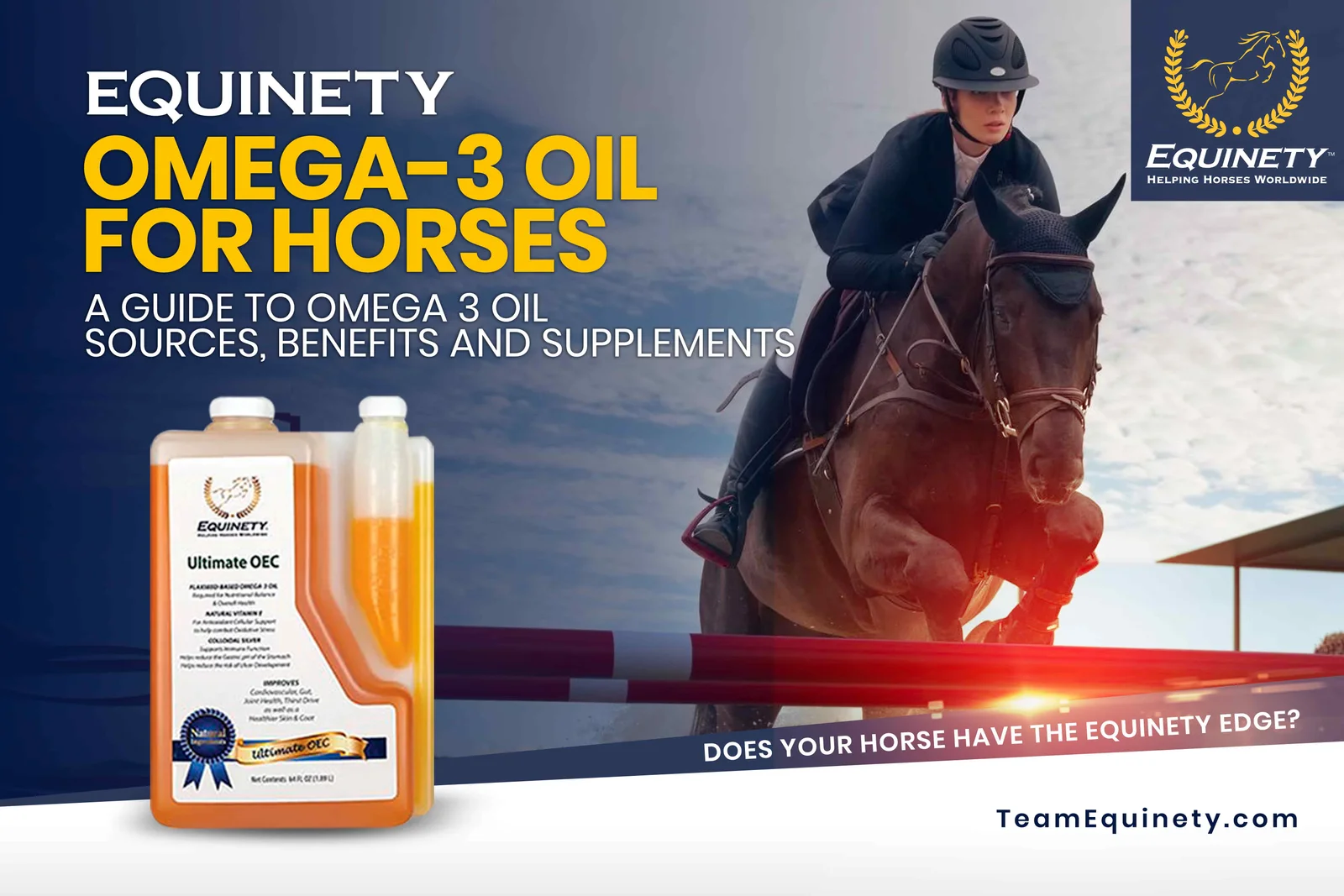
Equinety Ultimate OEC is the combination of omega 3 and omega 6 with the perfect ratio your horse may need. The omega 3 fatty acids in the supplement come from flaxseed oil, while the omega 6 fatty acids come from canola oil. The supplement also contains vitamin E and colloidal silver.

Omega 3 and omega 6 fatty acids are essential fatty acids, which means that horses cannot produce them on their own and must get them from their diet. These fatty acids play a variety of important roles in the body, including:

  • Maintaining healthy skin and coat
  • Reducing inflammation
  • Improving joint health
  • Boosting the immune system
  • Supporting heart health

Equinety Ultimate OEC works by providing horses with a concentrated source of omega-3 and omega-6 fatty acids. This can help to improve their overall health and well-being.

The ingredients in Equinety Ultimate OEC are:

  • Omega 3 Fatty Acids 23,000 mg
  • Omega 6 Fatty Acids 4,200mg
  • Eicosapentaenoic Acid (EPA) 990 mg
  • Docosahexaenoic (DHA) 660 mg
  • Vitamin E (as tocopherols) 1000 IU
  • Colloidal Silver 4.84 mg
  • Flaxseed Oil, Fish Oil (Anchovy), Natural Flavor

The supplement is available in a liquid form and is typically administered by mixing it with the horse’s feed. The recommended dosage is 1 ounce per 1,000 pounds of body weight.

Equinety Ultimate OEC is a safe and effective supplement for horses. It is important to note that the supplement should not be used in horses that are allergic to flaxseed or canola oil.


Here are some of the benefits of Equinety Ultimate OEC:

  • Improves skin and coat health
  • Reduces inflammation
  • Improves joint health
  • Boosts the immune system
  • Supports heart health

If you are considering using Equinety Ultimate OEC for your horse, it is important to talk to your veterinarian first. They can help you determine if the supplement is right for your horse and can give you specific instructions on how to administer it.


Everything you need to know about Amino acid horse supplements

What are amino acids and why are they important for horses?

You may have heard about amino acids and their importance for your equine companion. But what exactly are amino acids and why are they essential for horses? Amino acids are the building blocks of proteins, which are crucial for many bodily functions such as muscle growth and repair, immune system support, and hormone production. There are 20 different types of amino acids, 10 of which are considered essential for horses as they cannot be produced by the body and must be obtained through their diet. These essential amino acids include lysine, methionine, threonine, tryptophan, histidine, leucine, isoleucine, valine, phenylalanine, and arginine. Each of these amino acids has a specific role in maintaining your horse’s health.

As a horse owner, it’s essential to understand the importance of amino acids in your horse’s diet. Amino acids are the building blocks of proteins, which are essential for muscle development, tissue repair, and overall health. While horses can produce some amino acids on their own, others must come from their diet.


Here are the top 10 amino acids for horses that you should know about.

1. Lysine

Lysine is an essential amino acid that plays a critical role in muscle development and immune system function. Horses require a steady supply of lysine in their diet to maintain their health and well-being.

2. Methionine
Methionine is another essential amino acid that is crucial for healthy hooves, skin, and coats. It also helps with the production of keratin, which is essential for strong and healthy hair and hooves.

3. Threonine
Threonine is an essential amino acid that plays a critical role in the development and maintenance of muscle mass. It also aids in the production of antibodies, which are essential for a healthy immune system.

4. Tryptophan
Tryptophan is an essential amino acid that is necessary for the production of serotonin, a neurotransmitter that helps regulate mood and behavior. It also helps with the development and maintenance of healthy muscle tissue.

5. Arginine
Arginine is a non-essential amino acid that plays a critical role in the production of nitric oxide, which helps to regulate blood flow and improve circulation. It is also essential for healthy immune system function.

6. Histidine
Histidine is an essential amino acid that plays a crucial role in the production of red and white blood cells. It is also necessary for the production of histamine, which is essential for healthy immune system function.

7. Valine
Valine is an essential amino acid that is necessary for the development and maintenance of healthy muscle tissue. It also helps with the production of energy and the regulation of blood sugar levels.

8. Leucine
Leucine is an essential amino acid that plays a crucial role in the development and maintenance of healthy muscle tissue. It also aids in the production of energy and the regulation of blood sugar levels.

9. Isoleucine
Isoleucine is an essential amino acid that is necessary for the development and maintenance of healthy muscle tissue. It also aids in the production of energy and the regulation of blood sugar levels.

10. Phenylalanine
Phenylalanine is an essential amino acid that is necessary for the production of neurotransmitters, which are essential for healthy brain function. It also aids in the production of energy and the regulation of blood sugar levels.

In conclusion, these are the top 10 amino acids for horses that you should know about. A balanced diet that includes these amino acids in the appropriate amounts is crucial for your horse’s overall health and well-being. Consult with your veterinarian or equine nutritionist to ensure that your horse is getting the right amount of amino acids in their diet.


How to choose the right amino acid supplement for your horse?

As a horse owner, you want to ensure that your equine friend is receiving the best possible care and nutrition. One way to achieve this is by providing them with amino acid supplements. Amino acids are the building blocks of protein and are essential for the growth and repair of tissue in horses.

However, with so many amino acid supplements available on the market, it can be challenging to choose the right one for your horse. Here are some factors to consider when selecting an amino acid supplement:

1. The type of amino acids

There are two types of amino acids: essential and non-essential. Essential amino acids cannot be produced by the body and must be obtained through the diet. Non-essential amino acids can be produced by the body. Ensure that the supplement you choose contains the essential amino acids that your horse requires.

2. The quality of the ingredients

The quality of the ingredients in the supplement is crucial. Look for a supplement that contains high-quality, bioavailable ingredients that are easily absorbed by the horse’s body. Avoid supplements that contain fillers or artificial additives.

3. The form of the supplement

Amino acid supplements come in various forms, including pellets, powders, and liquids. Choose a form that is convenient for you to administer and that your horse will readily accept.

4. The dosage

The dosage of the supplement will depend on the horse’s weight, age, and activity level. Follow the manufacturer’s instructions for dosage and consult with your veterinarian if you are unsure.

5. The reputation of the manufacturer

Choose a supplement from a reputable manufacturer that has a history of producing high-quality products. Look for reviews and feedback from other horse owners to ensure that the supplement has been effective for their horses.

In conclusion, choosing the right amino acid supplement for your horse requires careful consideration. Consider the type of amino acids, quality of ingredients, form of the supplement, dosage, and reputation of the manufacturer. By taking these factors into account, you can provide your horse with the best possible care and nutrition.


What is the impact of Amino acids on horse Coat and hoof health?

One of the most important amino acids for coat health is methionine. Methionine is an essential amino acid, meaning that horses cannot produce it themselves and must obtain it from their diet. Methionine is a key component in the production of keratin, which is the protein that makes up the majority of a horse’s hair and hooves. Without sufficient methionine, horses may experience dry, brittle hair and weak, cracked hooves. Another important amino acid for coat health is lysine. Like methionine, lysine is an essential amino acid that horses must obtain from their diet. Lysine plays a key role in the production of collagen, which is a protein that gives skin and hair their elasticity. Horses that are deficient in lysine may experience dry, dull hair and skin. In addition to methionine and lysine, there are several other amino acids that play a role in maintaining a healthy coat and hooves. These include cysteine, arginine, and tyrosine.

Can I add amino acids to senior horse diets?

As horses age, their dietary needs change. Senior horses require a well-balanced diet that supports their aging bodies and helps them maintain good health. One essential component of a senior horse’s diet is amino acids.

With time senior horses’ ability to digest and absorb nutrients decreases. This can lead to a deficiency in essential amino acids, which can have negative effects on their health. For example, a deficiency in lysine, an essential amino acid, can lead to muscle wasting and a weakened immune system. To ensure that senior horses are getting the necessary amino acids in their diets, it’s important to provide them with high-quality protein sources. Good sources of protein for senior horses include alfalfa, soybean meal, and whey protein.

It’s also important to provide senior horses with a well-balanced diet that contains all of the essential amino acids. This can be achieved through the use of high-quality senior horse feed or by working with a veterinarian or equine nutritionist to develop a custom diet plan.

In conclusion, amino acids play a crucial role in the health and well-being of senior horses. Ensuring that they are getting the necessary amino acids in their diets can help them maintain muscle mass, support their immune system, and improve their overall health. By providing high-quality protein sources and a well-balanced diet, we can help our senior horses live happy, healthy lives.

The benefits of feeding horses amino acids during training and competition

As an equestrian athlete, you want to give your horse the best possible nutrition to help them perform at their peak. One area that is often overlooked is the importance of amino acids in a horse’s diet.

Amino acids are the building blocks of protein, which is essential for muscle growth and repair. When horses are in training and competition, their muscles undergo a lot of stress which can result in muscle damage. Feeding your horse amino acids can help to repair and rebuild these muscles, allowing them to recover faster and perform better.

There are two types of amino acids: essential and non-essential. Essential amino acids cannot be produced by the horse’s body and must be obtained through their diet. Non-essential amino acids can be produced by the body, but supplementing them can still be beneficial.

Some of the key benefits of feeding your horse amino acids during training and competition include:

1. Improved muscle recovery: Amino acids can help to repair and rebuild muscles that have been damaged during exercise, allowing your horse to recover faster and perform better.

2. Increased muscle mass: Amino acids are essential for muscle growth, so feeding your horse the right combination of amino acids can help them to build more muscle mass.

3. Improved performance: By supporting muscle recovery and growth, amino acids can help your horse to perform at its best during training and competition.

4. Reduced risk of injury: Strong, healthy muscles are less likely to be injured, so feeding your horse amino acids can help to reduce their risk of injury.

5. Better overall health: Amino acids are essential for many other bodily functions, such as immune system function, hormone production, and nutrient absorption. By ensuring your horse gets enough amino acids, you can help to support their overall health and well-being.

In conclusion, feeding your horse amino acids during training and competition can have a range of benefits for their muscle recovery, growth, and overall health. By working with a qualified equine nutritionist, you can ensure that your horse’s diet is properly balanced and includes the right combination of amino acids to support their athletic performance.


Why Equinety XL is important for your horse? Does Equinety have all the important amino acids a horse needs?

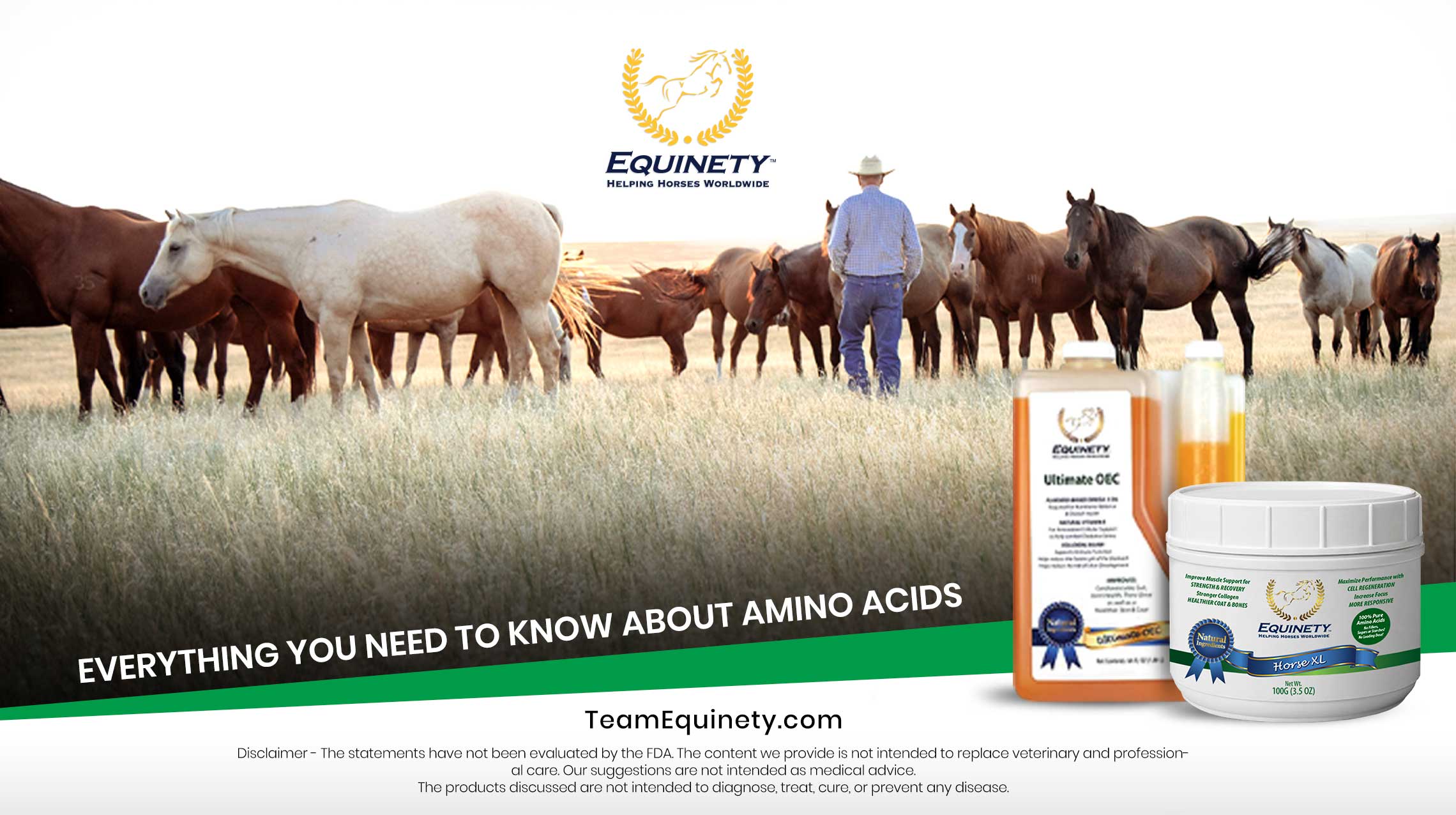
  • Yes, Equinety XL is a combination of the 8 most important amino acids that your horse needs.
  1. L-LYSINE
  2. L-ARGININE
  3. L-ORNITHINE
  4. GLYCINE
  5. L-LEUCINE
  6. L-ISOLEUCINE
  7. L-VALINE
  8. L-GLUTAMINE
  • Equinety XL is made of 100% pure Amino acids that are the building blocks of protein, essential for muscle growth and cellular repair.
  • Feeding horses Equinety XL can help repair and rebuild muscles, allowing them to recover faster and perform better.
  • Equinety XL helps horses build more muscle management and reduce the risk of injury.
  • Combination of Equinety XL and Equinety Ultimate OEC repairs and nourishes cells that helps in many bodily functions, including better immune system function, hormone production, and nutrient absorption.
  • Equinety XL and Equinety Ultimate OEC are the right combinations of amino acids to support athletic performance.


Horse Supplements


What customers think about Equinety System


Digestive Supplements for Horses (2023)

Digestive issues are common in horses. If you own a horse, you should be aware of these issues related to their digestive system. Digestive diseases have a significant impact on the overall health of Equine.

Parasites, gastric ulcer syndrome, and colic are common diseases affecting horses’ digestive systems. Pinworms, threadworms, bots, strongyles, tapeworms, and ascarids are common internal parasites that can infect horses’ digestive systems. A large amount of gastric acid is produced in horses’ stomachs, which may lead to gastric ulcers. The reason behind it is inappropriate to feed and environmental and physical stress. Colic is abdominal pain that can affect the digestive system of horses badly. Infections and inflammation are common causes of colic in horses.

Digestive supplements are given to horses so their digestive system remains healthy, and they can perform better. Improved quality and quantity of hay are also beneficial to avoid digestive problems.

Improve Digestion of Your Horse:

It is not a difficult task to improve your horse’s Digestion because you just have to follow these basic rules to keep the digestive system of your Equine healthy.

1. High-Quality Forage:

Supply of high-quality forage to your Equine is the best way of improving its Digestion because it will neutralize the production of acid in the horse’s stomach. Hay or pasture grass helps improve the horse’s digestion system because they contain large amounts of insoluble fiber.

2. Decrease Grain Consumption:

Grains are high in starch, so limit the grain consumption of your Equine as they can lead to digestive diseases like colic, digestive upset, and diarrhea. Grain consumption can also be the reason for inflammation. Grains are easily chewable, so the horse’s digestive system starts producing acid in the stomach that cannot neutralize, resulting in different digestion issues.

3. Gradual Changes in Feed:

A horse’s digestive system does not accept rapid changes in the feed. We to gradually change its feed because it will decrease the risk of colic due to digestive upset. A horse’s digestive system requires time to adapt to the changes in feed.

4. Provide a Stress-Free Environment:

Horses are emotionally attached to their environment, so that stress can cause digestive difficulties. It can lead to ulcers and other digestive diseases in horses. So we strongly advise providing a stress-free natural environment to your Equine to improve their Digestion.

5. Frequent Feeding:

Wild horses rarely suffer from digestive diseases because they spend most of their time grazing and foraging. The digestive system of horses needs frequent feeding. Otherwise, their stomach starts producing acid that can neutralize only with the help of feed. Most of the time, provide plenty of hay and pasture grass to improve horses’ Digestion.

Benefits of Equine Digestion Support:

You can ensure equine digestion support with the help of using a natural supplement. Digestive supplements are the best way to improve the Digestion of horses because they contain the necessary amount of fiber, protein, minerals, and vitamins. Digestive supplements help horses prevent ulcers, colic, and other Digestion-related diseases. You should add a natural supplement in the feed of the horse for improvement in Digestion and overall health of the horse.

Best Digestive Supplements for Horses:

It is essential to choose the best digestive supplement for horses because they not only improve digestion and nutrient absorption but are also beneficial for horses’ comfort, performance, and immune system. You can use the following digestive supplements for your Equine.

Equinety Horse XL is a natural product that supports horses’ digestive systems and overall health. It contains 100% natural amino acids that move into the intestines of horses and buffer the stomach acid. Horses cannot create amino acids independently, so providing them to your Equine is essential.

This product does not contain sugar, soy, or starches, so the digestive system of your Equine will remain healthy and effective. It will not help improve the Digestion of Equine, but its performance will also maximize cell regeneration. This product comes in a 600g container and is also very economical.

Equinety Ultimate OEC is another beneficial product that supports the gastric health of Equine. It boosts the horse’s immune system and enables it to digest food easily. It contains omega-3 fatty acids in it that are helpful in neutralizing stomach acid and prevents from stomach ulcers. This product includes Colloidal silver and vitamin E that will support the digestive health of Equine.

You can combine Equinety Horse XL and Equinety Ultimate OEC to make a powerful natural supplement for your Equine. It will help overcome many digestion problems and support the horse’s overall health. Both products contain natural ingredients, so adding them to the horse’s feed will maximize your horse’s performance. It is also cost-effective formula, which is why it is the best natural supplement for Equine.

Symptoms of poor Horse Digestion:

The following are the significant symptoms of poor horse digestion.

  • Gastric ulcers
  • Diarrhea
  • Constipation
  • Abdominal sensitivity
  • Colic
  • Poor coat or skin quality
  • Bad hoof growth
  • Reduction in weight of Equine or poor body condition
  • Intolerance to exercise
  • Poor appetite
  • Sweating
  • Increased breath rate
  • Stomach kicking and irritation
  • Pawing on the ground
  • Lip curling
Causes of Equine's Poor Digestion:

It is imperative to know about the causes of Equine’s poor Digestion. You can boost the digestion system of your horse after knowing about the causes. The following are the leading causes of poor Digestion in Equines.

  • Bad Quality Feed:

Providing substandard or bad quality hay to your Equine will not digest easily, and the horse’s stomach will suffer badly. Feeding high starch grains or rapid change in Equine’s feed is also contributing to poor Digestion of Equine.

  • Fasting:

A horse’s digestive system requires frequent feeding. If the stomach of your Equine remains empty for much time, it will start producing acid that can only buffer with the help of feed. Fasting is another cause of poor Digestion in Equines.

  • Stress:

Horses are too attached to their environment. If they live in a stressed environment, they cannot fulfill their nutrition requirements properly. It will result in a poor digestive system and other health-related issues.

  • Exercise:

Too much exercise and rest are dangerous for the horse’s digestive system because they have to digest their feed correctly with the help of moderate exercise. Too much exercise will create a stressful environment for them, leading to digestion problems.

Related Guides for You:

Conclusion

Digestive health is essential for Equine because their body requires frequent feeding to perform different tasks. You must provide the best quality feed to your Equine to support their digestive health.

Natural digestive supplements are the best way to ensure improved Digestion of the Equine. So you can go for Equinety Horse XL and Equinety Ultimate OEC to make the best natural supplement for your Equine. This supplement will ensure the proper functioning of the horse’s digestive system and maximize the Equine’s performance by improving its overall health.


How to Boost Horse Immune System Naturally (2023)

The robust immune system of horses is much essential to protect them from outside invaders like parasites, viruses, or bacteria that may lead to different infections and diseases. The immune system of horses is naturally strong, but there are a few factors that are capable of making them weak. Stress, age, and nutrition are closely related to the strength of the equine immune system.

Deficiency in prime minerals and vitamins is associated with a poor diet in horses that may result in a suppressed immune system and enhances the risk of catching the disease. If your horse is living in a stressful environment where it has to go through excessive exercises or work, it will also weaken its immune system. Similarly, after attaining the age of 20, horses have to face a decline in their body condition, and it is due to a weak immune system.

Most horse owners try to add supplements and herbs to their nutrition to boost their immune systems.

Protein and amino acids have a vital role in the nutrition of horses to keep their immune system strong. Besides them, a few herbs are also essential to boost Equine’s immune system and combat skin infections and diseases.

Herbs to Improve Horse Immune System:

The relationship between horses and humans has been since ancient times, and herbs can improve horses’ immune systems. Herbs are the best way to protect your Equine from infections and illness by providing natural immunity. Following are a few best herbs that will enhance your horse’s immune system.

1. Aloe Vera:

Aloe Vera is one of the best herbs used by most horse owners to boost the immune system of their Equine. It contains chemicals that have antibacterial and antioxidant properties, hence capable of fighting different diseases by improving the immune system. Aloe can also support a healthy immune system and maintain natural energy levels in horses.

2. Garlic:

Garlic has many horse health-related benefits as it acts as anti-viral, antibacterial, and anti-parasitic properties. It is an excellent herb to improve the immune system of your Equine, but a moderate quantity of garlic can keep your horse safe from any adverse effects.

3. Kelp:

Kelp contains high antioxidants that protect the cells of horses from radicals. It is also enriched in potassium, calcium, and magnesium to improve the immune function of Equine. If you want to improve your horse’s immune system, add this herb to its nutrition.

4. Flaxseed:

Flaxseed is another beneficial herb for Equines as it contains a high quantity of protein. Your horse will get essential fatty acids and a maximum energy level that will improve immunity.

Symptoms of Low Immune System in Equine:

Few symptoms will help you recognize your Equine’s weak or low immune system.

1. Focus Distraction:

If your horse cannot pay attention, it may be due to distraction in its focus. Your Equine may fight different bacteria and diseases that weaken its immune system, resulting in lousy focus.

2. Digestive Issues:

Digestive issues in horses are mainly due to weak immune systems. A horse is supposed to feed frequently, but if your horse is showing low appetite or going through nausea or diarrhea due to digestive issues, it is more likely that its immune system is not functioning correctly.

3. Frequent infections:

If your Equine is facing several infections in a year, there are more chances that the horse’s immune system is low. The horse’s body lacks antibodies, and infections are more attractive to it.

Top Supplements to Boost Horse Immune System:

Supplements containing vitamins, minerals, lysine, zinc, omega 3, and antioxidants are best to boost the horse’s immune system. If you are looking for the best formula for your Equine to boost its immune system, then you should go for the below-mentioned supplement.

Equniety Horse XL and Equinety Ultimate OEC:

Equinety Horse XL and Equinety Ultimate OEC are two different products that can combine to make the most powerful supplement for your horse. This supplement will boost the immune system, and your Equine will get all the necessary ingredients that are best for its health and performance.

Equniety Horse XL is a natural supplement based on 100% pure amino acids necessary to support the horse’s immune system. L -arginine amino acid is also available in this product, which is ideal for protecting the immune system and muscle growth in horses.

If your horse faces a performance deficiency, Equinety Horse XL will boost its immune system through cell regeneration.

Equniety Ultimate OEC supports the immune system with natural vitamin E, colloidal silver, and omega-3 oil. It will also improve your horse’s gastric health because it has a powerful antioxidant and antibacterial formula to stimulate your Equine’s immune and nerve function.

FAQ:

1. What nutrients can help boost a horse’s immune system?

Omega 3 fatty acids, vitamins, minerals, amino acids, zinc, lysine, vitamin E, and colloidal silver are essential nutrients capable of boosting a horse’s immune system. Supplying all these nutrients in a horse’s natural diet is impossible. So a natural supplement is recommended to provide all necessary nutrients to your Equine.

You can go for Equinety Horse XL to provide all nutrients in the horse’s diet, and it is also an economical option. For best results, we recommend you add Equniety Ultimate OEC to the nutrition of horses for a solid and impressive immune system.

2. What are the Causes of the Low Immune System in Horses?

Aging, virus diseases, stress, tumors, and nutritional deficiency are the leading causes of the low immune system in horses. The immune system’s role is vital in a horse’s body to perform its day-to-day activities and fight against different diseases and bacteria.

Sudden changes in the horse’s environment, excessive exercise, and lack of protein in the horse’s diet will adversely affect the horse’s immune system.

3. Do herbs and Supplements work to Enhance the Equine immune system?

We cannot deny the role of herbs and supplements in the enhancement of the immune system of Equine. Herbs with antioxidant effects like Garlic, Aloe Vera, Cranberry, ginger, and kelps are ideal for boosting the immune system of horses.

Supplements also contain zinc, lysine, amino acids, Vitamin E, proteins, and other necessary ingredients that are important for the nutrition of horses. A natural supplement like Equinety Horse XL is very beneficial in boosting the immune system of the horse. We recommend providing this supplement to your horse’s diet to strengthen your horse’s immune system.

Related Guides for You: