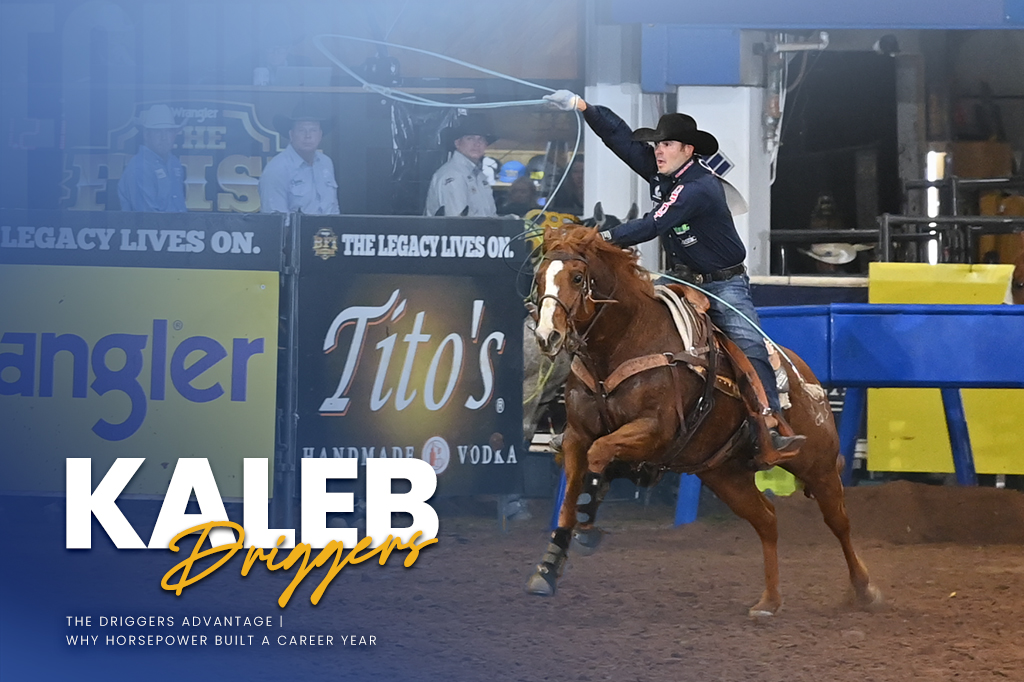
The Driggers Advantage: Why Horsepower Built a Career Year

Kaleb Driggers is having a career year. Maybe a once-in-a-lifetime year. And that’s saying a lot considering he already has a couple of gold buckles. 

This season, the 35-year-old Georgia native won his second straight BFI (with Junior Nogueira) for $127,000, his second straight Lone Star Shootout (with Nicky Northcott) for $31,000 and a Hart trailer, and the second-coming-of-the-George-Strait – The CoJo (with Jade Corkill) – for $36,000 plus a new truck and trailer. That was just jackpotting. 

Rodeoing, he earned $100,000 for victory at Teton Ridge’s The American for the record fifth time and $22,000 at the PRCA’s Governor’s Cup (both with Nogueira), plus a cool $20,500 for skipping the AQHA World Show to go win the Hondo Rodeo (with Paul Eaves). Add that to his futurity earnings – including his reserve ARHFA Heading title on his own mare for $19,744 – and conservative estimates have his 2025 money at more than $925,000.

Also, it’s not a bad year personally, considering Kaleb and Nicole are expecting a baby girl in May to join their 17-month-old son. 

“It’s nonstop,” he said. “When I get to take my family with me, it’s extra special.”

For a team roper to have a chance to break $1 million in a single year is very, very real in 2025. After all, Driggers earned exactly $117,310 at the NFR last year. It’s a bit mind-blowing. 

2025 COJO Champs | Andersen CbarC Photo

But so is Driggers’ penchant for getting on the best horses – and taking great care of them. What’s more, it seems like half the Top 15 headers in the world have sourced horses through Driggers. He’s the rare rodeo star who delved deep into the horse business, from breeding and training to winning on and selling horses – or buying them back.

For instance, Driggers won the Hondo Rodeo in Phoenix on Frosty. That’s the horse he sold Riley Minor (the same one he rode to win The CoJo) and wanted back in his arsenal. Let’s take a look at all of Driggers’ weapons.

“Colt 45 is the horse I ride at the NFR and over a lot of short scores,” he said. “He was my No. 1 for most of last summer. And I was able to buy Frosty back, that I rode toward the end of the year at outdoor rodeos. He’s kind of taken the role as my summer horse, and 45 is more my winter and NFR horse, now. Oliver is my jackpot horse and the one I ride at places like Cheyenne, Salinas and Prescott.

Blowin In Time & Driggers | TRJ File Photo

But Driggers also owns two powerhouse mares in 5-year-old Blowin In Time (“Chyna”) – the reserve champion head horse at the 2025 ARHFA World Championship Futurity – and 9-year-old Fine Vintage Cash (“Crystal”). She’s still Driggers’ go-to heel horse, and the winningest futurity mare of 2023 that recently made the finals at the ’25 AQHA World Show.

“Going into the 2026 futurities, we still have Chyna, and I still have 4-year-old Miss Taxi Fare, that Justin Hughes just bought,” he said. “She’s by Cole Davison’s stud BR Golden Leader out of the same dam as Crystal, and probably won at least $50,000 as a 4-year-old, so I’m excited for her future.” 

Driggers will also campaign Hughes’ half-sibling in 5-year-old BR Call A Uber, a horse that Driggers won more than $80,000 on at this year’s futurities, including a third-place check at the ARHFA World.

“Not just my horses, but all the horses that I ride for people are under our care, between myself and Cole,” said Driggers.

Because he wants every edge, and wants his horses feeling good, Driggers has his own Bemer and his wife has a PEMF machine that helps the horses feel great.

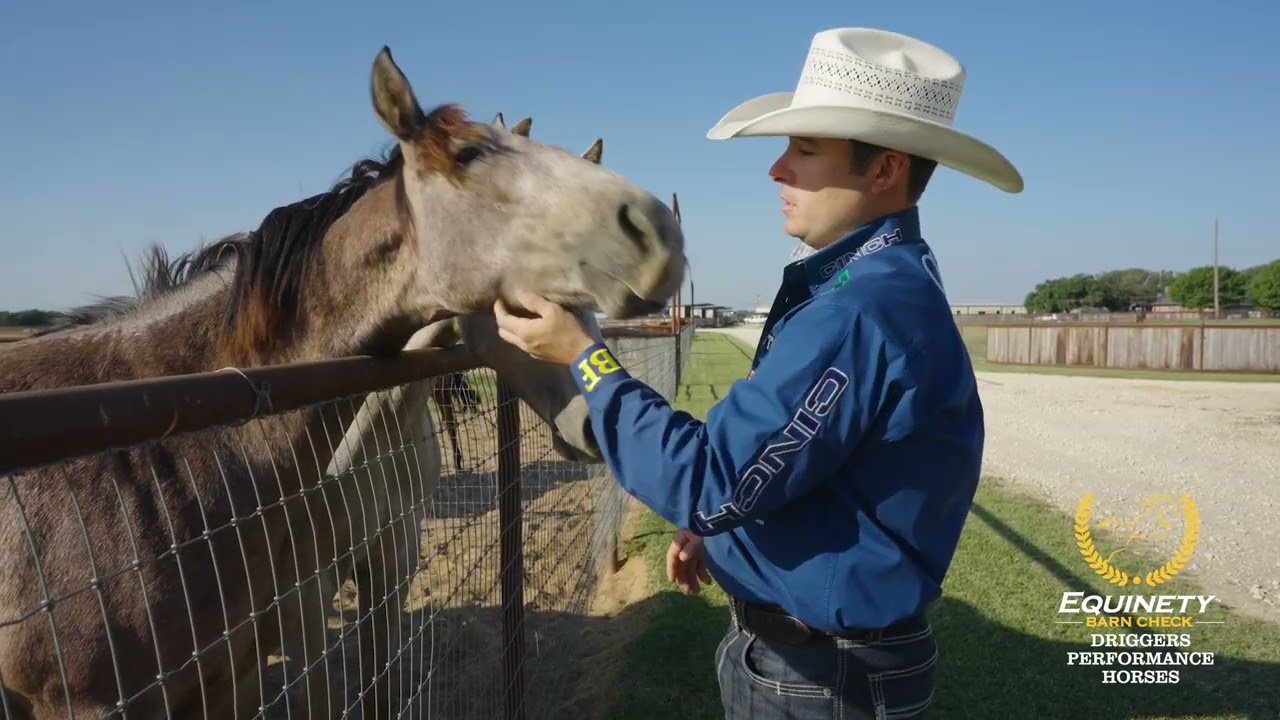
“I’m a little bit of a Buddy Barrel Racer when it comes to taking care of my horses,” said Driggers. “They’re such an important part of what I do, whether it’s a futurity or a rodeo or a jackpot. If my horse is feeling his best, he’ll give me his best, and that gives me a slight advantage over the rest of the field.”

Supplements are another way Driggers keeps his equine partners feeling great, and he has one that works great no matter their ages.

“My rodeo horses are older and more apt to work with minor aches and pains, whereas the younger futurity horses will tell you about a problem a lot sooner,” he said. “That’s why it’s been so important to me to use Equinety. My old rodeo horse that I retired – I could tell within four days if he was not on Equinety, and I then I could tell the difference in just a day’s time when he was back on it. He was just so much more sound and alert and ready to do his job.”

Cuervo—Remis Gays On Ofadoc—is the horse that got Driggers back-to-back gold buckles in 2021–2022 | Jamie Arviso Photo

As for the 4- and 5-year-olds, they get plenty of strain too, and for them to be “able to bounce back” is super important to Driggers.

“Having that product on my team is a big deal,” he said. “Chyna got a little sore last summer, so she had a few months off and that product helped us get her right back at work at the ARHFA World in Amarillo. I was using Equinety before I was ever an ambassador for it, because it works and allows me to do my job.”

Driggers uses both the Equinety Ultimate OEC anti-inflammatory oil and Equinety Horse XL amino acid powder on every horse.

“I noticed a big change,” he said. “I also started feeding Unbeetable Feeds because it has no sugar. That allowed those futurity horses to be able to get all the nutrients they need to be able to work at the pinnacle of the sport – but also stay more calm. As far as my rodeo horses, it keeps their digestive track cleaner. Since I’ve been on that supplement and this feed, I haven’t had anything colic.”

In mid-October, Driggers was still looking to the Jingle Bell Classic to pad his impressive 2025 earnings. And, while he was in Phoenix, his dad was busy setting up an NFR arena at his home. So, so that’s where Driggers will be come late November – practicing for that little rodeo in Las Vegas. Finally, he’ll stop in Arizona for a few jackpots on his way to gun for a third gold buckle. 
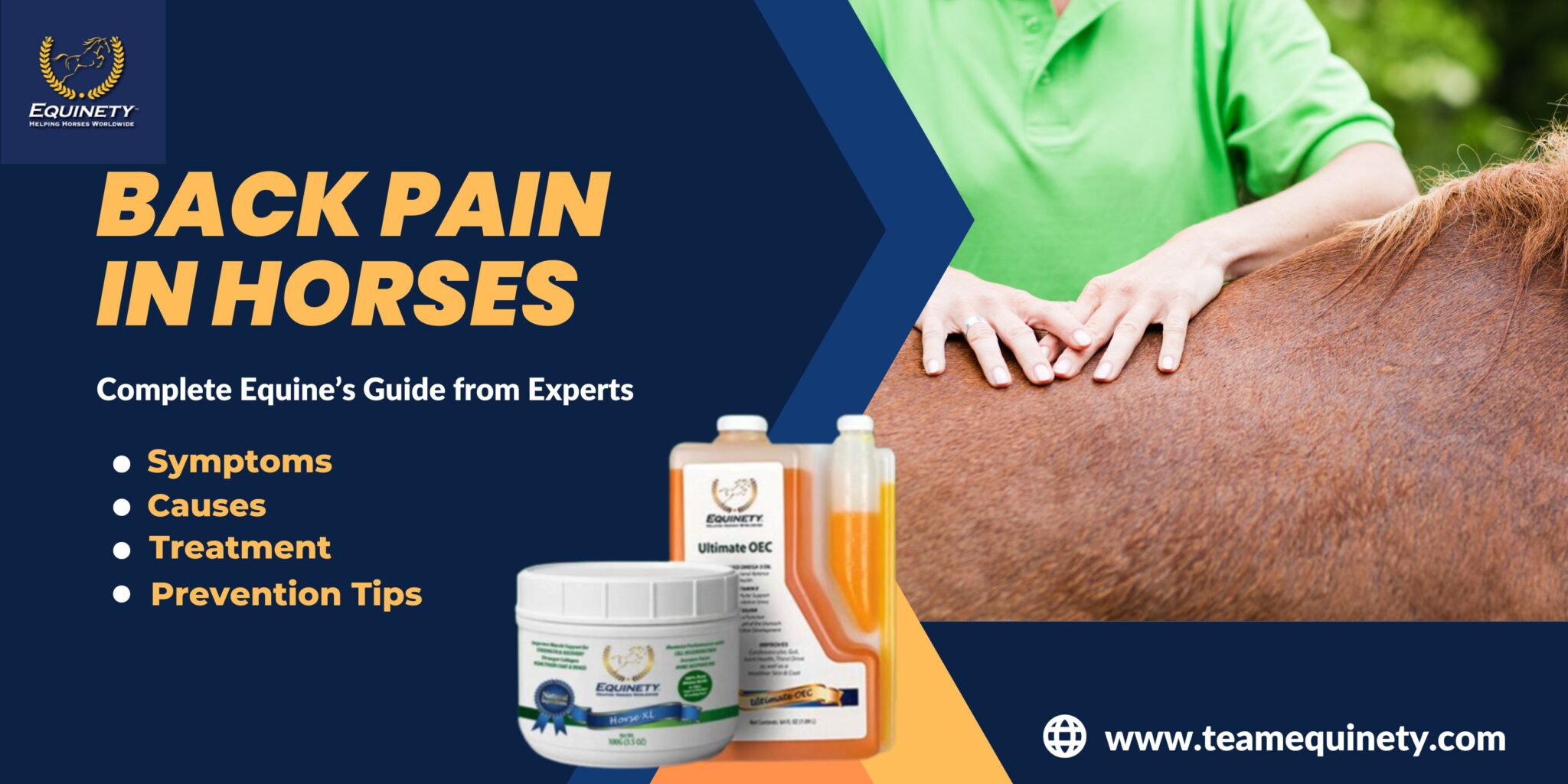
Back Pain in Horses: Symptoms, Causes, Treatment, Prevention Tips

Back pain is one of the common health issues that a horse can face at any age. The back of the horse comprises the complex structure of tendons, muscles, cartilage, ligaments, and bones, so that you can feel any discomfort or pain in the back of the horse can be felt on all these body parts.

A horse suffering from back pain will be unable to perform daily tasks, and its performance will be affected badly. Being a horse owner, you must know about symptoms, causes, treatment, and preventive measures regarding back pain in horses.

Symptoms of Backpain in Equine:

It is not an easy task to diagnose back pain in horses as they cannot tell us where they are hurting, so you must be aware of common notable signs and symptoms.

  • Lameness:

Lameness is one of the visible symptoms of back pain in horses, so if a horse exhibits an uneven gait or shows reluctance in movement, especially while riding, it may be due to back pain.

  • Restricted Movement:

Back pain leads to difficulty in movement and exercise. So, if your equine is unable to move normally, then it is another sign of pain in the back.

  • Behavioral Problems:

With the help of behavioral clues, you can quickly diagnose back pain in horses. If the horse is not responsive to your aids while riding or cannot concentrate, these behavioral changes can be due to back pain. Your equine may arch his back and frequently look at his back with the development of annoying habits during rides in this condition.

  • Pain and Tenderness:

You can guess the back pain of a horse by gently palpating the back. It may twitch, flinch, or react when pressure is applied to specific areas at the back.

  • Reduced Performance:

A horse that struggles while performing different tasks in which they excel, like racing, dressage, or jumping, can be a victim of back pain.

Causes for Backpain in Horse:

Many factors can cause back pain in equine, so a few are below.

  • Injury:

Trauma to the back, such as accident, fall, or sudden jolts, is responsible for causing back pain in horses.

  • Arthritis:

Horses develop arthritis in the spine with aging, which causes pain and stiffness, which can be another cause of back pain.

  • Dental Problems:

Dental issues also lead to poor appetite by affecting the eating ability of horses, thus leading to back pain due to an altered posture.

  • Overwork:

Overwork, especially excessive exercise on hard surfaces, can strain the back muscles and lead to pain.

  • Inadequate Warm-Up and Cool Down Time:

If you are not providing adequate warm-up and cool-down time to your equine before and after exercise, it will badly affect the back muscles and result in discomfort and pain.

  • Improper Fitted Tack:

Weight can be distributed evenly only when the tack is fitted correctly. So, improper fitting of saddles or bridles can create pressure points and cause back pain.

1. How to Treat Back Pain in Horse?

In many cases, you can treat back pain quickly by following a few easy steps. So, if your equine is also facing back pain, then you may go for any of the below-mentioned options.

2. Saddle Fitting:

Proper saddle fitting is essential to treat back pain in horses, so consult a professional saddle fitter to prevent future back pain.

3. Change in Exercise:

Modify the exercise routine of your equine so that they don’t overwork, and then gradually reintroduce them to work when they recover from back pain.

4. Rest and Rehabilitation:

Excessive exercise and overwork are among the leading causes of back pain in equine, so proper rest is essential for the recovery of horses. Physical therapy and massage are some unique rehabilitation techniques that will help the horse regain its strength and performance.

5. Consult with a Vet:

A qualified Vet can diagnose and devise the best treatment for a horse with back pain. The vet will adequately examine the issue and use proper medication or other techniques for treatment.

Prevention Tips to Avoid Backpain and Fractures:

By following these prevention tips, your equine can prevent back pain and fractures.

1. Balanced Diet:

The equine diet prevents back pain and fractures, so you must include vitamins and minerals in the horse’s feed. Natural supplements are the best way of providing all the necessary ingredients that the body of a horse requires so that you can follow natural supplements.

Equinety Horse XL is one of the most amazing natural products for horses that improve muscle support for strength and recovery. You can maximize the performance of horses with cell generation with the help of this product. It will provide the necessary support to the bones of the equine, and it will be able to prevent back pain and fractures. 100% natural amino acids are added in this product, so without any fillers, soy, and sugar, the body of a horse will get what it requires for its best physical health.

Equinety Ultimate OEC is another magical product that supports joint health, healthier coats, and equine skin. It also promotes gastric health and can have a more significant impact on the back pain of horses. This natural product contains flaxseed-based omega-3 oil, colloidal silver, and natural vitamin E. If you combine this product with Equinety Horse XL, then your horse will get a perfect natural supplement. This supplement will ensure the overall health of your equine and prevent any kind of back pain.

4. Easing into Exercise:

An intense workload or exercise is quite dangerous for the well-being of horses. Slowly introduce your equine to work and remember only to ask it to complete the convenient task. Start with low and light exercises to build a routine and gradually increase the exercise or work intervals.

5. Proper Rest:

Allow your horse to rest well to help recover muscles and prevent fractures.

6. Quality Tack:

Invest in quality tack that can distribute weight evenly and minimize pressure points.

7. Dental Checkups:

Dental issues also contribute to back pain in equine, so regular dental checkups will help prevent back pain.

Exercises for Horses with Sore Backs:

Exercise and rehabilitation process play a vital role in the recovery of horses with sore backs, so go for these exercises that will be beneficial for your equine.

1. Ground Work:

Long lining and lunging are groundwork exercises that will help the equine strengthen core muscles and improve balance, so they are best for horses with sore backs.

2. Stretching:

You can reduce muscle tension and increase flexibility with the help of gentle stretches. Pelvic tilts, lateral flexion, and neck stretch benefit horses with sore backs.

3. Massage and Physical Therapy:

Physical therapy and professional massage will help your equine in relieving back pain and promote the process of healing.

4. Walking Up and Down Hills:

Walking up and down hills is another best stretching exercise to improve the muscles of the back and hindquarters. Start with gentle and short hills and gradually increase the steepness and length for the most effective treatment.

FAQs:

Can ulcers cause back pain in horses?

Yes, ulcers cause back pain in horses quickly because it can cause muscle spasms in the hindquarters and back.

What is lumbar back pain in horses?

Discomfort or pain in the lower back region is lumber back pain that can be the result of various factors like trauma, overuse, muscle imbalances, and underlying conditions.

Expert’s Equine Guides for You:

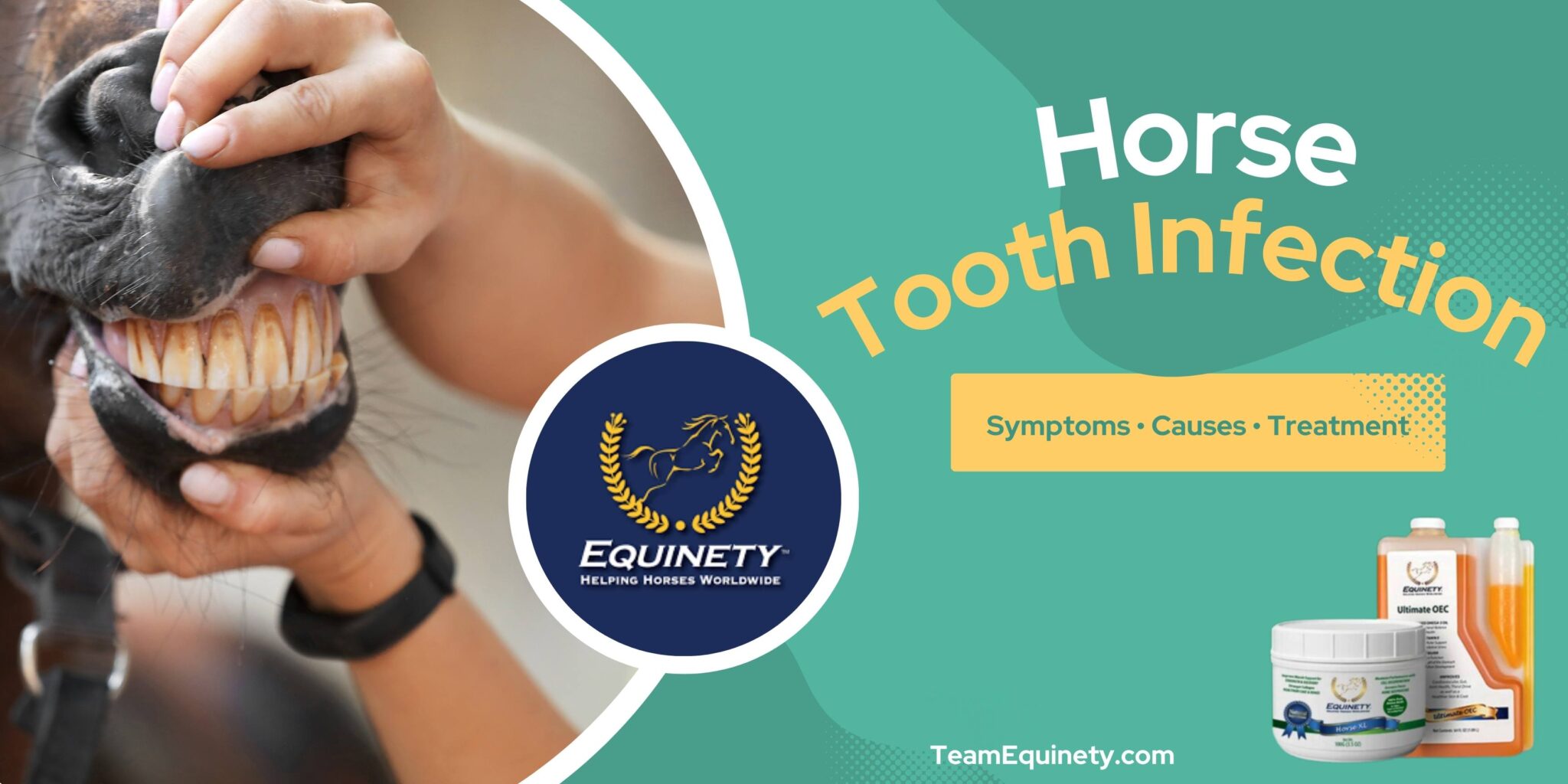
Horse Tooth Infection: Signs, Causes, Treatment, Prevention (Full Guide)

Horses are herbivores as they eat plants. They need to have strong teeth; otherwise, they will not be able to eat correctly, affecting their overall health. Equine dental infections can be painful as these infections primarily infect the teeth and mouth of horses. If these infections are left untreated, then they can cause serious health issues.

If your horse is facing any teeth issues, then you must be aware of the signs of tooth infections as it will help you to understand how to prevent and treat them effectively.

Signs of Horse Tooth Infections:

For early intervention, it is essential to understand the signs of horse tooth infections. So here, you will learn about common indicators of such disorders.

  • Dental Pain:

A horse facing any kind of teeth infection will experience pain while eating, especially when biting or chewing. If your equine is eating slowly or dropping partially nibbled food, then it is an indicator of discomfort caused by dental pain.

  • Weight Loss:

Dental pain caused by tooth infections will lead to less food intake and weight loss over time, so if your horse is facing unexplained weight loss, you must check for tooth issues.

  • Head Tilting:

Horses start tilting their heads or shaking them to alleviate the pain in teeth caused by infection. Head shaking or tilting can also be due to different reasons, but if you are also feeling symptoms of difficulty in eating or chewing, then it can be due to a tooth infection.

  • Fever:

Dental infections lead to discomfort in horses, and their bodies struggle against the pain. Most of the horses who are suffering from tooth infections also experience fever.

  • Excessive Salivation:

Excessive salivation or drooling, accompanied mainly by lousy breath, is another sign of discomfort in the mouth that may be caused by infection in teeth.

  • Swelling:

In severe tooth infection, a horse may experience swelling around the nose, face, and jaw. In such conditions, smelling discharge from the mouth or nostrils may occur frequently.

Causes of Tooth Infections in Horses:

If we talk about the causes of tooth infections in horses, then the following are a few common causes.

1. Trauma:

If we talk about the most common causes of tooth infections in horses, then trauma is one of them. A horse can experience trauma while chewing a hard object, for example, a fence post or a stone. When a hard thing hits the mouth of the horse, it can affect the teeth badly and lead to tooth infection.

2. Aging:

Aging is another contributory factor in horse tooth infections. As horse age increases, their teeth become worn down, and they start experiencing different dental issues and tooth infections.

3. Tartar:

Tartar can develop quickly on the teeth of horses, and if it is not treated well on time, then it can contribute to tooth infections.

4. Misalignment of Teeth:

This condition of teeth is known as dental malocclusion, where the teeth of a horse do not meet appropriately while chewing food. It can create sharp points and uneven wear that leads to tooth infection in equine.

5. Food particles:

Food particles between the teeth of the equine are also dangerous and create a favorable condition for infections.

Treatment of Tooth Infections:

Treatment of tooth infections in horses varied depending upon the severity and location of illness. Here are some standard treatment options:

  • Tooth Extraction:

If the infection in the tooth is of severe condition, then it may need to be extracted if you can’t save it. A tooth extraction should be the last option, but sometimes, it is necessary to prevent further spread of infection.

  • Pain Management:

During the healing process, it is necessary to go for pain management medications such as anti-inflammatory medicine.

  • Antibiotics:

A vet can suggest any antibiotic to treat secondary infections because they are suitable for preventing diseases in the teeth of the equine.

  • Nutritional Support:

You also have to adjust the diet of horses, which can aid in recovery and prevent future dental issues. It would be best if you adopted such a diet plan that contains the necessary nutrients for healthy teeth.

  • Dental Floating:

For correction of misalignment of teeth, you can adopt dental floating, where a veterinarian uses specialized tools to balance the sharp points and uneven surfaces on the teeth of a horse. It is necessary and helpful in correcting malocclusion, that can minimize the risk of infection in the future.

Prevention of Horse Tooth Infections:

Prevention is always the most effective and less costly than treatment of infections in the tooth of the horse. A few preventive measures explained below can help the horse owners to take for the better dental health of their equine.

1. Regular Dental Checkups:

Regular dental checkups are the best preventive measure for tooth infections in the horse because they will help address any dental issue before it becomes severe. You must consult with a qualified veterinarian for dental checkups of your equine after regular intervals.

2. Monitor Dental Health:

Closely observe the dental health of your equine and look for any signs of discomfort in the mouth. Early detection is quite beneficial as it can make a significant difference in the treatment outcome.

3. Age Appropriate Care:

The dental needs of a horse change with age, so ensure the age-appropriate care of teeth of young, adult, and senior horses.

4. Balanced Diet:

A balanced diet is one of the most important preventive measures for tooth infections in equine. Go for such a diet that contains the necessary amount of vitamins, minerals, and amino acids, as it will ensure not only dental health but the overall health of the equine.

5. Inclusion of Natural Supplements in Diet:

Natural supplements are the best way of ensuring the desired health of the horse, so if we talk about dental infections, then you can also eliminate the risk of them by including natural supplements in the diet of your equine.

Equinety Horse XL and Equinety Ultimate OEC:

Equinety Horse XL and Equinety Ultimate OEC are two unique products that can combine to make the best natural supplement for your equine. This supplement will help your horse in preventing tooth infections. These products contain vitamins, minerals, amino acids, colloidal silver, and other necessary ingredients for the best teeth health. These supplements will help maintain healthy teeth and help in proper chewing and digestion.

Expert’s Equine Guides for You:

Horse Pelvis Out of Alignment: Symptoms, Causes, Treatment and Prevention

A horse pelvis is a complex structure that connects the hindquarters to the spine. It comprises three bones: the Ilium, the Pubis, and the Ischium. The Pelvis of the horse is designed to support the internal organs, and it has a significant role in the movement of the equine.

When the Pelvis of a horse is misaligned, it can lead to many performance and health-related issues. It is essential to ensure the pelvis health of a horse for its overall health and smooth functioning.

Functions of Horse Pelvis:

The horse pelvis performs a variety of functions that include:

  • Movement:

The Pelvis helps horses in mobility by allowing the coordinated movement of hind limbs, which is essential for work and athletic activities.

  • Weight Support:

The Pelvis supports the weight of the horse and rider, and it also distributes evenly to the legs.

  • Protection of Internal Organs:

The Pelvis is also supposed to protect vital internal organs, such as the digestive and reproductive systems, for the smooth functioning of the equine body.

Horse Hip Injury and Hip Disorders:

Horse hip injury and hip disorders are responsible for the misalignment of the Pelvis. The hip and Pelvis of a horse play an essential role in the movement, and any injury or illness in such areas can lead to pelvis-related issues.

Any hip injury or disorder leads to compensatory changes in the movement of the equine and its posture. These changes can affect the alignment of the Pelvis, so early diagnosis, appropriate treatment, and proper rehabilitation are crucial for overcoming any damages caused to the Pelvis of a horse due to hip injury or disorder.

Symptoms of Misaligned Pelvis:

Symptoms of misaligned Pelvis vary according to the severity of the condition, but the following are a few common symptoms:

1. Lameness:

A horse that is facing any kind of misaligned Pelvis will experience lameness. It is also reluctant to bear weight on one or both hind limbs. It creates a painful situation for the horse during movement.

2. Performance Issues:

If you are experiencing a sudden decrease in the performance of your horse, like a decrease in speed or agility, then it may be due to Pelvis. A horse suffering from a misaligned Pelvis will not be able to perform its routine tasks like an average horse.

3. Pain and Discomfort:

A horse with a misaligned Pelvis will show signs of pain and discomfort in the hip region when palpated. It will also feel difficulty in warming up and show reluctance to move freely.

4. Behavioral Changes:

Behavioral changes in the equine can also cause a misaligned pelvis, which may become irritated or aggressive because of discomfort. If you are horse is showing any sign of behavioral changes, then you should be worried about any pelvis disorder.

5. Difficulty in Turning:

Difficulty turning or backing up is another visible symptom of a misaligned pelvis because the hip region feels pain during the sharp turning of the horse. The altered posture that includes a raised or dropped hip due to the Pelvis also makes it difficult for the horse to turn quickly.

6. Stiffness:

A horse with a misaligned pelvis experiences reduced flexibility in hind limbs, showing reluctance in lateral movements.

Causes of Misaligned Horse Pelvis:

Horse pelvis can be misaligned due to different factors, so if we talk about common causes, they are following.

1. Injury or Trauma:

Injury or trauma can lead to a horse’s Pelvis being out of alignment, such as a kick, traumatic fall, accident, or collision. If the hip region of the horse is affected, then it can lead to misalignment of the Pelvis.

2. Excessive Exercise:

Horses are vital as they are trained to do complex tasks. But at the same time, excessive workload and exercise are also quite dangerous for them. Overexertion or excessive exercise can contribute to misalignment of the Pelvis over time.

3. Muscular Imbalance:

Muscular imbalances affect the health of the equine badly, and these imbalances often occur due to one-sided training, which can result in pelvis misalignment. Poor saddle fit causes discomfort and disrupts the alignment of the Pelvis.

4. Joint Diseases:

Any degenerative joint disease can cause misalignment in the Pelvis of the horse. Osteoarthritis is one of the common joint diseases that can lead to pelvis disorder. It causes inflammation, cartilage damage, and bone changes, so monitor the collective health of your equine closely.

5. Hoof Problems:

The hoof of a horse works as the foundation of its entire body, and when a horse experiences lameness, improper trimming, improper trimming, or uneven wear, it affects the hooves badly. These hoof problems place strain on muscles that are connected to support the Pelvis and result in its misalignment.

6. Unfitted Tack:

If the saddle, girth, or other equipment is not adjusted correctly on the horse’s body, they create pressure on the shoulders and back of a horse. Over time, these issues become severe and result in a misaligned pelvis.

Treatment of Misaligned Pelvis:

Treatment of a misaligned pelvis of the horse is a combination of different factors, so for effective treatment, you can consider the following points.

  • Consult with a Veterinarian:

Misalignment of the Pelvis is quite a painful condition for horses. If it is not treated at early stages, it can lead to severe consequences. If your horse is experiencing such a condition, then you must consult with a qualified veterinarian. With the help of physical examination and imaging techniques like X-rays, the Vet can assess the extent of misalignment and the device’s best remedies.

  • Pain Management:

Pain management through medication is necessary to keep the horse comfortable, which will help in the proper treatment of the Pelvis.

  • Physical Therapy:

Physical therapy, like a tailored exercise program, can help strengthen the pelvic muscles and improve balance. Electric stimulation and ultrasound also aid in muscle recovery of the hip region.

  • Rest:

A horse that is suffering from pelvic disorder will feel pain and discomfort, especially at the time of movement. It is necessary to limit its movement as it will help the Pelvis to heal. Excessive rest is also not good for pelvis health, so a gradual reintroduction to training and work is also beneficial for overcoming pelvis issues.

Preventing Horse Pelvis Misalignment:

Prevention is always better than treatment, so with the help of a few precautionary measures, you can reduce the chances of pelvis misalignment in your equine.

1. Maintain Healthy Weight:

Overweight horses are more vulnerable to pelvis-related issues. So it is better to maintain the healthy weight of your equine according to age.

2. Regular Trimming of Hooves:

A strong hoof provides a solid basis to the body of a horse, so with the help of regular trimming of hooves, your equine will pose vital physical and Pelvis health.

3. Proper Fitted Tack:

Unfitted tack is one of the leading causes of pelvis misalignment over time, so always ensure that the tack of your horse fits appropriately.

4. Balanced Training:

Ensure a balanced training program for your equine that develops both sides of the horse equally so that the Pelvis is aligned correctly. Adequate warm-up and cool-down time before and after training can prevent muscle strain and ensure the Pelvis’s health.

5. Regular Veterinarian Checkups:

Regular veterinarian checkups will help you catch any issues early and provide quick treatment. The Vet will also ensure the saddle fits correctly so as not to create pressure points that can contribute to pelvis disorders over time.

6. Nutrition and Diet with Natural Supplements:

Provide a well-balanced diet to support the muscle and overall health of your equine. The inclusion of natural supplements like Equinety Horse XL and Equinety Ultimate OEC in the diet of equine will ensure joint solid health. These products are comprised of essential vitamins, minerals, amino acids, and colloidal silver that are necessary for the collective health of horses.

Expert’s Equine Guides for You:

Underweight Horse: Symptoms, Causes and Treatment (2023)

Horses must perform substantial tasks like riding on various terrains, exercise, and transportation. But an underweight horse can only do some such activities conveniently.

The overall health of an underweight horse is compromised significantly, and it will reduce their performance. If you owe a malnourished horse, you should know about symptoms and causes to provide effective treatment and care.

When Can You Say Your Horse is Underweight?

If a horse doesn’t have sufficient muscle and fat to cover its body, we will call it underweight. But first of all, you must determine that your horse lacks muscles or is underweight. When you spend every day with your horse, you can spot physical changes that make it malnourished. A horse that doesn’t have enough muscle mass will feel difficulties in carrying the rider’s weight.

Symptoms of Underweight Horse:

If we talk about symptoms of underweight horses, then they vary depending upon the physical condition. But a few common symptoms are given below.

1. Dullness in Coat:

A balanced diet is necessary for the ideal weight of a horse. So, if your horse is not getting enough zinc in its diet, it will lose weight, and can be observed through dull coatings.

2. Weight Reduction:

If an equine loses consistent or significant weight without apparent cause, it is a visible sign of an underweight horse. It would be best to keep a close sight on such weight reduction for proper and early treatment.

3. Weakness:

A horse struggling to perform everyday activities and appear physically weak is underweight. Weakness leads to a quick weight reduction and badly affects the equine’s body.

4. Exposed Bones:

Underweight horses have prominent bones such as the spine, hip bones, and ribs, which are visible due to a lack of muscle and fat. This condition has further consequences if not diagnosed and treated at early stages.

5. Decreased Energy Level:

If your equine is reluctant to be involved in physical activities, a noticeable decrease in energy level and reduced enthusiasm is another symptom of an underweight horse.

Causes of Underweight or Weak Horse:

You can only treat an underweight horse when you know about the causes. So, several factors contribute to a horse becoming underweight.

1. Inadequate Nutrition:

Proper nutrition is the key to keeping your horse’s weight at a desired level. If it is getting poor quality forage or pasture that lacks essential nutrients, it will lead to weakness in the body. The horse’s digestive system is for small but frequent meals; failure in such requirements will contribute to significant weight loss.

2. Medical Conditions:

A horse suffering from any illness will start losing weight and become weak. Gastric ulcers can interfere with nutrient absorption, and metabolic disorders like insulin resistance can affect the ability of horses to maintain a healthy weight.

3. Work Load:

Excessive workload is very dangerous. So if a hose is engaged in strenuous work with insufficient calorie intake, it will become underweight. More calories are needed to maintain weight when a horse does intense exercise or physical job.

4. Dental Problems:

Missing or worn teeth make it difficult for horses to chew food correctly. They result in reduced food intake, digestive issues, and weight loss.

5. Age:

Due to age-related factors like dental issues and reduced metabolism, senior horses struggle to maintain weight but are likelier to lose weight.

6. Parasites:

Parasites have a significant role in weight reduction as botflies and intestinal worms can steal nutrients from the horse’s diet.

7. Stress:

A horse that is feeling stressed will not be able to feed normally and start losing its weight. Changes in routine, environment, and social dynamics are common factors that lead to stress in equine.

8. Poor Management:

Poor management of horses also causes weight loss. For example, not providing enough water and hay will be quite a disturbing factor for the horse’s weight.

Treatment and Care Guide for Underweight Horse:

After identifying that your horse is underweight, the next and most crucial step is to initiate a care plan and treatment as early as possible. You can follow a few steps for the best medicine.

  • Nutritional Management:

A balanced diet is ideal for underweight horses to regain it at a perfect level, so provide high-quality forage that can fulfill basic nutrition needs. Supplements are also best to feed for fulfilling nutrition requirements.

  • Consult with a Veterinarian:

A veterinarian will examine the physical condition of your equine and diagnose the best treatment. Don’t ignore minor health-related issues like dental problems and infections, as they have substantial consequences.

  • Gradual Exercise:

Plan a gradual exercise schedule for your horse. It can gain muscle strength and stamina, which is crucial for gaining weight.

  • Stress Management:

Provide a stress-free environment to the horse with proper shelter and social interaction so that it starts feeling calm.

  • Adequate Rest:

Rest is necessary for underweight horses, so avoid extensive exercise until the horse gains the desired weight.

Home Remedies to make a Horse Gain Weight:

There are many home remedies that you can use to make a horse gain weight quickly. Adding oil to the feed of horses will help to increase calorie intake, so corn oil and flaxseed oil are good choices. Provide alfalfa hay to your equine as it is high in protein and calories. Beet pulp is high in fiber, so you can also use it as a digestible source of calories for your horse.

Natural Supplements to Gain Weight:

1) Equinety Horse XL:

Equinety Horse XL is a natural supplement based on 100% natural amino acids to assure the best health of your equine. It promotes cellular repair and is ideal for horses as it does not contain sugar, starches, and soy.

It improves muscle support for their strength and recovery. Your horse that is facing weight issues will gain enough strength of muscles and maximum performance with the use of this fantastic product.

2) Equinety Ultimate OEC:

Equinety Ultimate OEC is formulated to provide essential electrolytes to the horse’s body and boost its immune system for the gaining process. It is a pretty budget-friendly option if you want to get the best results.

It has flaxseed-based omega-3 oil, colloidal silver, and natural vitamin E to support joint health, healthier skin and coats, and gastric health. If you want to make your weak horse healthy, it is an ideal product for you.

Helpful Equine Guides for You:


Abortion in Horses: Symptoms, Causes Treatment & Prevention (2023)

Horses require intense care during pregnancy because abortion is a concerning issue that can occur due to different reasons. Abortion is the premature termination of pregnancy that may be difficult to pinpoint the cause. It can be experienced after weeks or months of exposure to toxins or infection, so you cannot find the reason that has disappeared. You can easily overcome this situation by following precautionary measures and extensive care.

5 Signs of Horse Miscarriage:

It is essential to recognize the signs of abortion or miscarriage early to manage a mare’s pregnancy. If you can work to identify the symptoms early, then sometimes the outcome can be different. So here are a few key signs of horse miscarriage that will help you to understand the reasons behind it.

1. Vaginal Discharge:

A change in vaginal discharge is considered the most noticeable and earliest sign of potential miscarriage, so if you experience bloody, cloudy, or thicker discharge, then you must monitor it.

2. Milk Production:

Premature milk production is another symptom of miscarriage where some mares start producing milk that is in the process of aborting a foal. If you see such signs in the mare, you should be worried about the health of the mare and foal.

3. Changes in Behavior:

Changes in the behavior of pregnant mares are also associated with miscarriage. In this situation, it becomes agitated and restless and shows signs of discomfort. These discomfort signs include frequently lying down and getting up.

4. Abdominal Pain:

Abdominal pain during pregnancy is unexpected as it indicates something problematic with pregnancy. When a mare faces abdominal pain, it may roll excessively and paw at the ground.

5. Fetal Tissues:

If you find fetal tissues in the paddock or stall, it is a clear sign that a miscarriage has happened. These tissues can vary due to the different stages of pregnancy that other mares are experiencing.

Causes of Abortion in Horses:

There is no single cause of abortion in horses because several factors contribute to equine miscarriage. Some of the most common reasons are below.

  • Inadequate Nutrition:

Fetal development problems can exist if the mare is not getting sufficient nutrients during pregnancy because a proper and balanced diet is crucial for the health of the mare and foal.

  • Health Issues:

If a mare is experiencing health-related issues like hormonal imbalances or uterine infections, the risk of miscarriage increases significantly.

  • Genetic Issues:

Genetic abnormalities can also lead to miscarriage in mares due to chromosomal defects or other genetic issues.

  • Infections:

Infectious diseases like leptospirosis and herpes virus have a significant role in early abortion in mares. In contaminated environments, these diseases can be transmitted from horse to horse.

  • Environmental Factors:

Stressful conditions and exposure to environmental toxins can also contribute to miscarriage in mares. These factors include chemicals, herbicides, and pesticides.

Equine Abortion Treatment:

Abortion treatment of equine is based on the underlying cause and stage of pregnancy. When a mare is experiencing a miscarriage, appropriate and quick treatment is necessary. So here, you will find a few common approaches to equine abortion treatment.

  • Surgical Intervention:

In a few cases, it is necessary to go for surgical intervention when the fetus is alive, and there are chances to save it.

  • Antibiotics:

Infectious diseases are common reasons behind abortion, so you may need antibiotics to treat infection.

  • Supportive Care:

When the fetus is not still visible, then supportive care is enough as a treatment that includes minimal stress and provision of a stress-free environment.

  • Uterine Leverage:

Uterine leverage is required in a few cases when pregnancy is old. This way, you can remove any remaining fetal tissues from the mare’s body.

  • Hormonal Therapy:

Hormonal imbalances lead to miscarriage in mares. So, hormonal therapy can manage pregnancy-related issues.

How to Prevent Miscarriage and Abortion in Mares?

Veterinary care and proper management are necessary to prevent abortion and miscarriage in mares. You can go for the following options:

1. Regular Checkups:

Regular veterinary checkups play a vital role in preventing miscarriage in mares. It will allow early detection of disease and timely intervention.

2. Proper Nutrition:

Proper nutrition throughout the pregnancy is crucial for the health of the fetus and mare. Balanced feed high-quality forage can support a healthy pregnancy.

3. Stress-Free Environment:

Stress is a major contributory factor in abortion, so always provide a stable and calming environment. It would be best if you avoided changes in routine and unnecessary transportation during the pregnancy.

4. Vaccination:

Vaccination of mares against various infectious diseases will help reduce the chances of miscarriage and abortion due to these pathogens.

5. Use of Natural Supplements:

Natural supplements are the best way to ensure smooth health during pregnancy as they contain sufficient minerals and vitamins. The mare will get the best health due to the use of such supplements.

Equinety Horse XL and Equinety Ultimate OEC are two unique products. You can combine them to make a powerful natural supplement for the well-being of the mare throughout the pregnancy. These products are capable of tackling all health-related issues that are caused by poor or insufficient diet.

Equine Abortion Viruses:

Certain viruses can lead to abortion in mares. So, understanding these viruses and their prevention is crucial for keeping your mare and fetus healthy.

  • Equine Viral Arteritis (EVA):

EVA is a virus that can lead to abortion and miscarriage in mares. Vaccination will help in the prevention of EHV breakouts.

  • Equine Herpes Virus (EHV):

EHV is another virus that mainly spreads through respiratory secretions, so testing and vaccination will be beneficial for avoiding any unfavorable outcomes.

FAQ’s:

How long can a mare carry a dead foal?

A mare can carry a dead foal for a few weeks. But it’s essential to consult with a vet immediately as there is a risk of infection.

Can a mare abort one twin and not the other?

Yes, it is possible and known as one-sided twinning. This condition happens due to a problem with the placenta of an aborted twin.

How do you tell if your mare is pregnant with twins?

Ultrasound is the best technique to determine whether a mare is pregnant with twins.

Equine average abortion rate (According to Survey):

The average abortion rate of equines varies depending on factors like health, age, vaccination, and management practices. If we talk about the general average abortion rate of horses, then it is around 10%. (Survey of the equine broodmare industry by national Library of Medicine)

Expert’s Equine Guides for You:

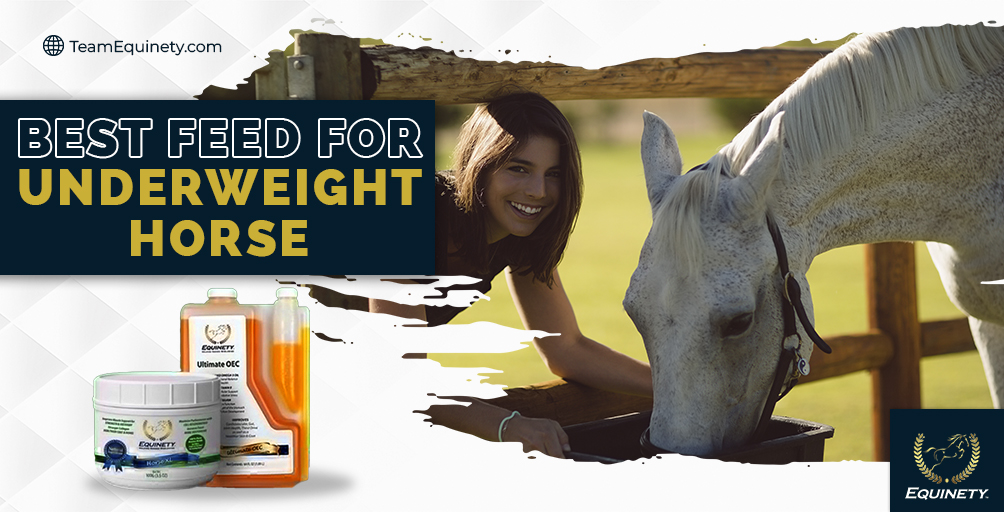
Best Feed for Underweight Horse – (High-Calorie Healthy Options)

Horses are known for their great strength and stamina, but sometimes, they can face health challenges that result in weight deficiency. An underweight horse looks frail. It is more vulnerable to many health-related issues. With the help of proper nutrition and the addition of natural supplements in their diet, your equine can achieve the desired health.

Causes of Underweight Horses:

Before going for a solution, it is more important to understand those factors and causes that can lead to this condition in horses. Poor nutrition, digestive disorders, dental issues, parasites, and the absence of natural supplements in the equine diet are the major causes of underweight horses.

How to Feed Underweight Horse:

Proper diet is the primary key, so you can go for the following options to tackle underweight issues in equine.

1. Quality Forage:

Quality forage, such as pasture and hay, provides essential nutrients, fiber, and energy to the horses and is best to feed underweight horses. Adjust the quantity of forage according to the activity level and horse’s size to get quick results. Forage must be high in quality so it is free from dust, mold, and contaminants.

2. Choose the Suitable Grain:

Grains can provide protein and energy to horses that will help an underweight horse gain a healthy weight. Corn, barley, and oats are common grains, so start with small amounts and gradually increase their quantity. It will help them avoid digestive upset and equine start fulfilling its nutritional needs.

3. Consult to a Veteran:

It is also essential to consult with a vet for a thorough examination of your horse and to identify any underlying health issues contributing to such condition. A veterinarian will also guide you about the correct quantity and feed according to the physical requirements of equine.

How to make horse gain weight and muscle quickly:

If you want to make horses gain weight and strength quickly, then you should follow a few simple tips.

  • Feed the horse a nutrient and high-calorie diet. It will help them to build strong muscles and weight gain quickly.
  • Exercise is another best way for muscle gain, so make a regular exercise schedule for your horse. It will also boost its stamina and digestive system. It will result in healthy weight gain.
  • Supplements are also suitable for gaining weight. So, you can include natural supplements in the equine diet capable of building muscles that will result in positive weight gain.
  • You should also keep a close eye on the horse’s progress. Regularly monitor the horse’s body condition and adjust their diet and exercise routine based on such observations.

Natural Supplement for Underweight Equines:

Natural supplements are the best way to gain a healthy weight safely and effectively. So, if you are looking for the best natural supplement for your equine, you can choose the following options.

Equinety Horse XL is a natural product with essential nutrition for improving weight. It has amino acids that are building blocks of protein and can provide healthy muscles. Due to enhanced nutrient absorption, your equine will get quick muscle development naturally. Your horse will gain weight without excess fat, so it will also support stamina and mobility.

Equinety Ultimate OEC is another natural equine supplement designed to provide a range of benefits. It offers complete digestive support for the gaining process. Your equine will also get a better immune system, which is vital for strong health. This product has a balanced nutritional profile to achieve the desired weight without compromising overall health.

Tips to Gain Weight:

Here, you will get a few additional tips for underweight horses to help them get ideal weight.

1. Frequent Meals:

If we closely monitor the habits of horses, then we will know that in the natural environment, they spend most of their time grazing. This habit helps them keep their stomach full. It also buffers acids from it. Dividing the horse’s diet into smaller but frequent meals will help them gain weight conveniently and quickly.

2. Hydration:

Proper hydration is necessary for digestion and overall health, so ensure that your equine has free access to fresh and clean water.

3. Parasite Control:

Parasites are also a significant factor in weight loss in horses. So, implement a regular deworming program for the best and quick results.

4. Dental Care:

Dental issues make it difficult for horses to chew and digest food properly and lead to weight loss; that is why regular dental care is necessary to keep the teeth of horses in good condition.

5. Stress-Free Environment:

Stress is the biggest enemy of horses that leads to weight reduction. Provide a stress-free and calming environment for your equine to tackle weight-related issues.

FAQs:

Can you ride an underweight horse?

Riding an underweight horse is not ideal as it will lead to further weight reduction. So prioritize the horse’s health and avoid over-riding until they gain sufficient weight.

Can an underweight horse get laminitis?

Of course, underweight horses are at higher risk of developing laminitis. To prevent laminitis you should manage the malnourished horse diet with natural supplements like Equinety Horse XL and Equinety Ultimate OEC in their feed.

How to tell if a horse is underweight?

Many factors indicate clearly that your horse is underweight. Prominent ribs, visible waist, rough coat, poor performance, and reduced energy levels show malnourished horses.

Helpful Equine Guides for You:


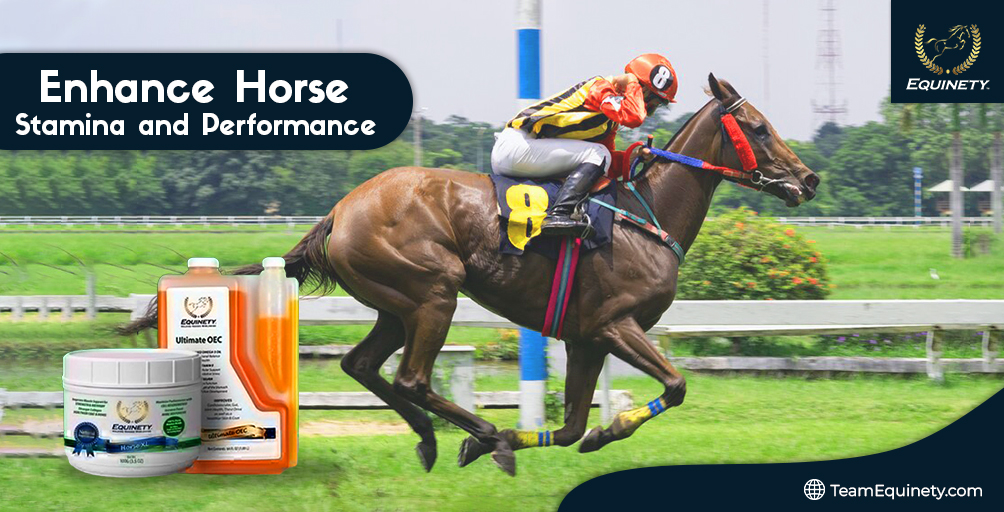
How to Enhance Horse Stamina and Performance (Naturally)

Horses are the most loyal friends of humans from the past. They perform different roles, from transportation to sports and recreation. Horse stamina and performance are essential for working and athlete horses to perform these roles. So, for horse owners and enthusiasts, one key aspect of their care and well-being is to enhance their athletic performance and stamina.

A horse with superior stamina and performance will perform great in competitions and enjoy a healthier and happier life. There are many things that horse owners can do to boost the performance and stamina of their equine, including balanced nutrition, training, and conditioning.

Here, you will find complete information about various aspects that are best to increase the stamina of equine so your horse will run faster and stay at peak conditions naturally.

Tips to increase Stamina and Athletic Performance of your Horse:

Improved stamina and athletic performance result from various factors, including training, diet, genetics, and overall health. Following are a few simple tips to help your equine get increased stamina and performance.

1. Proper Nutrition:

Proper nutrition is the prime factor for a horse’s energy and muscle development as it improves the well-being and overall health of the equine. Provide high-quality forage consistently to your equine, such as grass and hay, with concentrates like oils and grains to help them get additional energy and nutrients.

2. Add Natural Supplements in the Diet of Horse:

Natural supplements have a significant role in the stamina and performance of horses. They contain a sufficient quantity of vitamins, minerals, and amino acids in them. These supplements also meet equine’s higher nutritional needs and support optimum health.

You can use natural supplements like a combination of Equine Horse XL and Equinety Ultimate OEC. They will naturally boost your equine’s performance and stamina without compromising their health.

3. Regular Exercise and Training:

Regular exercise and training are crucial for building endurance and stamina in equine. So go for such activities and exercises focusing on developing muscles and their efficient use. Strength exercises, interval training, and cardio workouts are best for getting the desired results.

4. Hydration:

Ensure your horse is hydrated properly during hot weather and intense training. Dehydration can severely impact its performance.

5. Proper Warm Up and Cool Down:

Proper warm-ups and cool-downs before and after workouts will help horses prevent stiffness and injuries. It will result in their enhanced performance.

6. Adequate Rest:

It is essential to ensure that your horse gets sufficient rest between training sessions to avoid fatigue and injury due to overworking.

7. Regular Monitoring of Health Indicators:

Monitor your equine’s health regularly. You can schedule routine checkups with a veteran to address any health issue with a quick diagnosis.

How to Make Your Horse Run Faster with Simple Tips:

Owing a horse that can run faster is every horse owner’s dream. The horse’s speed depends on its genetics. But with the help of a few tips and training techniques, you can maximize the potential of equine.

The exercises that can enhance the strength of horses, like pole exercise and hill work, build stronger muscles. With the help of stronger muscles, a horse can achieve maximum possible speed quickly.

Excessive weight is the biggest hurdle in fast running. It is better to keep an eye on your horse’s weight and maintain it at an ideal level.

Hoof care also determines the ride quality and speed of the horse by maintaining balance and preventing lameness.

Always ensure that your equine gets a balanced diet. The diet must comprise an essential balance of nutrients like carbohydrates and proteins.

Natural Supplements to Increase Horse Running Performance

Natural supplements can improve the horses’ overall health by supporting muscle and bone health. They are also beneficial for making your horse run faster.

Equinety Horse XL is one of the best natural products specially formulated to boost the stamina and performance of horses. It helps the equine get enhanced energy levels with the help of vitamins, minerals, and amino acids. This supplement also contributes to muscle recovery and reduces the chances of muscle injury and fatigue during different activities.

Equinety Ultimate OEC is another fantastic product. It can increase the strength and performance of equine because of its natural formula and superior ingredients. Your horse will get improved focus and concentration during competitions and training. This product has anti-inflammatory properties. It reduces the risk of inflammation-related injuries.

What is the Average Speed of a Healthy Horse?

The speed of a horse greatly depends upon various factors like breed, fitness, age, and overall health. So you will expect different running speeds from other horses. If we talk about the average speed of a healthy horse, then they can attain around 30 to 40 km per hour speed. They can also achieve an average speed of 50 km per hour for short distances.

Highest Speed Possible by Horse (Naturally)

Horses can attain their highest speed naturally with proper nutrition, exercise, and care, but other factors, as mentioned above, also determine the highest speed. Horses can naturally achieve the highest speed of 40 miles per hour.

Conclusion:

It is possible to enhance the stamina and performance of a horse. It requires patience, dedication, and an understanding of equine body requirements. Boosting your horse’s energy and performance to the maximum possible level is easy with the help of proper nutrition, training, and natural supplements like Equine Horse XL and Equine Ultimate OEC.

Expert’s Equine Guides for You:

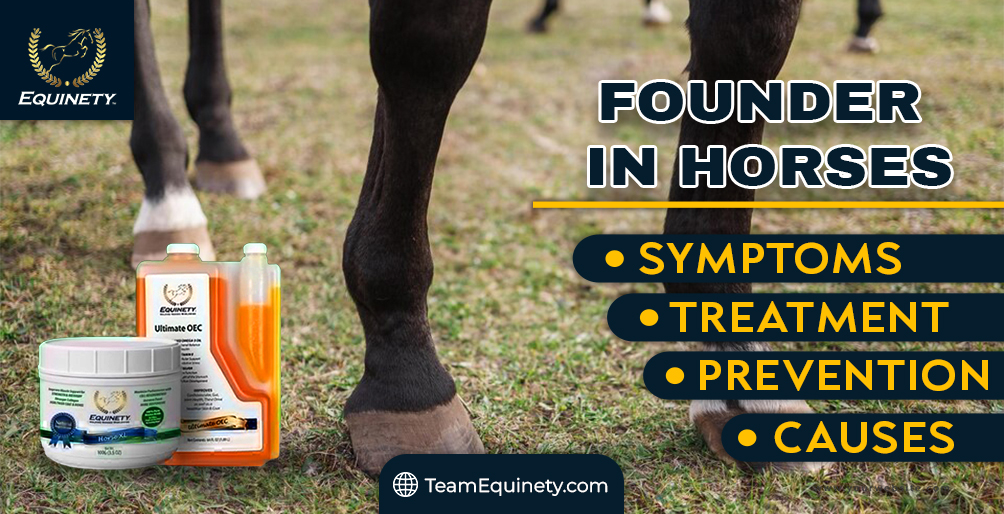
Founder in Horses: Signs, Causes, Treatment and Prevention

Horses are among the best creatures that are familiar for their strength and agility. But like other animals, they can also suffer from various health issues; the most common is founder. 

Founder, known as laminitis, is a painful and often life-threatening condition. It affects the hooves of horses. If it is not appropriately managed, it can lead to lameness and euthanasia. So, knowing about signs, causes, treatment, and prevention is essential for keeping your equine healthy and robust. 

What is the Founder Condition in Horse?

The founder is caused by inflammation of the laminae, which are delicate tissues that connect the hoof wall to the coffin bone. These tissues provide structural support to the hoof to bear the horse’s weight. 

When a horse suffers from laminitis, the laminae become inflamed and weaken. It can separate from the hoof wall, leading to excruciating horse conditions. This condition can lead to rotation or sinking of the coffin bone within the hoof capsule, thus resulting in more complications and health-related issues. 

Signs and Symptoms of Founder in Horse:

Early founder diagnosis in horses is vital for quick intervention and treatment. Let’s talk about the signs and symptoms of founder in horses. They vary depending on the severity of the condition, but here are some common indicators that will help you understand whether your equine is suffering from laminitis. 

Lameness is the most common and obvious sign of founder in horses. It will not be able to walk correctly, and it may walk with a pronounced gait. Lameness, especially in the front feet, should not be ignored and diagnosed properly for early treatment. 

2. Weight Shifting:

Horses that are experiencing laminitis frequently shift their weight from foot to foot in an attempt to relieve pain. 

3. Reluctance to stand and Move:

Laminitis increases pain intensity during movement, making the horse reluctant to stand and move. If your equine lay down more often than usual, it is a sign of founder because standing can be extremely painful in this condition. 

4. Heat and Swelling in the Hooves:

Heat and swelling in the hooves are caused by laminitis, so increased temperature can be an early sign of this disease. You can use a hoof thermometer to check for heat due to inflammation. 

It can be due to laminitis if you experience abnormal changes in the growth and shape of hooves, like ridges or rings. 

Causes of Founder:

Various factors can cause Founder, but if we talk about significant reasons, the following are a few leading causes of this disease. 

Overeating grains is a common cause of founder in horses. Excessive consumption of grains increases the blood sugar level in the body. Horses start experiencing digestive upset, and the body produces insulin to control the sugar level. Still, in some cases, the response of the horse’s body towards insulin is impaired, which leads to founder. 

2. Obesity:

Obesity is another cause of laminitis in horses. Overweight horses experience increased strain on their hooves that can lead to founder. 

3. Infection:

Severe infections of the horse’s hooves can also lead to laminitis. So don’t ignore this sign for proper take care of equine. 

4. Medications:

Some medications can lead to laminitis with high doses for extended periods. 

5. Stress:

If your equine is facing high-stress situations like extreme levels of exercise and long travels, it may lead to laminitis. 

Treatment of Founder:

Early diagnosis and proper treatment are essential to minimize hoof damage pain and enhance the chances of recovery. So, if we talk about its treatment, you can choose the following options. 

1. Rest:

Provide maximum resting time to your equine suffering from laminitis. It will help reduce pressure on the hooves. Movement of the horse will also be restricted due to rest, and it will also prevent further damage to feet. 

2. Cold Therapy:

Inflammation can be reduced with the help of cold therapy. So, apply ice or cold packs to the hooves of the equine. 

3. Medication:

Sometimes, it is essential to go for proper medication to treat laminitis. So, consult with your vet to initiate an appropriate medication process. 

4. Dietary Adjustment:

Laminitis can also be caused due to overconsumption of grains. So, adjust the diet of horses to eliminate high starch and sugar feeds. You can consult your veterinarian to create your horse’s most suitable diet plan. 

Natural Supplements to Help Treating Founder in Equine:

Along with the treatment mentioned above, you can also include natural supplements in your equine’s diet. It can help treat the founder in equine. You can go for the following natural supplements. 

1. Equinety Horse XL:

Equinety Horse XL is a natural amino acid supplement that can contribute to the horse’s overall well-being. It improves hoof health, thus reducing the chances of founder in them. It is based on 100% natural amino acids essential for tissue repair and regeneration. By promoting healthy hoof growth, this supplement is ideal to use for strong hooves. 

2. Equinety Ultimate OEC:

 Equniety Ultimate OEC is also a natural product that can enhance joint health, immune system, and digestion. So it is also great for supporting the health of your equine. Laminitis is associated with inflammation, and Equniety Ultimate OEC has anti-inflammatory properties that reduce the risk of laminitis. This natural supplement also provides digestive support by nutrient absorption. It will not only reduce the risk of the founder but also help overcome other health-related issues.

Founder Prevention Tips:

By following the right prevention tips, you can reduce the risk of laminitis in horses:

1. Balanced Diet:

A balanced diet is the key to ensuring the overall health and well-being of your equine, reducing the chances of laminitis. The appropriate level of forage and limiting the consumption of grains will be beneficial as a precautionary step.  

2. Natural Supplements:

Natural supplements contain all the necessary ingredients that help your equine stay healthy and strong. So, add a natural supplement to your horse’s diet. 

3. Weight Management:

Obesity increases the chances of laminitis so weight management with exercise and proper diet will help you prevent founder in horses. 

4. Stress Management:

Provide a peaceful and calming environment to your house with a moderate level of work and exercise. 

5. Deworming and Vaccination:

Deworming and vaccination of horses also help in the prevention of infections and systematic issues that can be the cause of laminitis. 

Expert’s Equine Guides for You:

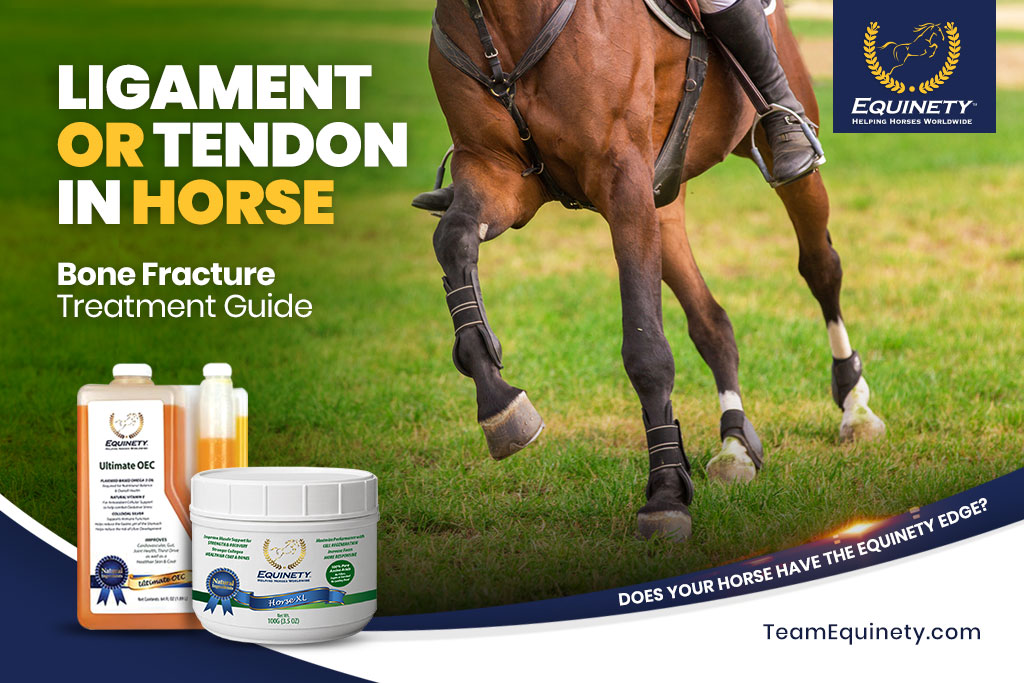
Ligament or Tendon in Horse: Bone Fracture Treatment (Guide 2023)

Horses are among the best athletes who depend on their muscles and skeleton system to perform daily activities. Unfortunately, horses are susceptible to many injuries, including tendon or ligament damage, which can be challenging for the horse and its owner.

Ligaments or tendons are tough tissues that connect muscles to the bones and bones to other bones in the equine body so they can move comfortably and freely. Such injuries are common in horses, and they have to suffer a lot in this condition. As a horse owner, you must know about such injuries for an early diagnosis and proper treatment.

The First Signs of Tendon Injury in Horses (Symptoms)

In athletes and working horses, tendon injuries are more common. So if we talk about the first sign of such damage, it depends upon various factors like location and severity of injury. Following are a few noticeable symptoms of tendon injury in equine.

  • Abnormal Tendon Appearance:

If your equine is facing a severe injury, then it will be visible through an abnormality in the tendon, so as a result, swelling, bumps, and lumps will appear.

  • Poor Performance:

In the early stages of tendon injury, your horse will show reluctance to perform certain activities, and its performance will decrease significantly. Poor performance is the first sign of mild tendon injury when your horse is less willing to jump, turn sharply, and work engagement.

  • Lameness:

A horse-facing tendon injury will not be able to walk and run normally, so lameness is one of the easily understandable signs of this injury. A noticeable change in the gait of horses, like limp, stiffness, and shortened stride, is due to tendon injury.

  • Behavioral Changes:

If you start noticing any changes in the behavior of equine, then you must find the cause because most of the time, such changes occur due to tendon injuries. It will start exhibiting signs of distress and become more irritable as a first sign of tendon injury.

  • Sensitivity and Pain:

In case of tendon injury, a horse will show signs of discomfort when the tendon is palpated and become more sensitive to the cause of pain. Due to pain and sensitivity, the equine will resist bearing weight on the affected leg.

  • Swelling and Heat:

Tendon injury leads to swelling and heat around the affected area, and you will notice swelling and warmth in particular places of the leg, especially around the tendons.

Treatment for Thin Soles in Horse:

Many factors contribute to ligament and tendon injuries in horses. Here you will get information about a few leading causes.

  • Deficiency in Diet:

A balanced diet is necessary because if your equine is not getting sufficient quantity of vitamins, minerals, and protein, there are more chances of getting ligament or tendon problems.

  • Excessive Weight:

A horse has to maintain its weight at an ideal level; otherwise, it will be more vulnerable to many ligament and tendon injuries.

  • Uneven Surfaces:

Slippery and uneven surfaces are hazardous for the horse, increasing the chances of ligament and tendon injuries. Suppose your horse is working or training on slippery or uneven surfaces like icy ground, wet grass, or deep sand. In that case, it will destabilize the horse’s footing and lead to falls, slips, and sudden movement, resulting in injuries.

  • Age:

A younger and aged horse can quickly get ligament or tendon injuries because their musculoskeletal system is not strong enough to handle intense training and heavy workloads.

  • Poor Shoeing:

Proper shoeing is necessary for horses to protect themselves from various tendon or ligament injuries.

  • Inflammation:

A horse experiencing inflammation in its body will increase the chances of getting ligament or tendon injuries. There are many reasons behind inflammation, like laminitis, arthritis, or infections.

  • Genetics:

Because of their genetics, some kinds of horses are more prone to ligament or tendon injuries, so you should not ignore this.

How to Treat and Recover Bone Fractures in Equine?

Bone fracture recovery is simple in equine if it is diagnosed at earlier stages and quick treatment begins. In many cases, it is essential to do surgery for proper healing. Due to advancements in veterinary medicine, bone fractures are not deadly for horses. Immediate care is necessary, so movement restriction will help prevent further damage.

The veterinarian will examine the bone fracture of a horse with the help of different diagnostic tools like ultrasound and X-rays to know the fracture type. He will decide whether surgery is needed or whether he can manage it conservatively.

Nutritional support is most important for quick recovery. Provide a balanced diet for your equine with the necessary protein, vitamins, and minerals.

Best Diet and Supplements:

A balanced diet high in protein, calories, vitamins, and minerals is ideal for a horse suffering from any kind of bone fracture. Due to injury, a horse needs extra energy to boost the healing process, and protein in the diet will enable the horse’s body to build new tissues.

Natural supplements are vital in ligament and tendon injuries in equine because they contain all the necessary vitamins, minerals, amino acids, fatty acids, and protein for overcoming such situations. The following supplements are recommended for quick recovery.

Equinety Horse XL is one of the best products designed to fulfill all body requirements of a horse suffering from bone injury. It has 8 amino acids that promote cellular repair in equine, so you can expect a safe and fast recovery of the fractured bone. It also supports muscle support by providing maximum strength and healing, giving your horse healthier collagen, more muscular coat, and bones.

Equinety Ultimate O.E.C. is another fantastic product you can utilize to treat and recover ligament and tendon injuries. Joint health is essential for horses, so this product supports joint health and healthier skin.

You can combine Equinety Horse XL and Equinety Ultimate O.E.C. to make a powerful and natural supplement for your horse. It will also be a great economical choice and capable of fulfilling all a horse’s nutritional requirements.

Check Ligament Injury in Older Horses:

With the help of careful examination of older horses, you can analyze any sign of ligament in them, so during such test, if the equine is showing signs of discomfort and lameness, then there are chances of injury.

Riding your older horse on different surfaces will be beneficial for checking ligament injury, so observe your horse on soft surfaces, circles, and hard ground and analyze whether lameness appears more pronounced on different surfaces or during specific movements.

Conclusion

Ligament and tendon injuries are dangerous for horses if not diagnosed and treated at earlier stages. With the help of a few visible symptoms like lameness, change in gait, declined performance, and strange behavioral changes, it is pretty easy to diagnose any kind of bone fracture in your equine. A balanced diet, including natural supplements like Equinety Horse XL and Equinety Ultimate O.E.C., is the best choice for the horse’s overall well-being. Combining these two products will make a very effective supplement for your horse that will not only help in quick healing but will also support and boost the overall health indicator.

Expert’s Equine Guides for You: