Horse Pelvis Out of Alignment: Symptoms, Causes, Treatment and Prevention

A horse pelvis is a complex structure that connects the hindquarters to the spine. It comprises three bones: the Ilium, the Pubis, and the Ischium. The Pelvis of the horse is designed to support the internal organs, and it has a significant role in the movement of the equine.

When the Pelvis of a horse is misaligned, it can lead to many performance and health-related issues. It is essential to ensure the pelvis health of a horse for its overall health and smooth functioning.
Functions of Horse Pelvis:

The horse pelvis performs a variety of functions that include:

  • Movement:

The Pelvis helps horses in mobility by allowing the coordinated movement of hind limbs, which is essential for work and athletic activities.

  • Weight Support:

The Pelvis supports the weight of the horse and rider, and it also distributes evenly to the legs.

  • Protection of Internal Organs:

The Pelvis is also supposed to protect vital internal organs, such as the digestive and reproductive systems, for the smooth functioning of the equine body.

Horse Hip Injury and Hip Disorders:

Horse hip injury and hip disorders are responsible for the misalignment of the Pelvis. The hip and Pelvis of a horse play an essential role in the movement, and any injury or illness in such areas can lead to pelvis-related issues.

Any hip injury or disorder leads to compensatory changes in the movement of the equine and its posture. These changes can affect the alignment of the Pelvis, so early diagnosis, appropriate treatment, and proper rehabilitation are crucial for overcoming any damages caused to the Pelvis of a horse due to hip injury or disorder.
Symptoms of Misaligned Pelvis:

Symptoms of misaligned Pelvis vary according to the severity of the condition, but the following are a few common symptoms:

1. Lameness:

A horse that is facing any kind of misaligned Pelvis will experience lameness. It is also reluctant to bear weight on one or both hind limbs. It creates a painful situation for the horse during movement.

2. Performance Issues:

If you are experiencing a sudden decrease in the performance of your horse, like a decrease in speed or agility, then it may be due to Pelvis. A horse suffering from a misaligned Pelvis will not be able to perform its routine tasks like an average horse.

3. Pain and Discomfort:

A horse with a misaligned Pelvis will show signs of pain and discomfort in the hip region when palpated. It will also feel difficulty in warming up and show reluctance to move freely.

4. Behavioral Changes:

Behavioral changes in the equine can also cause a misaligned pelvis, which may become irritated or aggressive because of discomfort. If you are horse is showing any sign of behavioral changes, then you should be worried about any pelvis disorder.

5. Difficulty in Turning:

Difficulty turning or backing up is another visible symptom of a misaligned pelvis because the hip region feels pain during the sharp turning of the horse. The altered posture that includes a raised or dropped hip due to the Pelvis also makes it difficult for the horse to turn quickly.

6. Stiffness:

A horse with a misaligned pelvis experiences reduced flexibility in hind limbs, showing reluctance in lateral movements.

Causes of Misaligned Horse Pelvis:

Horse pelvis can be misaligned due to different factors, so if we talk about common causes, they are following.

1. Injury or Trauma:

Injury or trauma can lead to a horse’s Pelvis being out of alignment, such as a kick, traumatic fall, accident, or collision. If the hip region of the horse is affected, then it can lead to misalignment of the Pelvis.

2. Excessive Exercise:

Horses are vital as they are trained to do complex tasks. But at the same time, excessive workload and exercise are also quite dangerous for them. Overexertion or excessive exercise can contribute to misalignment of the Pelvis over time.

3. Muscular Imbalance:

Muscular imbalances affect the health of the equine badly, and these imbalances often occur due to one-sided training, which can result in pelvis misalignment. Poor saddle fit causes discomfort and disrupts the alignment of the Pelvis.

4. Joint Diseases:

Any degenerative joint disease can cause misalignment in the Pelvis of the horse. Osteoarthritis is one of the common joint diseases that can lead to pelvis disorder. It causes inflammation, cartilage damage, and bone changes, so monitor the collective health of your equine closely.

5. Hoof Problems:

The hoof of a horse works as the foundation of its entire body, and when a horse experiences lameness, improper trimming, improper trimming, or uneven wear, it affects the hooves badly. These hoof problems place strain on muscles that are connected to support the Pelvis and result in its misalignment.

6. Unfitted Tack:

If the saddle, girth, or other equipment is not adjusted correctly on the horse’s body, they create pressure on the shoulders and back of a horse. Over time, these issues become severe and result in a misaligned pelvis.

Treatment of Misaligned Pelvis:

Treatment of a misaligned pelvis of the horse is a combination of different factors, so for effective treatment, you can consider the following points.

  • Consult with a Veterinarian:

Misalignment of the Pelvis is quite a painful condition for horses. If it is not treated at early stages, it can lead to severe consequences. If your horse is experiencing such a condition, then you must consult with a qualified veterinarian. With the help of physical examination and imaging techniques like X-rays, the Vet can assess the extent of misalignment and the device’s best remedies.

  • Pain Management:

Pain management through medication is necessary to keep the horse comfortable, which will help in the proper treatment of the Pelvis.

  • Physical Therapy:

Physical therapy, like a tailored exercise program, can help strengthen the pelvic muscles and improve balance. Electric stimulation and ultrasound also aid in muscle recovery of the hip region.

  • Rest:

A horse that is suffering from pelvic disorder will feel pain and discomfort, especially at the time of movement. It is necessary to limit its movement as it will help the Pelvis to heal. Excessive rest is also not good for pelvis health, so a gradual reintroduction to training and work is also beneficial for overcoming pelvis issues.

Preventing Horse Pelvis Misalignment:

Prevention is always better than treatment, so with the help of a few precautionary measures, you can reduce the chances of pelvis misalignment in your equine.

1. Maintain Healthy Weight:

Overweight horses are more vulnerable to pelvis-related issues. So it is better to maintain the healthy weight of your equine according to age.

2. Regular Trimming of Hooves:

A strong hoof provides a solid basis to the body of a horse, so with the help of regular trimming of hooves, your equine will pose vital physical and Pelvis health.

3. Proper Fitted Tack:

Unfitted tack is one of the leading causes of pelvis misalignment over time, so always ensure that the tack of your horse fits appropriately.

4. Balanced Training:

Ensure a balanced training program for your equine that develops both sides of the horse equally so that the Pelvis is aligned correctly. Adequate warm-up and cool-down time before and after training can prevent muscle strain and ensure the Pelvis’s health.

5. Regular Veterinarian Checkups:

Regular veterinarian checkups will help you catch any issues early and provide quick treatment. The Vet will also ensure the saddle fits correctly so as not to create pressure points that can contribute to pelvis disorders over time.

6. Nutrition and Diet with Natural Supplements:

Provide a well-balanced diet to support the muscle and overall health of your equine. The inclusion of natural supplements like Equinety Horse XL and Equinety Ultimate OEC in the diet of equine will ensure joint solid health. These products are comprised of essential vitamins, minerals, amino acids, and colloidal silver that are necessary for the collective health of horses.

Expert’s Equine Guides for You:

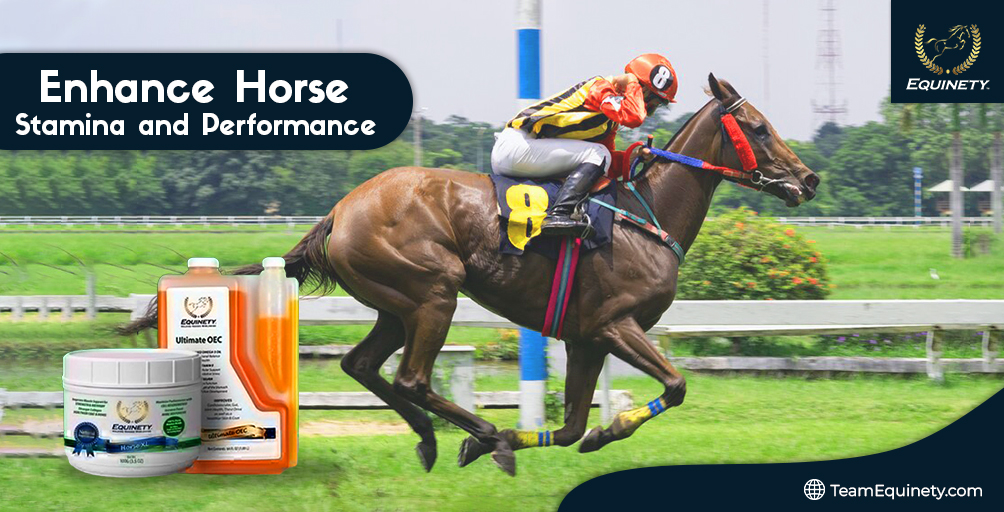
How to Enhance Horse Stamina and Performance (Naturally)

Horses are the most loyal friends of humans from the past. They perform different roles, from transportation to sports and recreation. Horse stamina and performance are essential for working and athlete horses to perform these roles. So, for horse owners and enthusiasts, one key aspect of their care and well-being is to enhance their athletic performance and stamina.

A horse with superior stamina and performance will perform great in competitions and enjoy a healthier and happier life. There are many things that horse owners can do to boost the performance and stamina of their equine, including balanced nutrition, training, and conditioning.

Here, you will find complete information about various aspects that are best to increase the stamina of equine so your horse will run faster and stay at peak conditions naturally.

Tips to increase Stamina and Athletic Performance of your Horse:

Improved stamina and athletic performance result from various factors, including training, diet, genetics, and overall health. Following are a few simple tips to help your equine get increased stamina and performance.

1. Proper Nutrition:

Proper nutrition is the prime factor for a horse’s energy and muscle development as it improves the well-being and overall health of the equine. Provide high-quality forage consistently to your equine, such as grass and hay, with concentrates like oils and grains to help them get additional energy and nutrients.

2. Add Natural Supplements in the Diet of Horse:

Natural supplements have a significant role in the stamina and performance of horses. They contain a sufficient quantity of vitamins, minerals, and amino acids in them. These supplements also meet equine’s higher nutritional needs and support optimum health.

You can use natural supplements like a combination of Equine Horse XL and Equinety Ultimate OEC. They will naturally boost your equine’s performance and stamina without compromising their health.

3. Regular Exercise and Training:

Regular exercise and training are crucial for building endurance and stamina in equine. So go for such activities and exercises focusing on developing muscles and their efficient use. Strength exercises, interval training, and cardio workouts are best for getting the desired results.

4. Hydration:

Ensure your horse is hydrated properly during hot weather and intense training. Dehydration can severely impact its performance.

5. Proper Warm Up and Cool Down:

Proper warm-ups and cool-downs before and after workouts will help horses prevent stiffness and injuries. It will result in their enhanced performance.

6. Adequate Rest:

It is essential to ensure that your horse gets sufficient rest between training sessions to avoid fatigue and injury due to overworking.

7. Regular Monitoring of Health Indicators:

Monitor your equine’s health regularly. You can schedule routine checkups with a veteran to address any health issue with a quick diagnosis.

How to Make Your Horse Run Faster with Simple Tips:

Owing a horse that can run faster is every horse owner’s dream. The horse’s speed depends on its genetics. But with the help of a few tips and training techniques, you can maximize the potential of equine.

The exercises that can enhance the strength of horses, like pole exercise and hill work, build stronger muscles. With the help of stronger muscles, a horse can achieve maximum possible speed quickly.

Excessive weight is the biggest hurdle in fast running. It is better to keep an eye on your horse’s weight and maintain it at an ideal level.

Hoof care also determines the ride quality and speed of the horse by maintaining balance and preventing lameness.

Always ensure that your equine gets a balanced diet. The diet must comprise an essential balance of nutrients like carbohydrates and proteins.

Natural Supplements to Increase Horse Running Performance

Natural supplements can improve the horses’ overall health by supporting muscle and bone health. They are also beneficial for making your horse run faster.

Equinety Horse XL is one of the best natural products specially formulated to boost the stamina and performance of horses. It helps the equine get enhanced energy levels with the help of vitamins, minerals, and amino acids. This supplement also contributes to muscle recovery and reduces the chances of muscle injury and fatigue during different activities.

Equinety Ultimate OEC is another fantastic product. It can increase the strength and performance of equine because of its natural formula and superior ingredients. Your horse will get improved focus and concentration during competitions and training. This product has anti-inflammatory properties. It reduces the risk of inflammation-related injuries.

What is the Average Speed of a Healthy Horse?

The speed of a horse greatly depends upon various factors like breed, fitness, age, and overall health. So you will expect different running speeds from other horses. If we talk about the average speed of a healthy horse, then they can attain around 30 to 40 km per hour speed. They can also achieve an average speed of 50 km per hour for short distances.

Highest Speed Possible by Horse (Naturally)

Horses can attain their highest speed naturally with proper nutrition, exercise, and care, but other factors, as mentioned above, also determine the highest speed. Horses can naturally achieve the highest speed of 40 miles per hour.

Conclusion:

It is possible to enhance the stamina and performance of a horse. It requires patience, dedication, and an understanding of equine body requirements. Boosting your horse’s energy and performance to the maximum possible level is easy with the help of proper nutrition, training, and natural supplements like Equine Horse XL and Equine Ultimate OEC.

Expert’s Equine Guides for You:

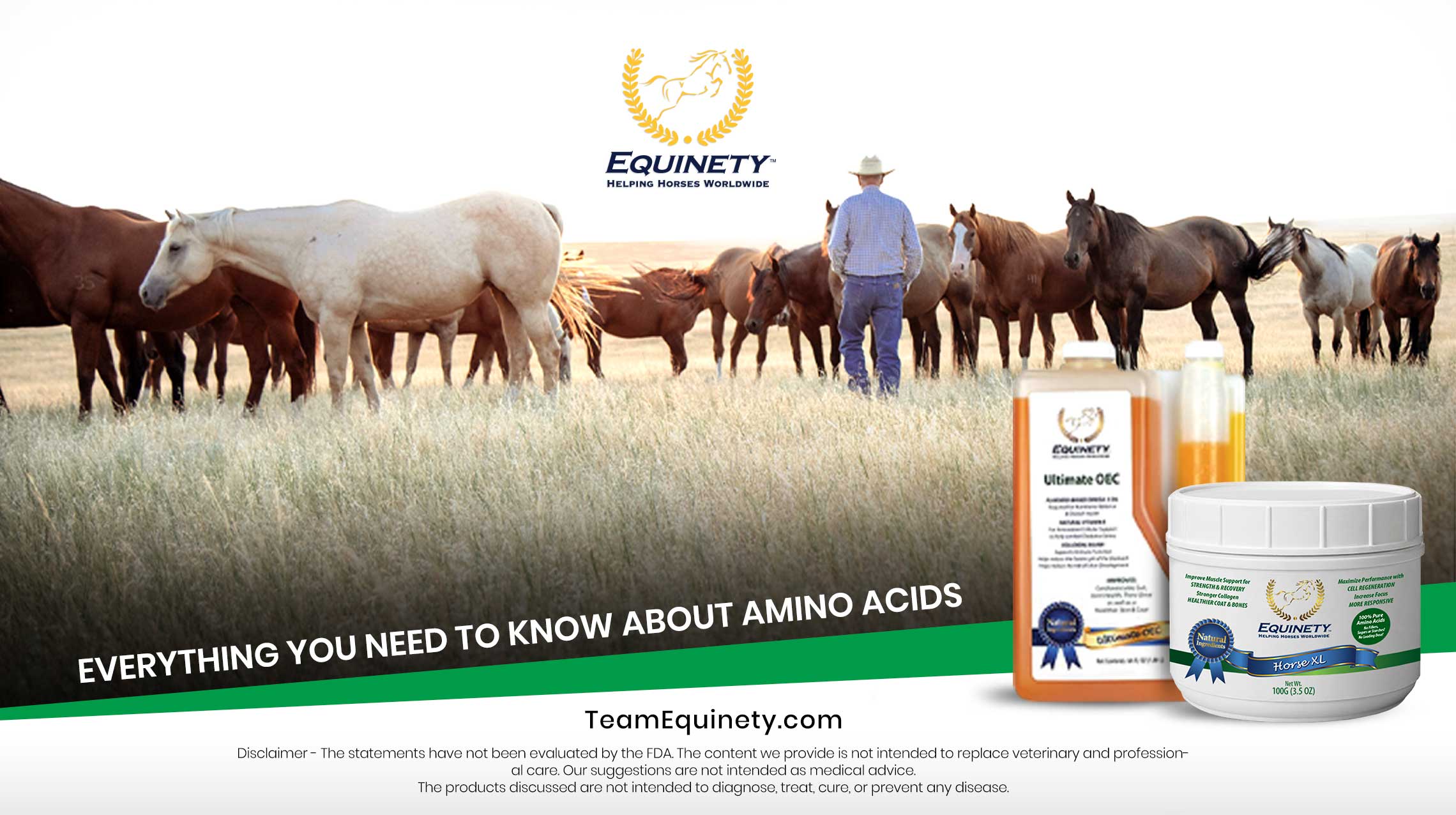
Everything you need to know about Amino acid horse supplements

What are amino acids and why are they important for horses?

You may have heard about amino acids and their importance for your equine companion. But what exactly are amino acids and why are they essential for horses? Amino acids are the building blocks of proteins, which are crucial for many bodily functions such as muscle growth and repair, immune system support, and hormone production. There are 20 different types of amino acids, 10 of which are considered essential for horses as they cannot be produced by the body and must be obtained through their diet. These essential amino acids include lysine, methionine, threonine, tryptophan, histidine, leucine, isoleucine, valine, phenylalanine, and arginine. Each of these amino acids has a specific role in maintaining your horse’s health.

As a horse owner, it’s essential to understand the importance of amino acids in your horse’s diet. Amino acids are the building blocks of proteins, which are essential for muscle development, tissue repair, and overall health. While horses can produce some amino acids on their own, others must come from their diet.


Here are the top 10 amino acids for horses that you should know about.

1. Lysine

Lysine is an essential amino acid that plays a critical role in muscle development and immune system function. Horses require a steady supply of lysine in their diet to maintain their health and well-being.

2. Methionine
Methionine is another essential amino acid that is crucial for healthy hooves, skin, and coats. It also helps with the production of keratin, which is essential for strong and healthy hair and hooves.

3. Threonine
Threonine is an essential amino acid that plays a critical role in the development and maintenance of muscle mass. It also aids in the production of antibodies, which are essential for a healthy immune system.

4. Tryptophan
Tryptophan is an essential amino acid that is necessary for the production of serotonin, a neurotransmitter that helps regulate mood and behavior. It also helps with the development and maintenance of healthy muscle tissue.

5. Arginine
Arginine is a non-essential amino acid that plays a critical role in the production of nitric oxide, which helps to regulate blood flow and improve circulation. It is also essential for healthy immune system function.

6. Histidine
Histidine is an essential amino acid that plays a crucial role in the production of red and white blood cells. It is also necessary for the production of histamine, which is essential for healthy immune system function.

7. Valine
Valine is an essential amino acid that is necessary for the development and maintenance of healthy muscle tissue. It also helps with the production of energy and the regulation of blood sugar levels.

8. Leucine
Leucine is an essential amino acid that plays a crucial role in the development and maintenance of healthy muscle tissue. It also aids in the production of energy and the regulation of blood sugar levels.

9. Isoleucine
Isoleucine is an essential amino acid that is necessary for the development and maintenance of healthy muscle tissue. It also aids in the production of energy and the regulation of blood sugar levels.

10. Phenylalanine
Phenylalanine is an essential amino acid that is necessary for the production of neurotransmitters, which are essential for healthy brain function. It also aids in the production of energy and the regulation of blood sugar levels.

In conclusion, these are the top 10 amino acids for horses that you should know about. A balanced diet that includes these amino acids in the appropriate amounts is crucial for your horse’s overall health and well-being. Consult with your veterinarian or equine nutritionist to ensure that your horse is getting the right amount of amino acids in their diet.


How to choose the right amino acid supplement for your horse?

As a horse owner, you want to ensure that your equine friend is receiving the best possible care and nutrition. One way to achieve this is by providing them with amino acid supplements. Amino acids are the building blocks of protein and are essential for the growth and repair of tissue in horses.

However, with so many amino acid supplements available on the market, it can be challenging to choose the right one for your horse. Here are some factors to consider when selecting an amino acid supplement:

1. The type of amino acids

There are two types of amino acids: essential and non-essential. Essential amino acids cannot be produced by the body and must be obtained through the diet. Non-essential amino acids can be produced by the body. Ensure that the supplement you choose contains the essential amino acids that your horse requires.

2. The quality of the ingredients

The quality of the ingredients in the supplement is crucial. Look for a supplement that contains high-quality, bioavailable ingredients that are easily absorbed by the horse’s body. Avoid supplements that contain fillers or artificial additives.

3. The form of the supplement

Amino acid supplements come in various forms, including pellets, powders, and liquids. Choose a form that is convenient for you to administer and that your horse will readily accept.

4. The dosage

The dosage of the supplement will depend on the horse’s weight, age, and activity level. Follow the manufacturer’s instructions for dosage and consult with your veterinarian if you are unsure.

5. The reputation of the manufacturer

Choose a supplement from a reputable manufacturer that has a history of producing high-quality products. Look for reviews and feedback from other horse owners to ensure that the supplement has been effective for their horses.

In conclusion, choosing the right amino acid supplement for your horse requires careful consideration. Consider the type of amino acids, quality of ingredients, form of the supplement, dosage, and reputation of the manufacturer. By taking these factors into account, you can provide your horse with the best possible care and nutrition.


What is the impact of Amino acids on horse Coat and hoof health?

One of the most important amino acids for coat health is methionine. Methionine is an essential amino acid, meaning that horses cannot produce it themselves and must obtain it from their diet. Methionine is a key component in the production of keratin, which is the protein that makes up the majority of a horse’s hair and hooves. Without sufficient methionine, horses may experience dry, brittle hair and weak, cracked hooves. Another important amino acid for coat health is lysine. Like methionine, lysine is an essential amino acid that horses must obtain from their diet. Lysine plays a key role in the production of collagen, which is a protein that gives skin and hair their elasticity. Horses that are deficient in lysine may experience dry, dull hair and skin. In addition to methionine and lysine, there are several other amino acids that play a role in maintaining a healthy coat and hooves. These include cysteine, arginine, and tyrosine.

Can I add amino acids to senior horse diets?

As horses age, their dietary needs change. Senior horses require a well-balanced diet that supports their aging bodies and helps them maintain good health. One essential component of a senior horse’s diet is amino acids.

With time senior horses’ ability to digest and absorb nutrients decreases. This can lead to a deficiency in essential amino acids, which can have negative effects on their health. For example, a deficiency in lysine, an essential amino acid, can lead to muscle wasting and a weakened immune system. To ensure that senior horses are getting the necessary amino acids in their diets, it’s important to provide them with high-quality protein sources. Good sources of protein for senior horses include alfalfa, soybean meal, and whey protein.

It’s also important to provide senior horses with a well-balanced diet that contains all of the essential amino acids. This can be achieved through the use of high-quality senior horse feed or by working with a veterinarian or equine nutritionist to develop a custom diet plan.

In conclusion, amino acids play a crucial role in the health and well-being of senior horses. Ensuring that they are getting the necessary amino acids in their diets can help them maintain muscle mass, support their immune system, and improve their overall health. By providing high-quality protein sources and a well-balanced diet, we can help our senior horses live happy, healthy lives.

The benefits of feeding horses amino acids during training and competition

As an equestrian athlete, you want to give your horse the best possible nutrition to help them perform at their peak. One area that is often overlooked is the importance of amino acids in a horse’s diet.

Amino acids are the building blocks of protein, which is essential for muscle growth and repair. When horses are in training and competition, their muscles undergo a lot of stress which can result in muscle damage. Feeding your horse amino acids can help to repair and rebuild these muscles, allowing them to recover faster and perform better.

There are two types of amino acids: essential and non-essential. Essential amino acids cannot be produced by the horse’s body and must be obtained through their diet. Non-essential amino acids can be produced by the body, but supplementing them can still be beneficial.

Some of the key benefits of feeding your horse amino acids during training and competition include:

1. Improved muscle recovery: Amino acids can help to repair and rebuild muscles that have been damaged during exercise, allowing your horse to recover faster and perform better.

2. Increased muscle mass: Amino acids are essential for muscle growth, so feeding your horse the right combination of amino acids can help them to build more muscle mass.

3. Improved performance: By supporting muscle recovery and growth, amino acids can help your horse to perform at its best during training and competition.

4. Reduced risk of injury: Strong, healthy muscles are less likely to be injured, so feeding your horse amino acids can help to reduce their risk of injury.

5. Better overall health: Amino acids are essential for many other bodily functions, such as immune system function, hormone production, and nutrient absorption. By ensuring your horse gets enough amino acids, you can help to support their overall health and well-being.

In conclusion, feeding your horse amino acids during training and competition can have a range of benefits for their muscle recovery, growth, and overall health. By working with a qualified equine nutritionist, you can ensure that your horse’s diet is properly balanced and includes the right combination of amino acids to support their athletic performance.


Why Equinety XL is important for your horse? Does Equinety have all the important amino acids a horse needs?

  • Yes, Equinety XL is a combination of the 8 most important amino acids that your horse needs.
  1. L-LYSINE
  2. L-ARGININE
  3. L-ORNITHINE
  4. GLYCINE
  5. L-LEUCINE
  6. L-ISOLEUCINE
  7. L-VALINE
  8. L-GLUTAMINE
  • Equinety XL is made of 100% pure Amino acids that are the building blocks of protein, essential for muscle growth and cellular repair.
  • Feeding horses Equinety XL can help repair and rebuild muscles, allowing them to recover faster and perform better.
  • Equinety XL helps horses build more muscle management and reduce the risk of injury.
  • Combination of Equinety XL and Equinety Ultimate OEC repairs and nourishes cells that helps in many bodily functions, including better immune system function, hormone production, and nutrient absorption.
  • Equinety XL and Equinety Ultimate OEC are the right combinations of amino acids to support athletic performance.


Horse Supplements


What customers think about Equinety System


Best Muscle Recovery Natural Supplements for Horses (2023)

Horses are specially trained to cover long distances and participate in different exercises. But at the same time, these activities cause muscle fatigue. Muscle disorders are common in horses due to many reasons. These reasons include diseases and infections that badly affect horses’ daily routines. Besides them, vitamin E deficiency is also responsible for lousy muscle health, which can cause sudden death in horses.

If your Equine is also facing muscle disorders, you need to know the best muscle recovery supplements for horses to boost their muscle growth. Horse muscle supplements help horses to boost their performance and get instant muscle recovery. They also help in getting muscle mass and growth.
What helps fast muscle recovery in horses?
Protein plays a vital role in the fast muscle recovery of horses because it can rebuild damaged muscles. Protein assists the repair and growth of tissues, so use supplements that includes electrolytes, vitamin E, and amino acids.

The best supplement for the muscle recovery of horses in 2023 is Equinety Horse XL because it contains amino acids ideal for cellular repair. It has 8 amino acids that will help your equine recover the fastest muscle and regenerate cells for healthier muscles. You can add this product to feed your horse and get desired results within days.

Equinety Horse XL will also help your horse get rid of fatigue due to excessive exercise and distance traveled so that your equine will get the proper quantity of amino acids in its diet.

The main drawback of muscle recovery supplements is their side effects. After using this product, you will not experience any of them as it does not contain sugar, soy, starches, or fillers. You will get 100 days supply that will help your Equine to fast muscle recovery and sufficient mass growth.

How long do horses need to recover?

Each horse’s recovery time is different based on muscle fatigue, the condition of the horse, and exercise level. A horse can fully recover within 24 to 48 hours if it is not facing any swear conditions. In many conditions, the horses require up to 5 days to recover their muscles.

The diagnosis process is also essential in determining the recovery time for the equine. So if your horse is facing any muscle injury, you should consult a vet before and start the treatment of the injury.

Recovery of muscles after injury requires more time. So you can expect up to 3 weeks for complete recovery. Massage and stretching of muscles are also helpful for recovery during these 3 weeks.

Nutrition to Help Fastest Muscles Recovery in Equine

Nutrition plays a vital role in the fastest muscle recovery in equine. So for choosing the best nutrition, keeps these points in your mind.

1. Proteins:

Protein plays a vital role in repairing tissues and building muscles. So while deciding the nutrition, go for protein-rich foods for the fastest muscle recovery for your horse.

After an injury, your equine will experience muscle mass and strength reduction. But including sufficient protein in nutrition will help keep the loss at a minimum level. It will also help quick recovery, and increased protein intake will quickly rebuild any lost muscle.

The inclusion of protein in the diet of equine will also help muscles to recover faster during sleep and exercise for recovery as well.

2. Vitamin E and Fats:

Vitamin E is an essential element of the nutrition of equine for the fastest recovery of muscles as it works as an antioxidant. It will also help a horse to keep free from stress caused by muscle fatigue and injuries.

Fats are also the most significant energy source that will build muscle strength and growth quickly. If you are providing a sufficient amount of fats in your diet, then your equine will be able to recover from any muscle injury fully.

3. Zinc:

Zinc is an essential source of regeneration of muscles because it supports many proteins and enzymes in the horse’s diet. It is involved in the production and functioning of muscles, especially in the recovery process. So if your horse is facing any muscle disorder, then it is advised to add zinc to the diet for better and quicker recovery.

4. Magnesium:

Higher magnesium intake is associated with bone strength and firmness, so for the fastest muscle recovery, add this mineral to the equine diet. It will also help repair and maintain joints that are too important after getting an injury or muscle disorder in the horse.

5. Water intake:

Proper hydration is one of the essential elements for the fastest recovery of muscles in horses. A hydrated horse’s body will help nutrition reach the desired place for the healing and recovery process. It also promotes proper blood circulation in the body. Dehydration will cause more fatigue in your equine, resulting in more muscle fatigue and slowing down the recovery process.

Best Ways to Improve Horse Performance After Recovery:

It is not easy to improve the horse’s performance after muscle recovery because the horse’s fitness level has significantly dropped due to extended breaks. You should follow these points to improve the horse’s performance after recovery.

  • Make a proper exercise timetable for your equine and follow it strictly. Start with a minimum duration to make exercise convenient for the horse, then increase the duration.
  • Cool down your horse correctly after exercising daily. It will help the body of the equine from overheating. A 5 to 10 minutes walk will help to cool your equine.
  • Proper hydration and nutrition are necessary to improve the horse’s performance after recovery. It will help him get back to the previous routine quickly.
  • A post-workout massage is another way of improving the horse’s performance after muscle recovery. It will help in relaxing the muscles and reducing any kind of pain or swelling.

Including the right supplement like Equinety Horse XL will help your Equine regain its performance after recovery because amino acid is necessary for the equine at this stage. It will also help your horse to overcome any fatigue caused by exercise after recovery.

Helpful Posts for You: