Horse Pelvis Out of Alignment: Symptoms, Causes, Treatment and Prevention

A horse pelvis is a complex structure that connects the hindquarters to the spine. It comprises three bones: the Ilium, the Pubis, and the Ischium. The Pelvis of the horse is designed to support the internal organs, and it has a significant role in the movement of the equine.

When the Pelvis of a horse is misaligned, it can lead to many performance and health-related issues. It is essential to ensure the pelvis health of a horse for its overall health and smooth functioning.
Functions of Horse Pelvis:

The horse pelvis performs a variety of functions that include:

  • Movement:

The Pelvis helps horses in mobility by allowing the coordinated movement of hind limbs, which is essential for work and athletic activities.

  • Weight Support:

The Pelvis supports the weight of the horse and rider, and it also distributes evenly to the legs.

  • Protection of Internal Organs:

The Pelvis is also supposed to protect vital internal organs, such as the digestive and reproductive systems, for the smooth functioning of the equine body.

Horse Hip Injury and Hip Disorders:

Horse hip injury and hip disorders are responsible for the misalignment of the Pelvis. The hip and Pelvis of a horse play an essential role in the movement, and any injury or illness in such areas can lead to pelvis-related issues.

Any hip injury or disorder leads to compensatory changes in the movement of the equine and its posture. These changes can affect the alignment of the Pelvis, so early diagnosis, appropriate treatment, and proper rehabilitation are crucial for overcoming any damages caused to the Pelvis of a horse due to hip injury or disorder.
Symptoms of Misaligned Pelvis:

Symptoms of misaligned Pelvis vary according to the severity of the condition, but the following are a few common symptoms:

1. Lameness:

A horse that is facing any kind of misaligned Pelvis will experience lameness. It is also reluctant to bear weight on one or both hind limbs. It creates a painful situation for the horse during movement.

2. Performance Issues:

If you are experiencing a sudden decrease in the performance of your horse, like a decrease in speed or agility, then it may be due to Pelvis. A horse suffering from a misaligned Pelvis will not be able to perform its routine tasks like an average horse.

3. Pain and Discomfort:

A horse with a misaligned Pelvis will show signs of pain and discomfort in the hip region when palpated. It will also feel difficulty in warming up and show reluctance to move freely.

4. Behavioral Changes:

Behavioral changes in the equine can also cause a misaligned pelvis, which may become irritated or aggressive because of discomfort. If you are horse is showing any sign of behavioral changes, then you should be worried about any pelvis disorder.

5. Difficulty in Turning:

Difficulty turning or backing up is another visible symptom of a misaligned pelvis because the hip region feels pain during the sharp turning of the horse. The altered posture that includes a raised or dropped hip due to the Pelvis also makes it difficult for the horse to turn quickly.

6. Stiffness:

A horse with a misaligned pelvis experiences reduced flexibility in hind limbs, showing reluctance in lateral movements.

Causes of Misaligned Horse Pelvis:

Horse pelvis can be misaligned due to different factors, so if we talk about common causes, they are following.

1. Injury or Trauma:

Injury or trauma can lead to a horse’s Pelvis being out of alignment, such as a kick, traumatic fall, accident, or collision. If the hip region of the horse is affected, then it can lead to misalignment of the Pelvis.

2. Excessive Exercise:

Horses are vital as they are trained to do complex tasks. But at the same time, excessive workload and exercise are also quite dangerous for them. Overexertion or excessive exercise can contribute to misalignment of the Pelvis over time.

3. Muscular Imbalance:

Muscular imbalances affect the health of the equine badly, and these imbalances often occur due to one-sided training, which can result in pelvis misalignment. Poor saddle fit causes discomfort and disrupts the alignment of the Pelvis.

4. Joint Diseases:

Any degenerative joint disease can cause misalignment in the Pelvis of the horse. Osteoarthritis is one of the common joint diseases that can lead to pelvis disorder. It causes inflammation, cartilage damage, and bone changes, so monitor the collective health of your equine closely.

5. Hoof Problems:

The hoof of a horse works as the foundation of its entire body, and when a horse experiences lameness, improper trimming, improper trimming, or uneven wear, it affects the hooves badly. These hoof problems place strain on muscles that are connected to support the Pelvis and result in its misalignment.

6. Unfitted Tack:

If the saddle, girth, or other equipment is not adjusted correctly on the horse’s body, they create pressure on the shoulders and back of a horse. Over time, these issues become severe and result in a misaligned pelvis.

Treatment of Misaligned Pelvis:

Treatment of a misaligned pelvis of the horse is a combination of different factors, so for effective treatment, you can consider the following points.

  • Consult with a Veterinarian:

Misalignment of the Pelvis is quite a painful condition for horses. If it is not treated at early stages, it can lead to severe consequences. If your horse is experiencing such a condition, then you must consult with a qualified veterinarian. With the help of physical examination and imaging techniques like X-rays, the Vet can assess the extent of misalignment and the device’s best remedies.

  • Pain Management:

Pain management through medication is necessary to keep the horse comfortable, which will help in the proper treatment of the Pelvis.

  • Physical Therapy:

Physical therapy, like a tailored exercise program, can help strengthen the pelvic muscles and improve balance. Electric stimulation and ultrasound also aid in muscle recovery of the hip region.

  • Rest:

A horse that is suffering from pelvic disorder will feel pain and discomfort, especially at the time of movement. It is necessary to limit its movement as it will help the Pelvis to heal. Excessive rest is also not good for pelvis health, so a gradual reintroduction to training and work is also beneficial for overcoming pelvis issues.

Preventing Horse Pelvis Misalignment:

Prevention is always better than treatment, so with the help of a few precautionary measures, you can reduce the chances of pelvis misalignment in your equine.

1. Maintain Healthy Weight:

Overweight horses are more vulnerable to pelvis-related issues. So it is better to maintain the healthy weight of your equine according to age.

2. Regular Trimming of Hooves:

A strong hoof provides a solid basis to the body of a horse, so with the help of regular trimming of hooves, your equine will pose vital physical and Pelvis health.

3. Proper Fitted Tack:

Unfitted tack is one of the leading causes of pelvis misalignment over time, so always ensure that the tack of your horse fits appropriately.

4. Balanced Training:

Ensure a balanced training program for your equine that develops both sides of the horse equally so that the Pelvis is aligned correctly. Adequate warm-up and cool-down time before and after training can prevent muscle strain and ensure the Pelvis’s health.

5. Regular Veterinarian Checkups:

Regular veterinarian checkups will help you catch any issues early and provide quick treatment. The Vet will also ensure the saddle fits correctly so as not to create pressure points that can contribute to pelvis disorders over time.

6. Nutrition and Diet with Natural Supplements:

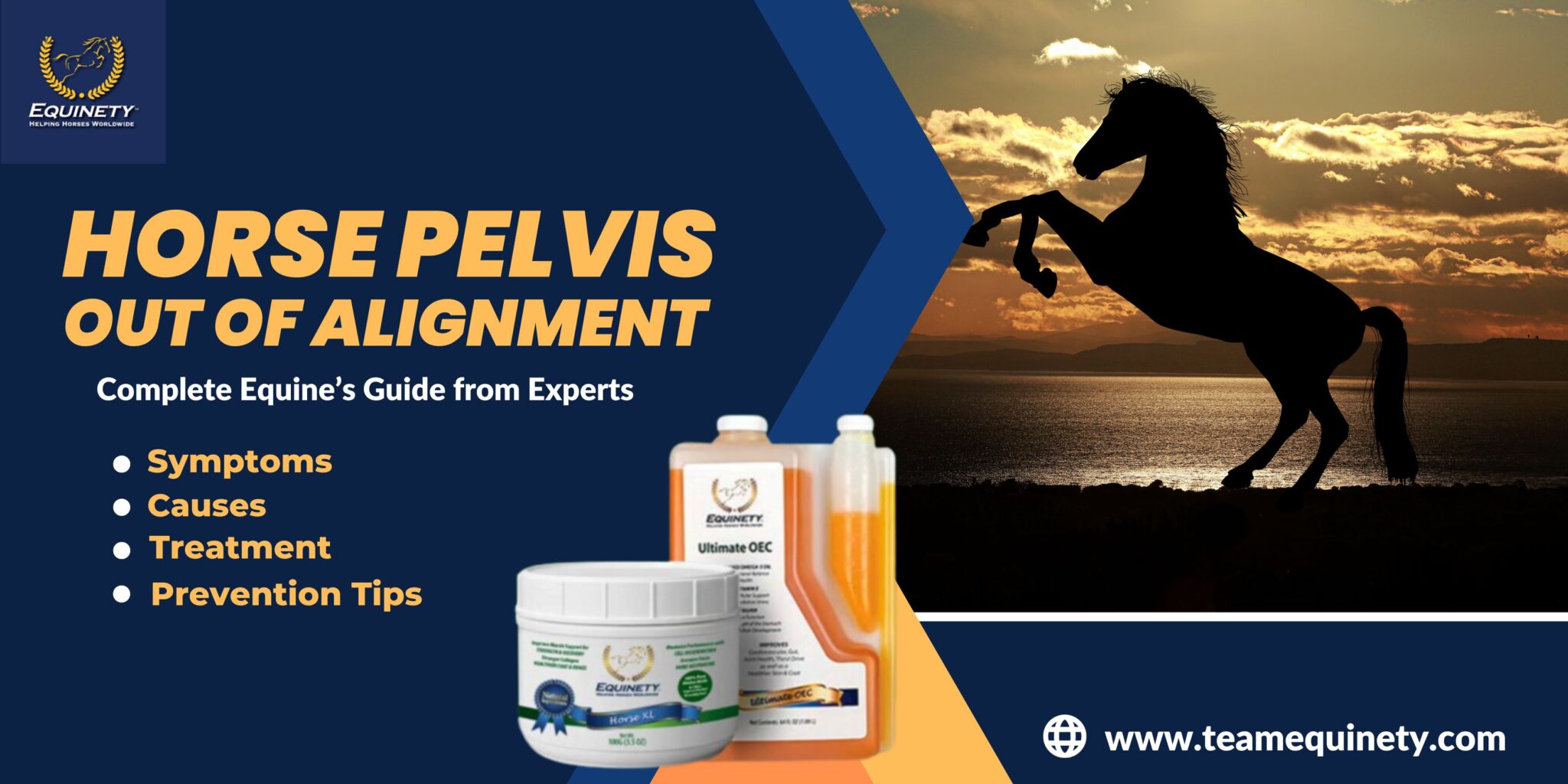
Provide a well-balanced diet to support the muscle and overall health of your equine. The inclusion of natural supplements like Equinety Horse XL and Equinety Ultimate OEC in the diet of equine will ensure joint solid health. These products are comprised of essential vitamins, minerals, amino acids, and colloidal silver that are necessary for the collective health of horses.

Expert’s Equine Guides for You:

Omega-3 Oil vs. Omega-6 Oil Debate: Selecting the Ideal Supplement for Your Horse

Navigating the realm of equine nutrition can be a daunting task, especially when faced with the choice between omega-3 oil and omega-6 oil supplements for your horse. Understanding the fundamental differences between these two essential fatty acids is crucial in making an informed decision. In this comprehensive blog post, we will delve into the Omega-3 Oil vs. Omega-6 Oil debate, equipping you with the knowledge to select the perfect supplement for your equine partner.

1. Omega-3 Oil: The Benefits for Horses:
Omega-3 oil is renowned for its array of health benefits, making it an attractive addition to your horse’s diet. From promoting cardiovascular health and supporting a robust inflammatory response to enhancing joint mobility and fortifying the immune system, omega-3 oil plays a vital role in maintaining overall equine well-being.

2. Omega-6 Oil: The Pros and Cons for Horses:
While omega-6 oil is also an essential fatty acid, it is important to understand its impact on equine health. Omega-6 oil is involved in various bodily functions, including immune response and hormone production. However, an excessive intake of omega-6 oil can lead to an imbalance with omega-3 fatty acids, potentially promoting inflammation and other health concerns.

3. Striking the Right Balance: The Omega-3 to Omega-6 Ratio:
Achieving a proper balance between omega-3 and omega-6 fatty acids is crucial for equine health. Ideally, horses should have a diet that maintains a ratio of omega-6 to omega-3 fatty acids between 4:1 and 10:1. However, modern equine diets often contain higher levels of omega-6 fatty acids, necessitating the need for omega-3 supplementation to restore balance.

4. Choosing the Right Supplement:
When selecting an omega-3 oil supplement for your horse, consider factors such as quality, purity, and sourcing. Look for reputable brands that provide third-party testing and adhere to strict quality standards. Additionally, consult with your veterinarian or equine nutritionist to determine the most suitable supplement based on your horse’s specific needs.

5. Natural Sources of Omega-3 and Omega-6:
While supplements are a convenient option, natural sources of omega-3 and omega-6 fatty acids can also be incorporated into your horse’s diet. Fresh grasses and forage are rich in these essential fatty acids, making access to pasture a valuable component of equine nutrition. Balancing natural sources with supplements can help achieve the desired omega-3 to omega-6 ratio.

6. Dosage Guidelines for Omega-3 Oil:
Dosage guidelines for omega-3 oil can vary based on your horse’s specific needs. It’s recommended to start with a lower dosage and gradually increase it over time. Consult with your veterinarian to determine the optimal dosage for your horse, considering factors such as size, activity level, and overall health.

7. Monitoring and Adjusting Omega 3 Oil in Horse’s Diet:
Once you have introduced omega-3 oil into your horse’s diet, closely monitor their response. Observe any improvements in coat condition, joint mobility, or overall well-being. Regular veterinary check-ups can help assess the impact of the supplement and make any necessary adjustments to ensure your horse’s optimal health.

Understanding the differences between omega-3 and omega-6 oils is vital in selecting the right supplement for your horse. While omega-3 oil offers a myriad of benefits, maintaining a proper balance with omega-6 fatty acids is equally important. By choosing high-quality supplements, considering natural sources, and working closely with your veterinarian, you can provide your equine companion with the ideal fatty acid ratio for optimal health and well-being.

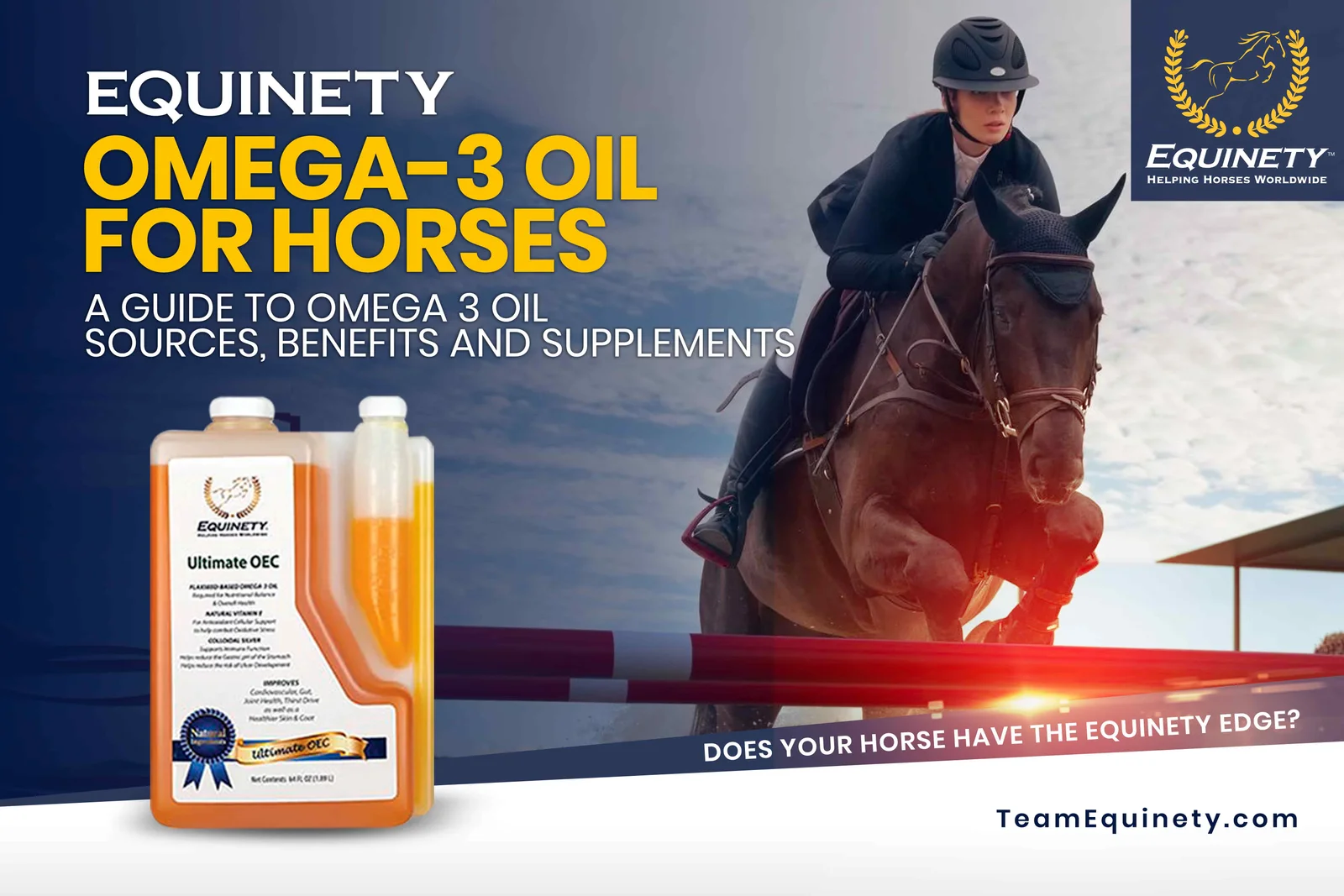
Why Equinety Ulimate OEC is the Best Omega 3 and Omega 6 Supplements. What are the ingredients and benefits of using this horse supplement?

Equinety Ultimate OEC is the combination of omega 3 and omega 6 with the perfect ratio your horse may need. The omega 3 fatty acids in the supplement come from flaxseed oil, while the omega 6 fatty acids come from canola oil. The supplement also contains vitamin E and colloidal silver.

Omega 3 and omega 6 fatty acids are essential fatty acids, which means that horses cannot produce them on their own and must get them from their diet. These fatty acids play a variety of important roles in the body, including:

  • Maintaining healthy skin and coat
  • Reducing inflammation
  • Improving joint health
  • Boosting the immune system
  • Supporting heart health

Equinety Ultimate OEC works by providing horses with a concentrated source of omega-3 and omega-6 fatty acids. This can help to improve their overall health and well-being.

The ingredients in Equinety Ultimate OEC are:

  • Omega 3 Fatty Acids 23,000 mg
  • Omega 6 Fatty Acids 4,200mg
  • Eicosapentaenoic Acid (EPA) 990 mg
  • Docosahexaenoic (DHA) 660 mg
  • Vitamin E (as tocopherols) 1000 IU
  • Colloidal Silver 4.84 mg
  • Flaxseed Oil, Fish Oil (Anchovy), Natural Flavor

The supplement is available in a liquid form and is typically administered by mixing it with the horse’s feed. The recommended dosage is 1 ounce per 1,000 pounds of body weight.

Equinety Ultimate OEC is a safe and effective supplement for horses. It is important to note that the supplement should not be used in horses that are allergic to flaxseed or canola oil.


Here are some of the benefits of Equinety Ultimate OEC:

  • Improves skin and coat health
  • Reduces inflammation
  • Improves joint health
  • Boosts the immune system
  • Supports heart health

If you are considering using Equinety Ultimate OEC for your horse, it is important to talk to your veterinarian first. They can help you determine if the supplement is right for your horse and can give you specific instructions on how to administer it.


Laminitis In Horse: Causes, Symptoms, Treatment and Prevention (2023)

What is Laminitis in Horses?

Laminitis is a common disease found in horses that is damage and inflammation of the tissues between the hoof and coffin bone due to hormonal disorder. It is a painful condition that affects 1 horse in every 10 horses every year, so it should be diagnosed and treated at its early stages.

Front hooves are mainly affected by laminitis that bears the weight of horses. It is a veterinary emergency, so it is better to contact your vet immediately for proper diagnosis and quick treatment.

Founder Vs. Laminitis: Are they the Same or Different?

Many horse owners feel confused while differentiating between founder and laminitis, so they consider both the same disease. Laminitis is inflammation within the laminae of the horse feet, whereas founder is a broad term that is a severe form of laminitis used to describe this disease.

We can call them almost the same diseases but different in severity. When a horse is experiencing founder, then its hoof is inflamed, and the blood supply is compromised. Bones become separate from the hoof wall due to the weight of the horse’s body. Many factors contribute to horses’ laminitis, but it is mainly in senior horses.

Symptoms and Early Signs of Laminitis In Horses:

Laminitis is a painful situation affecting the feet of thousands of horses daily. It is essential to know about the symptoms and early signs of laminitis in equines for quick treatment.

1. Pain:

If your equine faces much pain in its toe region when it is applying pressure on them during work or performance, it may be a sign of laminitis. It is due to the separation of bone from the hoof wall that is observed easily when the feet handle the body’s weight.

2. Lameness:

Laminitis is responsible for lameness in horses because their feet do not bear body weight. You can experience this situation when a horse is turning in circles.

3. Flat Feet:

Hooves of the healthy horse grow from the front and slower in heels, which are essential for the smooth functioning of their feet. In the case of laminitis, the growth of heels will be more rapid than the toe. So your horse will experience a distorted hoof shape and unusual rings.

4. Hot Hoof:

Horses must undergo challenging exercises and a strict daily working routine that can result in hot hooves, but this situation should not last for hours. Blood is supplied in large quantities into their feet that cause hotness in feet. But if it does not last after a couple of hours, it might be a sign of laminitis in the equine.

5. Increased Heart Rate:

Laminitis is also responsible for increased heart rate in horses because their painful hooves lead to enhanced heart rate.

6. Infection:

If your equine hooves got some infection, it might be possible that it is an early sign of laminitis. When the bones of the horses separate from the hoof wall, there are more chances that it will happen due to any infection in their feet.

How to Make a Diagnosis for Laminitis in Horse?

Proper monitoring of physical changes in the hooves of your equine is the best and easy way to diagnose laminitis. If you experience any lameness in one or more feet of equine, you should consult a vet immediately, as it is an early sign of laminitis.

You can diagnose Hot hooves for an extended period can be diagnosed physically to identify laminitis in equine. The appearance of growth rings around the hoof wall indicates laminitis.

Common Causes of Laminitis In Horses:

There are a few common causes of laminitis in horses. If you own a horse, then you should be familiar with them. They are the following:

1. Hard Surfaces:

If your horse works on hard surfaces like on the road, it will lead to laminitis in them easily. If a horse works fast on hard surfaces for a prolonged time, it will affect the laminae, and bone will separate from the hoof.

2. Overeating:

Horses have relatively small stomachs. Feeding excess sugar and starch will produce lactic acid and cause acidity of the hindgut. Uncontrolled obesity will cause a metabolic disturbances, such as insulin resistance, chronic lameness, and laminitis.

3. Inflammation:

Inflammation in the tissues between the bone and hoof will result in laminitis. It will change the standard shape and instability of the pedal bone within the foot.

Treatment of Laminitis In Horses:

Early diagnosis and treatment of laminitis are essential for a better chance of recovery. So you can choose the following options for treating this disease in your equine.

1. Natural Treatment:

Natural treatment of laminitis has shown impressive results. If your equine is experiencing this disease, you can follow natural remedies.

2. Good Diet:

The nutritional requirements of a horse suffering from laminitis are enhanced. So it is better to supply it with low-sugar, low-carb, and high-fiber feed. Low protein hay and good quality grass hay will help your equine to overcome this situation conveniently.

3. Bots and Pads:

Using bots and pads is beneficial for reducing the pain of laminitis in horses. If the hoof wall of your equine is not too distorted, then it will be an excellent natural remedy for them to overcome this disease.

4. Peaceful Environment:

A horse suffering from laminitis requires a peaceful environment for proper movement and exercise. Provide a stress-free environment for your horse to move through soft terrains to repair damaged hooves.

5. Herbs:

Comfrey, rosehips, nettle, and kelp are natural herbs that are beneficial for horses to increase blood circulation in their hooves. Turmeric is another good option that is a pain killer and anti-inflammatory, so your horse will start recovering from laminitis effectively.

Best Supplements to Treat Laminitis:

Adding the best natural supplement to horses’ diet is a good way of treating laminitis, so that you can go for the following supplements.

1. Equinety Ultimate OEC:

Equniety Ultimate OEC is one of the best products that are beneficial for horses suffering from laminitis. It contains natural ingredients that will help your equine support their joint and bone health. This product includes natural vitamin E, colloidal silver, and flaxseed-based omega 3, which will boost your equine’s immunity system and enable it for speedy and safe recovery. It is antioxidant, anti-inflammatory, and antibacterial to maintain healthy muscles and the immune system.

2. Equniety Horse XL:

Equinety Horse XL is another natural product that will promote cellular repair with the help of 8 different amino acids that are present in it. It will provide strong bones and a healthier coat for your horse. Cracked and torn hooves and laminitis can be cured with the help of this fantastic product.

Combining Equintey Horse XL and Equinety Ultimate OEC will make a powerful natural supplement. It will not provide the best results in laminitis but also improve the overall health of your equine will also be improved.

3. New Treatments and Safe Methods:

Pain relief therapies are beneficial and considered a safe method to treat horses passing from laminitis. With the help of cold therapy temperature of hooves will be controlled, which is beneficial for overcoming laminitis.

Antioxidants are required to reverse the free radical damage. So providing a natural supplement like a combination of Equinety Horse XL and Equniety Ultimate OEC will be a great source of sufficient quantity of antioxidants in their diet, and it is also completely safe.

Recomended for You:

How to Prevent Laminitis in Horses?

Laminitis is not uncommon in horses, but with the help of a few prevention measures, you can reduce the risk of disease in your horse. Monitor the weight of your equine regularly and go for mild-level exercise to keep it healthy and efficient.

Minimize the number of starches and sugar in the horse’s diet because they are the main contributing factor in laminitis, especially in senior horses. Frequent changes in feeding patterns and diet are also dangerous for horses, so keep these changes at a minimum. Provide high-quality hay to your horse and free access to fresh water for keeping their health at an ideal level.

Final Thoughts:

Laminitis is a severe disease that can ruin the whole career of a performance horse and affect their health badly. It is better to regularly check the equine’s physical appearance and feed quality.

The use of natural herbs and a good diet is beneficial to cure this disease more conveniently. You can use natural supplements like Equinety Ultimate OEC and Equinety Horse XL in your diet. They will enable your equine to fight laminitis and improve overall health.


Best Horse Joint Treatment Diet and Supplements 2023

Joint problems are painful for horses, and they also cause inflammation in them. Different horses face different types of joint diseases affecting bursae, cartilage, underlying bones, surrounding tendons, fluid within joints, and joint membranes.

A horse suffering from a joint disease has to face many challenges in daily activities. On average, 60% of lameness in horses is due to joint issues. You should not ignore it if your horse is experiencing any sign of joint problems. Many horses do not show any sign of lameness when facing inflammation or damage in joints. With the help of early diagnosis and proper prevention, you can manage joint diseases in your equine.

Why are Joint Supplements Necessary for Horses?

Horse joint supplements are readily available and best for curing many joint diseases. These supplements will help your equine quickly move and reduce the impact of joint stress by providing maximum support to them.

If you are providing the best natural joint supplement to your horse, then it will keep him healthy by providing a smooth movement.

Joint supplements are capable of repairing and stabilizing joint-related changes in horses. If your horse is not facing any joint issues, it still needs joint supplements to control any natural wear and tear in joints. Joint supplements are also beneficial when any joint injury is detected because they can save the horse from joint trauma and other serious consequences. These are the reasons behind the popularity of joint supplements among horse owners.

How to know when your Equine Need Joint Support?

If you owe any horse, then you should be aware of any change in the appearance and performance of the horse. Many symptoms will help you in detecting any kind of joint issues in horses.

1. Decrease in Performance:

If your horse shows intolerance in exercise or work, it may be due to joint issues. The strength of joints is essential for the proper functioning of horses. If your equine’s performance is low, you should consult a vet for diagnosis of any kind of joint disease.

2. Swollen Joints:

Swollen joints are a visible sign of joint issues in horses as it can be due to inflammation. Arthritis is a common disease in horses that can result in the swelling of joints.

3. Reluctance to Exercise:

Exercise is necessary for horses, and they also love to do it regularly, but if your horse is reluctant to exercise, it may be due to joint problems. If your horse wants to spend more time lying down, it may be due to joint pain.

4. Uneven Gait:

One of the main reasons behind uneven gait in horses is a joint problem. A horse suffering from the joint disease will be unable to perform and experience uneven gait.

5. Appetite Loss:

If your horse stresses due to joint issues, it will show poor appetite. Horses spend most of their time grazing, but if your equine is reluctant to feed, it may be due to a joint injury.

6. Stiffness:

Stiffness in horses can result from various injuries, most commonly joint injuries. You can observe it easily when your equine moves forward, so you should know of any joint issue in this condition.

7. Trouble in Walking:

Joints provide maximum support to horses while walking. In joint injury or disease, your equine will face many difficulties walking. The joints of the horse will not be able to perform typically.

8. Lameness:

Your equine will experience lameness because of any pain in joints or muscles. If your horse is young and still showing lameness, you should check for any joint injury in them.

9. Pain in Back:

Different joint issues can cause pain in the back of horses. Poor saddle fit and arthritis can lead to back pain due to joint injury.

10. Swelling in Lower Leg:

The soft tissue of horses will swell in case of joint injuries. So if your horse is experiencing swelling in the lower leg, it might be due to joint disease.

Important Nutritional Value Provided by Joint Supplements:

Joint supplements contain the essential nutritional value necessary for the best support of joints. Following are the essential nutrients that a best joint supplement contains.

  • Hyaluronic Acid:

Hyaluronic acid helps reduce the deterioration in horses’ joints caused by oxidative stress. Senior horses commonly face such stress. So with the help of natural joint supplements for your equine, you can overcome this situation.

  • Glucosamine:

Glucosamine is also beneficial for horses to tackle arthritis, and it also slows down cartilage degradation.

  • Minerals:

The availability of proper mineral nutrition in horses’ diets is helpful for joint problems. It includes potassium, phosphorous, calcium, chloride, and sodium.

  • Antioxidants:

Antioxidants such as vitamins C, E, and selenium protect against joint issues. A joint supplement contains sufficient antioxidants to keep horses’ joints healthy and effective.

List of Best Horse Joint Supplements:

Adding the best natural supplement to your horse’s feed is essential to keep it healthy and capable of fighting against different joint diseases. The following are the best joint supplements for equine in 2023.

  • Equinety Horse XL:

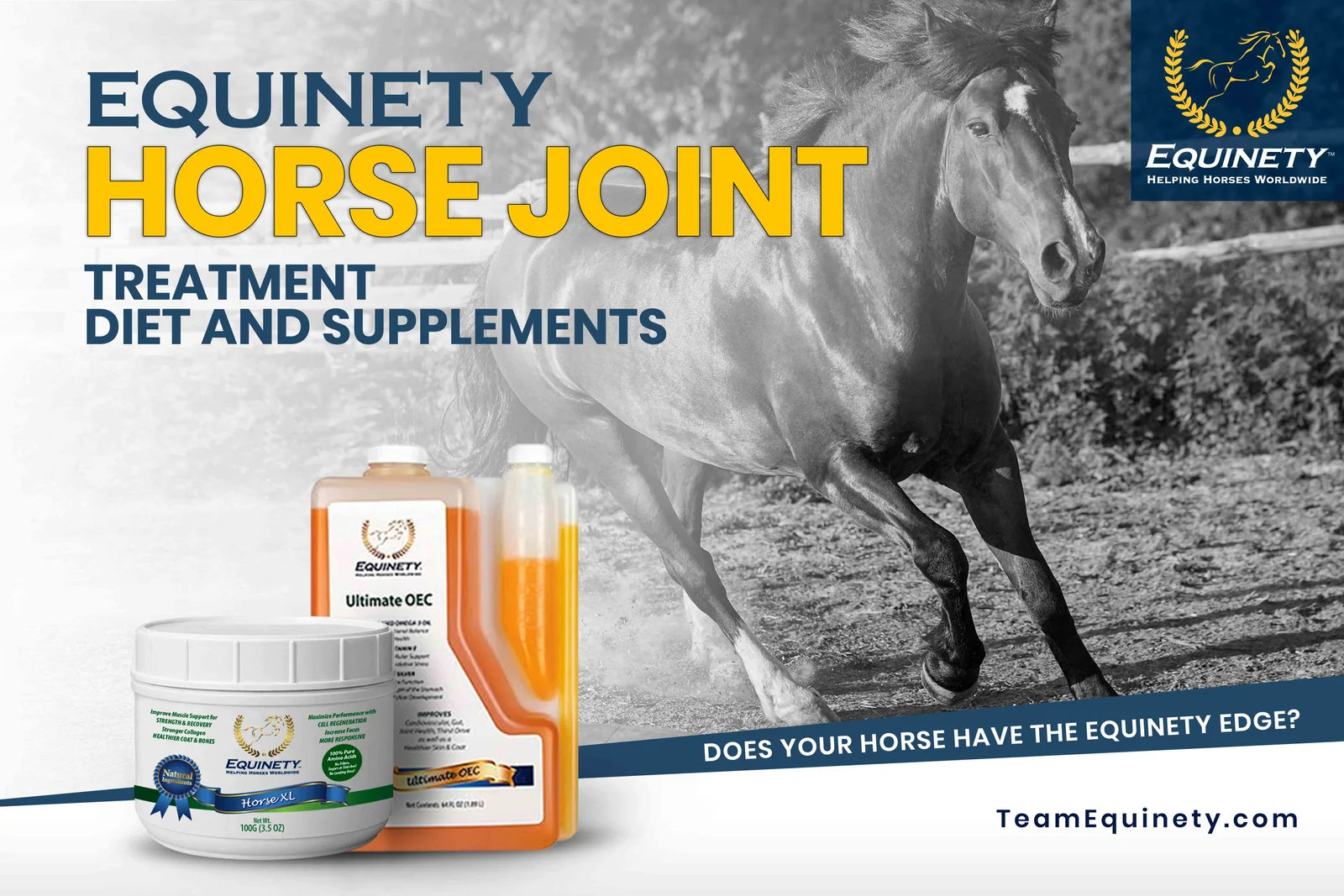
Equinety Horse XL is one of the best natural products for your equine to prevent any kind of joint disease in them. It promotes cellular repair with the help of 8 different amino acids. After adding this supplement to the feed of your equine, it will improve muscle support for strength and recovery. Its formula contains necessary ingredients that are beneficial for more vital collagen, healthier coats, and bones. It will improve the horse’s joint health and maximize its performance with cell regeneration.

This product comprises 100 percent natural amino acids without starches, soy, fillers, and sugar. If your horse is suffering from any kind of joint issue, then it is the best product to boost its health and performance.

  • Equinety Ultimate OEC:

Equinety Ultimate OEC is another best product for those horses that are experiencing any kind of joint injury or pain. This product contains colloidal silver, natural vitamin E, and flaxseed-based omega 3 that will provide maximum support to the joint of your equine.

If your equine faces joint, skin, and coat issues, then add this natural product to its feed. By combining Equinety Ultimate OEC and Equinety Horse XL, you will get the best natural supplement for your equine that will not only provide support in joint issues. But the overall health of the equine will also improve.

  • Recommended Joint Supplements for Senior Horses:

Joint diseases are more common in senior horses because their bodies do not provide maximum support, and they are more vulnerable to joint diseases. We recommend Equinety Horse XL and Equinety Ultimate OEC as senior horses’ best natural joint supplements. This supplement will support joint, cardiovascular, and gastric health and boost the immune system.

Related Posts for You:

Conclusion:

Most horse owners search for the best joint supplements for their equine because joint injuries and diseases are common in horses these days. Joint supplements are beneficial not only for horses facing any joint disease or senior horses, but these supplements are also ideal for young horses to keep them away from any kind of joint problem. Natural joint supplements like Equinety Horse XL and Equinety Ultimate OEC are the best products for horses experiencing joint injuries or other joint issues.


Soft Tissues Injury Types and Treatments in Horses

Soft tissue injury is one of the most common injuries that a horse can face. If we talk about athletic horses, unfortunately, they have more chances of getting a such injury. A soft tissue injury is challenging to diagnose and manage, so a horse takes more time to overcome this situation.

It is essential to diagnose soft tissue injury in your horse; otherwise, it may lead to big problems. After a soft tissue injury, your horse may look fine, but it will cause lameness for months or years. It can also force an athletic horse to retire, so we can say that prevention is the best treatment for such kinds of injuries in your equine.
Types of Soft Tissue Injuries:

A horse can face different types of soft tissue injuries, so you must be familiar with them before diagnosing any injury and its treatment. Following are a few examples of soft tissue injuries your equine can face in any life span.

1. Muscle Injuries:

Muscle injuries are a significant source of causing poor performance and lameness in equine due to stepping the wrong way or falling. If your horse is experiencing sensitivity to palpation, lameness, or muscle swelling, you should consult with Vet immediately.

2. Ligament Injuries:

Ligament injuries are also related to soft tissues injury as they are elastic soft tissue structures that connect bones with joints. Ligament injury occurs due to an excessive force placed on the joint of the equine that may be due to turning at speed.

3. Tendon Injuries:

Tendons attach muscles to the bones of the equine, and such injury occurs mainly during exercise, especially if horses are on the unlevel ground or jumping at speed. This injury can be minor with minimal fiber damage, and it can also be a significant injury that will result in complete tendon rapture.

Natural Treatment for Soft Tissue Injury with Supplements:

Horses are always at risk of injury because of their routine. So if your horse is facing a soft tissue injury, you should go for natural treatment with supplements to boost the recovery process. Nutritional support plays a vital role in the recovery of soft tissues and will also provide the proper strength to your horse to overcome this situation.

Restriction in inflammation is necessary to recover your equine from soft tissue injury. So it is recommended to add omega-3 supplements to the nutrition of it.

Equinety Ultimate OEC is the best natural product for any horse facing a soft tissue injury because it contains natural Vitamin E, Colloidal Silver, and Flaxseed Based Omega 3. This product is ideal for supporting the joint health of your equine and boosts the immune system.

Equinety Ultimate OEC has an anti-inflammatory formula that will help replenish the repaired cells, and your horse can recover faster. This formula also provides maximum support to the immune system of horses, which results in more stamina and healthy joints.

Equinety Horse XL is another natural product for horses facing soft tissue injury because it contains 8 amino acids necessary for the smooth performance of your horse and recovery from injuries.

Amino acids are crucial if your horse is facing a soft tissue injury because they help in cellular repair and the creation of proteins in the body. Muscle tissues and organ tissue injuries can cure naturally with the help of this product.

You can combine both products mentioned above to make a perfect natural supplement for your equine that will help speed the recovery process for soft tissue injury and provide your horse with what it needs. This supplement is ideal for all types of horses, irrespective of their job, as it contains all types of necessary ingredients that will help in fast recovery and a robust immune system.

Treating Knee Injuries in Horses:

If your horse is experiencing a knee injury, you should treat it immediately. Otherwise, it will take time to complete recovery. Pain and swelling in the knee of the horse is the main symptom of a knee injury, so if your horse is facing difficulty in movements of joints, then you should consult a Vet because there are more chances that this difficulty is due to soft tissue injury.

Give proper rest to the knee of the horse; apply ice on the knee as it will reduce swelling. A compressive bandage will help in providing comfort to the horse.

Use a natural supplement like a combination of Equinety Horse XL and Equinety Ultimate OEC for a speedy recovery from any kind of knee injury. These products contain omega 3, amino acids, and other necessary ingredients required for the cellular repair and boosting of the immune system of horses.

Soft Tissue Injury Recovery Time for Horses:

Proper rest and a balanced diet with some natural supplements are necessary for recovery from soft tissue injury. Add a natural supplement like Equinety Horse XL and Equinety Ultimate OEC to your equine’s nutrition to reduce the horse’s recovery time.

If your equine is facing a primary soft tissue injury, it may take up to six months to complete recovery. If we talk about the average time required to recover from soft tissue injury, it will take 3 to 4 weeks to overcome this situation with the inclusion of natural supplements in the horse diet.

Tendon Injuries in Horse:

Tendons attach the muscles to the bones of horses, and they are one of the most common soft tissue injuries in horses. Your horse will experience heat, swelling, and inflammation, and a tendon injury can end the athletic career of equine, so they should be treated immediately.

Consult a Vet for the proper diagnosis of tendon injury, and you can confirm the severity of the injury through an ultrasound scan. In all kinds of tendon injuries, the vets suggest controlled exercises. You can also add natural supplements like Equinety Horse XL and Equinety Ultimate OEC to the horse’s diet to speed up recovery.

Related Guides for You:

FAQs:

1. How to reduce swelling in horses’ legs?

If your equine is facing swelling in the legs due to any kind of soft tissue injury or excessive work, exercise then apply horse leg ice packs as they will help reduce swelling. A proper bandage will also be beneficial for providing comfort to swollen legs of the equine. Your horse will recover quickly from swelling of the legs if you include a natural supplement like Equinety Horse XL in its diet.

2. Why does soft tissue take long to heal?

A soft tissue injury will take a long time to heal, even if your horse undergoes aggressive therapies. You must think about at least 4 to 6 months for the complete recovery of the horse. Your horse has to go through the inflammation, regeneration, and remodeling stages to complete recovery, which is a long process.


Best Joint Support Supplements for Horses (2023)

Joint support supplements are necessary for horses as they improve their health and performance. These supplements provide additional support for the healthy functioning of joints by providing comfortable movement to horses.

If your horse is facing joint stiffness or pain, these supplements will not only relieve them but also improve the performance of your equine. An average horse weighs about 1000 pounds, and supplements are necessary to support its legs.
Vet-recommended Joint Support Supplements for Equine:

Equine veterinarians treat all injured horses and provide their services related to hoof care, vaccination, exercise, therapy, and nutrition. The vet also recommends the best joint support supplements for equine that are crucial for overcoming any joint disorder or providing maximum strength to the joints of horses.

In 2023 you can use the following two products for the best joint performance of your equine so take a look at them below.

Equinety Horse XL is a perfect product for your horse to get the best performance with the help of 100% pure amino acids. This product will enhance the performance of your equine with the help of cell regeneration and increase joint strength.

If your horse is facing joint stiffness or pain, Equinety Horse XL recommends veterinarians get relief from the pain and boost their joint health. This product is equally suitable for working or performance horses. So if your equine is facing focus issues or lacks stamina due to joint problems, then you can use this product.

Equinety Ultimate OEC is a potent antioxidant that will help fight many bacterial diseases in horses, causing joint disorders. The VET recommends combining Equinety Horse XL and Equinety Ultimate OEC to make a perfect supplement for the horse.

VET recommends Equinety Ultimate OEC for supporting joint health, coats, and the healthier skin of horses. It also works as a supplement by boosting the immune system of equine as it contains colloidal silver, natural vitamin E, and Omega 3 oil in it.

Most Effective Joint Support Supplements for Older and Senior Horses:

Joint problems are more common in older and senior horses, so add joint support supplements to their nutrition. There are different ways of supporting your senior horse’s joints, so follow below mentioned ways to get the best performance from older horses and provide maximum support to their joints.

  • Routine Vet Checkup:

A vet checkup is necessary to monitor senior horses’ organ function and joint health. These are common problems that a senior horse has to face. Your vet will regularly check your equine and recommend the best joint supplement.

  • Joint Support Supplements:

There are hundreds of supplements available in the market. If you are looking for a joint support supplement for your senior or older horse, you must be careful while choosing the best one.

Equinety Horse XL and Equinety Ultimate OEC are the two best products for the joint support of equine; that is why VET supports them. These two products come at affordable prices and can provide desired health to the joints of senior horses. If your horse is facing muscle issues, combining these two products will provide maximum support to the organs of senior or older horses.

Natural joint supplement for horses with arthritis:

Arthritis is a widespread disease in horses responsible for causing inflammation and pain. Most senior horses face this degenerative joint disease that results in swelling of joints, uneven gait, and stiffness. You should diagnose this disease early; otherwise, it will worsen, and your horse will have to bear much pain.

There are many natural joint support supplements available for horses with arthritis. So if you want the best supplement, you should use Equinety Ultimate OEC and Equniety Horse XL. These two products best provide maximum support to the joints of your equine, especially if they are senior. You can combine these two products to make a natural supplement for dealing with arthritis because they provide the body with what it needs.

Frequency-Asked Questions about Equine Joint Support:

1. For Joint Support, what is more effective? Injections, Tablets, Liquids, or Supplements?

Many horse owners need clarification when choosing the best joint support product. They cannot compare the effectiveness of different products like injections, tablets, liquids, and supplements.

Joint diseases are common in horses, and if you are also facing the same situation for your horse, you should consult a vet to choose the best solution. If we compare the advantages and disadvantages of injections, tablets, liquids, and supplements for the joint support of horses, then supplements are the best choice.

With the help of a joint support supplement, your equine will not be able to overcome joint issues, but they will also improve the overall health of the horse. Injections and tablets will only provide quick but temporary relief to the horse, so we don’t recommend them.

2. Are joint supplements worth it for horses?

It is another most asked question by the owner of horses, so the simple answer to this question is a big yes. Joint supplements are ideal for performance and working horses because they help them feel best. Joint pain can reduce the performance of horses, and their quality of life is also compromised.

Using the best joint support supplement like Equinety Horse XL and Equinety Ultimate OEC will relieve joints and maintain equine joint health. Your horse will get rid of joint pain and stiffness, and its overall performance will also improve.

3. When Does My Horse Need a Joint Supplement?

Using a joint supplement after showing signs of pain by your horse is not an intelligent technique. It will bring more complications, so your horse starts using joint supplements before the appearance of these signs.

Using joint supplements before the problem arises will help prevent their degeneration, but you can also start them after showing signs of joint pains. A natural joint supplement like Equine Horse XL will help your horse in getting relief from any kind of joint pain and stiffness.

Useful Guides for You: