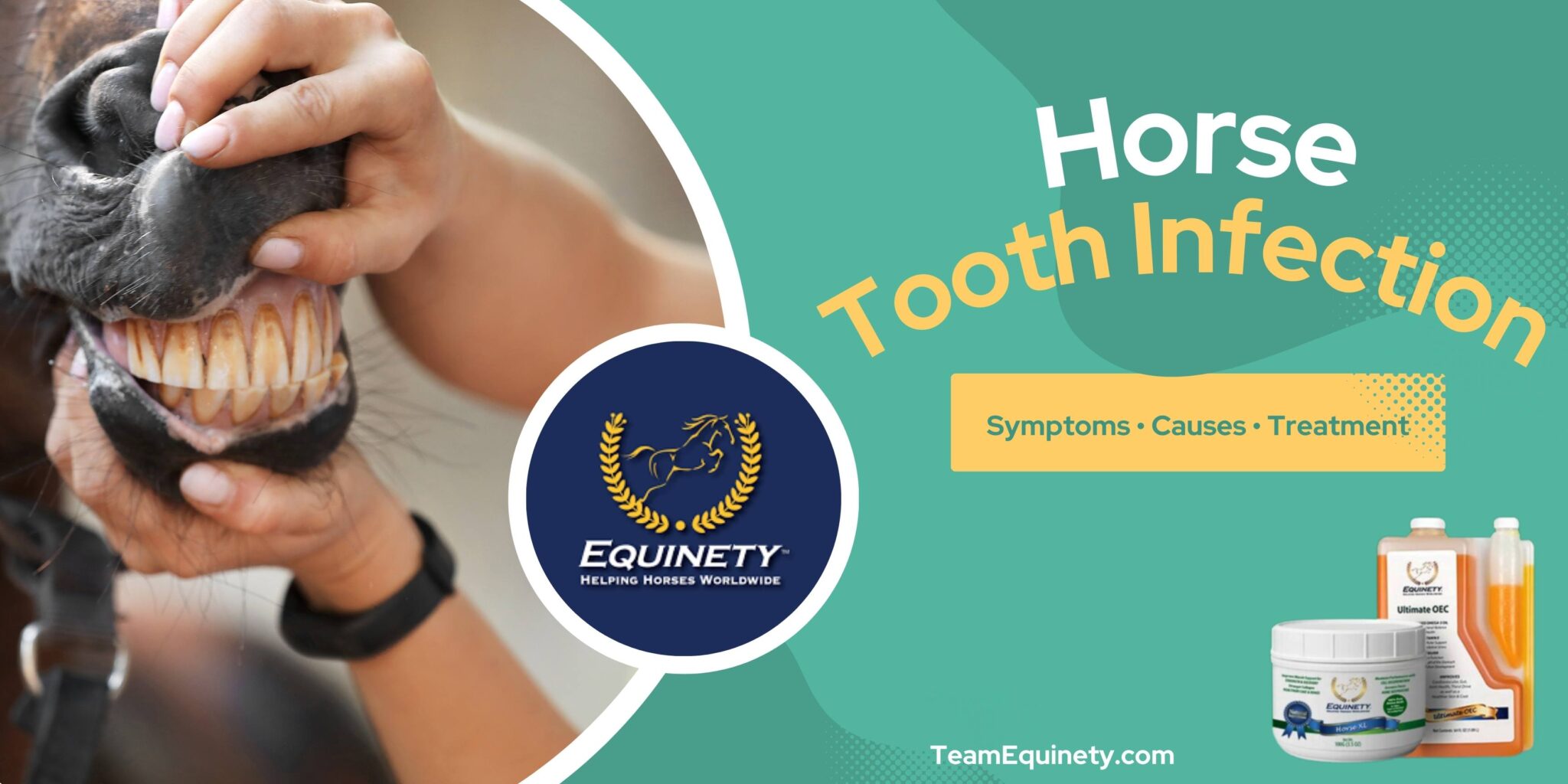
Horses are herbivores as they eat plants. They need to have strong teeth; otherwise, they will not be able to eat correctly, affecting their overall health. Equine dental infections can be painful as these infections primarily infect the teeth and mouth of horses. If these infections are left untreated, then they can cause serious health issues.
If your horse is facing any teeth issues, then you must be aware of the signs of tooth infections as it will help you to understand how to prevent and treat them effectively.
Signs of Horse Tooth Infections:
For early intervention, it is essential to understand the signs of horse tooth infections. So here, you will learn about common indicators of such disorders.
Dental Pain:
A horse facing any kind of teeth infection will experience pain while eating, especially when biting or chewing. If your equine is eating slowly or dropping partially nibbled food, then it is an indicator of discomfort caused by dental pain.
Weight Loss:
Dental pain caused by tooth infections will lead to less food intake and weight loss over time, so if your horse is facing unexplained weight loss, you must check for tooth issues.
Head Tilting:
Horses start tilting their heads or shaking them to alleviate the pain in teeth caused by infection. Head shaking or tilting can also be due to different reasons, but if you are also feeling symptoms of difficulty in eating or chewing, then it can be due to a tooth infection.
Fever:
Dental infections lead to discomfort in horses, and their bodies struggle against the pain. Most of the horses who are suffering from tooth infections also experience fever.
Excessive Salivation:
Excessive salivation or drooling, accompanied mainly by lousy breath, is another sign of discomfort in the mouth that may be caused by infection in teeth.
Swelling:
In severe tooth infection, a horse may experience swelling around the nose, face, and jaw. In such conditions, smelling discharge from the mouth or nostrils may occur frequently.
Causes of Tooth Infections in Horses:
If we talk about the causes of tooth infections in horses, then the following are a few common causes.
1. Trauma:
If we talk about the most common causes of tooth infections in horses, then trauma is one of them. A horse can experience trauma while chewing a hard object, for example, a fence post or a stone. When a hard thing hits the mouth of the horse, it can affect the teeth badly and lead to tooth infection.
2. Aging:
Aging is another contributory factor in horse tooth infections. As horse age increases, their teeth become worn down, and they start experiencing different dental issues and tooth infections.
3. Tartar:
Tartar can develop quickly on the teeth of horses, and if it is not treated well on time, then it can contribute to tooth infections.
4. Misalignment of Teeth:
This condition of teeth is known as dental malocclusion, where the teeth of a horse do not meet appropriately while chewing food. It can create sharp points and uneven wear that leads to tooth infection in equine.
5. Food particles:
Food particles between the teeth of the equine are also dangerous and create a favorable condition for infections.
Treatment of Tooth Infections:
Treatment of tooth infections in horses varied depending upon the severity and location of illness. Here are some standard treatment options:
Tooth Extraction:
If the infection in the tooth is of severe condition, then it may need to be extracted if you can’t save it. A tooth extraction should be the last option, but sometimes, it is necessary to prevent further spread of infection.
Pain Management:
During the healing process, it is necessary to go for pain management medications such as anti-inflammatory medicine.
Antibiotics:
A vet can suggest any antibiotic to treat secondary infections because they are suitable for preventing diseases in the teeth of the equine.
Nutritional Support:
You also have to adjust the diet of horses, which can aid in recovery and prevent future dental issues. It would be best if you adopted such a diet plan that contains the necessary nutrients for healthy teeth.
Dental Floating:
For correction of misalignment of teeth, you can adopt dental floating, where a veterinarian uses specialized tools to balance the sharp points and uneven surfaces on the teeth of a horse. It is necessary and helpful in correcting malocclusion, that can minimize the risk of infection in the future.
Prevention of Horse Tooth Infections:
Prevention is always the most effective and less costly than treatment of infections in the tooth of the horse. A few preventive measures explained below can help the horse owners to take for the better dental health of their equine.
1. Regular Dental Checkups:
Regular dental checkups are the best preventive measure for tooth infections in the horse because they will help address any dental issue before it becomes severe. You must consult with a qualified veterinarian for dental checkups of your equine after regular intervals.
2. Monitor Dental Health:
Closely observe the dental health of your equine and look for any signs of discomfort in the mouth. Early detection is quite beneficial as it can make a significant difference in the treatment outcome.
3. Age Appropriate Care:
The dental needs of a horse change with age, so ensure the age-appropriate care of teeth of young, adult, and senior horses.
4. Balanced Diet:
A balanced diet is one of the most important preventive measures for tooth infections in equine. Go for such a diet that contains the necessary amount of vitamins, minerals, and amino acids, as it will ensure not only dental health but the overall health of the equine.
5. Inclusion of Natural Supplements in Diet:
Natural supplements are the best way of ensuring the desired health of the horse, so if we talk about dental infections, then you can also eliminate the risk of them by including natural supplements in the diet of your equine.
Equinety Horse XL and Equinety Ultimate OEC:
Equinety Horse XL and Equinety Ultimate OEC are two unique products that can combine to make the best natural supplement for your equine. This supplement will help your horse in preventing tooth infections. These products contain vitamins, minerals, amino acids, colloidal silver, and other necessary ingredients for the best teeth health. These supplements will help maintain healthy teeth and help in proper chewing and digestion.
Navigating the realm of equine nutrition can be a daunting task, especially when faced with the choice between omega-3 oil and omega-6 oil supplements for your horse. Understanding the fundamental differences between these two essential fatty acids is crucial in making an informed decision. In this comprehensive blog post, we will delve into the Omega-3 Oil vs. Omega-6 Oil debate, equipping you with the knowledge to select the perfect supplement for your equine partner.
1. Omega-3 Oil: The Benefits for Horses:
Omega-3 oil is renowned for its array of health benefits, making it an attractive addition to your horse’s diet. From promoting cardiovascular health and supporting a robust inflammatory response to enhancing joint mobility and fortifying the immune system, omega-3 oil plays a vital role in maintaining overall equine well-being.
2. Omega-6 Oil: The Pros and Cons for Horses:
While omega-6 oil is also an essential fatty acid, it is important to understand its impact on equine health. Omega-6 oil is involved in various bodily functions, including immune response and hormone production. However, an excessive intake of omega-6 oil can lead to an imbalance with omega-3 fatty acids, potentially promoting inflammation and other health concerns.
3. Striking the Right Balance: The Omega-3 to Omega-6 Ratio:
Achieving a proper balance between omega-3 and omega-6 fatty acids is crucial for equine health. Ideally, horses should have a diet that maintains a ratio of omega-6 to omega-3 fatty acids between 4:1 and 10:1. However, modern equine diets often contain higher levels of omega-6 fatty acids, necessitating the need for omega-3 supplementation to restore balance.
4. Choosing the Right Supplement:
When selecting an omega-3 oil supplement for your horse, consider factors such as quality, purity, and sourcing. Look for reputable brands that provide third-party testing and adhere to strict quality standards. Additionally, consult with your veterinarian or equine nutritionist to determine the most suitable supplement based on your horse’s specific needs.
5. Natural Sources of Omega-3 and Omega-6:
While supplements are a convenient option, natural sources of omega-3 and omega-6 fatty acids can also be incorporated into your horse’s diet. Fresh grasses and forage are rich in these essential fatty acids, making access to pasture a valuable component of equine nutrition. Balancing natural sources with supplements can help achieve the desired omega-3 to omega-6 ratio.
6. Dosage Guidelines for Omega-3 Oil:
Dosage guidelines for omega-3 oil can vary based on your horse’s specific needs. It’s recommended to start with a lower dosage and gradually increase it over time. Consult with your veterinarian to determine the optimal dosage for your horse, considering factors such as size, activity level, and overall health.
7. Monitoring and Adjusting Omega 3 Oil in Horse’s Diet:
Once you have introduced omega-3 oil into your horse’s diet, closely monitor their response. Observe any improvements in coat condition, joint mobility, or overall well-being. Regular veterinary check-ups can help assess the impact of the supplement and make any necessary adjustments to ensure your horse’s optimal health.
Understanding the differences between omega-3 and omega-6 oils is vital in selecting the right supplement for your horse. While omega-3 oil offers a myriad of benefits, maintaining a proper balance with omega-6 fatty acids is equally important. By choosing high-quality supplements, considering natural sources, and working closely with your veterinarian, you can provide your equine companion with the ideal fatty acid ratio for optimal health and well-being.
Why Equinety Ulimate OEC is the Best Omega 3 and Omega 6 Supplements. What are the ingredients and benefits of using this horse supplement?
Equinety Ultimate OEC is the combination of omega 3 and omega 6 with the perfect ratio your horse may need. The omega 3 fatty acids in the supplement come from flaxseed oil, while the omega 6 fatty acids come from canola oil. The supplement also contains vitamin E and colloidal silver.
Omega 3 and omega 6 fatty acids are essential fatty acids, which means that horses cannot produce them on their own and must get them from their diet. These fatty acids play a variety of important roles in the body, including:
Maintaining healthy skin and coat
Reducing inflammation
Improving joint health
Boosting the immune system
Supporting heart health
Equinety Ultimate OEC works by providing horses with a concentrated source of omega-3 and omega-6 fatty acids. This can help to improve their overall health and well-being.
The ingredients in Equinety Ultimate OEC are:
Omega 3 Fatty Acids 23,000 mg
Omega 6 Fatty Acids 4,200mg
Eicosapentaenoic Acid (EPA) 990 mg
Docosahexaenoic (DHA) 660 mg
Vitamin E (as tocopherols) 1000 IU
Colloidal Silver 4.84 mg
Flaxseed Oil, Fish Oil (Anchovy), Natural Flavor
The supplement is available in a liquid form and is typically administered by mixing it with the horse’s feed. The recommended dosage is 1 ounce per 1,000 pounds of body weight.
Equinety Ultimate OEC is a safe and effective supplement for horses. It is important to note that the supplement should not be used in horses that are allergic to flaxseed or canola oil.
Here are some of the benefits of Equinety Ultimate OEC:
Improves skin and coat health
Reduces inflammation
Improves joint health
Boosts the immune system
Supports heart health
If you are considering using Equinety Ultimate OEC for your horse, it is important to talk to your veterinarian first. They can help you determine if the supplement is right for your horse and can give you specific instructions on how to administer it.
In the world of vitamins and minerals, Vitamin E stands out as a true powerhouse. From its antioxidant properties to its role in promoting overall health, this essential nutrient deserves our attention. Let’s discuss the wonders of Vitamin E, exploring its benefits, sources, recommended intake, and much more.
1. The Basics of Vitamin E: Vitamin E is a fat-soluble vitamin that exists in eight different forms, with alpha-tocopherol being the most commonly recognized. It acts as a powerful antioxidant, protecting our cells from damage caused by harmful free radicals. This essential nutrient also plays a crucial role in supporting immune function, promoting healthy skin, and aiding in the formation of red blood cells.
2. Antioxidant Superhero: One of the key roles of Vitamin E is its antioxidant properties. It neutralizes free radicals, which are unstable molecules that can cause damage to cells and contribute to various health issues. By combating oxidative stress, Vitamin E helps reduce the risk of chronic diseases, such as heart disease and certain types of cancer.
3. Heart Health and Cholesterol: Vitamin E has been associated with numerous benefits for heart health. It helps prevent the oxidation of LDL cholesterol, commonly referred to as “bad” cholesterol. This oxidation process is a significant risk factor for cardiovascular diseases. By reducing LDL oxidation, Vitamin E contributes to maintaining healthy cholesterol levels and supports overall heart health.
4. Skin Nourishment and Anti-Aging: When it comes to healthy skin, Vitamin E is a true ally. Its antioxidant properties help protect the skin from damage caused by environmental factors like pollution and UV rays. Vitamin E also aids in repairing damaged skin and promoting the production of collagen, a protein that keeps our skin firm and elastic. Regular intake of Vitamin E can contribute to a youthful and radiant complexion.
5. Sources and Recommended Intake: While Vitamin E can be obtained through supplements, it is always best to incorporate natural food sources into our diet. Some excellent sources of Vitamin E include nuts and seeds (such as almonds and sunflower seeds), spinach, broccoli, avocados, and vegetable oils (such as olive oil). The recommended daily intake of Vitamin E for adults is around 15 milligrams (or 22.4 international units).
6. Potential Risks and Precautions: While Vitamin E is generally safe for most people when consumed in recommended amounts, it is essential to exercise caution when considering high-dose supplementation. Consult with a healthcare professional before starting any new supplementation regimen, especially if you have underlying medical conditions or are taking medications that may interact with Vitamin E.
Conclusion: Vitamin E is undoubtedly a nutritional powerhouse that offers a multitude of benefits for our overall health and well-being. From its antioxidant properties that combat free radicals to its role in supporting heart health and nourishing our skin, this essential nutrient should not be overlooked. By incorporating Vitamin E-rich foods into our diet and following the recommended intake guidelines, we can harness its power and optimize our health. Remember, a healthy lifestyle, along with a balanced diet, is key to reaping the full benefits of Vitamin E and living our best lives.
The Potential of Vitamin E Supplements for Horses
In the world of equine nutrition, Vitamin E stands out as a vital nutrient that plays a crucial role in maintaining the health and well-being of horses. From supporting muscle function to boosting immune system response, Vitamin E supplements can be a game-changer for our equine companions. In this comprehensive guide, we will explore the wonders of Vitamin E supplementation for horses, its benefits, sources, dosage recommendations, and much more.
1. The Importance of Vitamin E for Horses: Vitamin E is a powerful antioxidant that helps protect cells from oxidative damage caused by harmful free radicals. For horses, Vitamin E is particularly important due to its role in supporting muscle health, nerve function, and immune system response. Adequate levels of Vitamin E are essential for optimal performance, overall well-being, and a healthy immune system in horses.
2. Benefits of Vitamin E Supplementation: Supplementing horses with Vitamin E offers a range of benefits. Firstly, it supports muscle health and can aid in preventing conditions such as tying up and muscle stiffness. Vitamin E also plays a vital role in promoting a healthy immune system, which is crucial for horses’ ability to fight off infections and illnesses. Additionally, Vitamin E contributes to maintaining healthy nerve function, supporting overall well-being and performance.
3. Sources of Vitamin E for Horses: While horses can obtain some Vitamin E from fresh forage, the levels may vary depending on factors such as soil quality and storage conditions. To ensure horses receive adequate amounts of this essential nutrient, Vitamin E supplements are often recommended. These supplements are available in various forms, including powders, pellets, and oils, making it convenient to incorporate into horses’ diets.
4. Dosage Recommendations: The proper dosage of Vitamin E supplements for horses depends on several factors, including the horse’s age, weight, activity level, and overall health. It is crucial to consult with a veterinarian or equine nutritionist to determine the appropriate dosage for your horse. Typically, the recommended daily intake ranges from 1,000 to 5,000 IU (International Units) for horses, but individual needs may vary.
5. Considerations and Precautions: While Vitamin E supplementation is generally safe for horses, it is essential to consider a few factors. Firstly, the quality and stability of the supplement should be ensured to maintain its effectiveness. Secondly, horses with specific medical conditions or those on certain medications may require tailored supplementation plans. Consulting with an equine professional will help ensure the best approach for your horse’s individual needs.
6. Monitoring and Observing Results: After incorporating Vitamin E supplementation into a horse’s diet, it is crucial to monitor their response and observe any changes. Assessing factors such as muscle health, overall performance, and immune system function can help evaluate the effectiveness of the supplement. Regular veterinary check-ups and open communication with professionals will aid in adjusting the dosage or considering additional interventions if necessary.
Vitamin E supplementation for horses can be a valuable addition to their diet, supporting muscle health, immune system function, and overall well-being. By understanding the importance of Vitamin E, sourcing high-quality supplements, following dosage recommendations, and monitoring horses’ response, we can unlock the potential benefits of this essential nutrient. Remember, every horse is unique, and consulting with professionals will help ensure the best approach for your horse’s individual needs. Embrace the power of Vitamin E supplementation and give your equine companion the support they deserve for a healthy and thriving life.
Harnessing the Power of Natural Vitamin E for Horses
In the realm of equine nutrition, natural Vitamin E emerges as a potent nutrient that plays a pivotal role in maintaining the health and vitality of horses. From bolstering muscle function to enhancing immune system response, natural Vitamin E supplements can prove to be a game-changer for our equine companions. In this comprehensive guide, we will delve into the wonders of natural Vitamin E supplementation for horses, exploring its benefits, sources, dosage recommendations, and more.
1. The Significance of Natural Vitamin E for Horses: Natural Vitamin E is a robust antioxidant that safeguards cells against oxidative damage caused by harmful free radicals. For horses, natural Vitamin E holds particular importance due to its role in supporting muscle health, nerve function, and immune system response. Maintaining adequate levels of natural Vitamin E is crucial for optimal performance, overall well-being, and a robust immune system in horses.
2. Benefits of Natural Vitamin E Supplementation: Supplementing horses with natural Vitamin E offers an array of benefits. Firstly, it bolsters muscle health and can aid in preventing conditions such as tying-up and muscle stiffness. Natural Vitamin E also plays a vital role in promoting a robust immune system, empowering horses to combat infections and illnesses effectively. Additionally, it contributes to maintaining healthy nerve function, supporting overall well-being and performance.
3. Sources of Natural Vitamin E for Horses: While horses can acquire some Vitamin E from fresh forage, the levels may vary depending on factors such as soil quality and storage conditions. To ensure horses receive sufficient amounts of this vital nutrient, natural Vitamin E supplements are often recommended. These supplements are available in various forms, including powders, pellets, and oils, enabling convenient incorporation into horses’ diets.
4. Dosage Recommendations: Determining the appropriate dosage of natural Vitamin E supplements for horses entails considering several factors, such as the horse’s age, weight, activity level, and overall health. It is imperative to consult with a veterinarian or equine nutritionist to ascertain the suitable dosage for your horse. Typically, the recommended daily intake ranges from 1,000 to 5,000 IU (International Units) for horses, although individual needs may vary.
5. Considerations and Precautions: While natural Vitamin E supplementation is generally safe for horses, several factors warrant consideration. Firstly, ensuring the quality and stability of the supplement is crucial to maintain its efficacy. Additionally, horses with specific medical conditions or those on certain medications may require tailored supplementation plans. Seeking guidance from an equine professional will aid in determining the best approach for your horse’s individual needs.
6. Monitoring and Evaluating Results: After integrating natural Vitamin E supplementation into a horse’s diet, diligent monitoring and observation are essential. Assessing factors such as muscle health, overall performance, and immune system function can help evaluate the supplement’s effectiveness. Regular veterinary check-ups and open communication with professionals will facilitate adjusting the dosage or considering additional interventions, if necessary.
Equinety Ultimate OEC Natural Vitamin E Supplement for Horses
Equinety Ultimate OEC is a veterinarian-developed, highly concentrated, and nutritionally balanced flaxseed-based Omega 3 oil with Vitamin E (d-alpha Tocopherols) and Colloidal Silver. Equinety’s Ultimate OEC Formula will help meet the needs of your horse to optimize a competitive edge, faster recovery, more stamina, and immune support.
Equinety Ultimate OECNatural Vitamin E supplementation for horses offers a valuable addition to their diet, promoting muscle health, immune system function, and overall well-being. By comprehending the significance of Equinety Ultimate OEC, we can unlock the potential benefits of this vital nutrient. Each horse is unique, Equinety Ultimate OEC ensures the best approach tailored to your horse’s individual needs. Embrace the power of Equinety Ultimate OECnatural Vitamin E supplement and provide your equine companion with the support they deserve for a healthy and thriving life.
Signs of Vitamin E Deficiency in Horses
Are you curious to unveil the hidden clues that reveal if your beloved equine friend is suffering from a vitamin E deficiency? Look no further! In this captivating and informative description, we will guide you through the telltale signs that horses exhibit when lacking this essential nutrient.
Vitamin E is an essential nutrient for horses, and a deficiency can lead to a number of health problems. Some of the signs of vitamin E deficiency in horses include:
Muscle weakness
Stiffness
Soreness after exercise
Difficulty navigating curbs or hills
Lack of coordination while walking and making tight turns
Carrying the head low
Lying down for longer periods of time
Weight loss
Sallow or pale gums
Poor coat condition
Increased susceptibility to infections
If you notice any of these signs in your horse, it is important to have them examined by a veterinarian to rule out other possible causes and to determine if vitamin E supplementation is needed. Here are some of the diseases that can develop in horses with vitamin E deficiency:
Vitamin E deficient myopathy: This is a condition that affects the muscles and can cause weakness, stiffness, and soreness.
Equine motor neuron disease (EMND): This is a progressive neurological disease that affects the lower motor neurons, which are the nerves that control the muscles.
Nutritional myodegeneration (NMD): This is a condition that affects the muscles of young horses and is caused by a combination of vitamin E and selenium deficiency.
If your horse is diagnosed with vitamin E deficiency, your veterinarian will likely recommend that you start them on a vitamin E supplement. The amount of vitamin E that your horse needs will depend on their individual needs and the severity of their deficiency. In addition to supplementation, there are a number of things you can do to help prevent vitamin E deficiency in your horse, including:
Feeding a diet that is rich in vitamin E-containing foods, such as fresh pasture, alfalfa hay, and leafy green vegetables.
Providing your horse with access to a mineral supplement that contains vitamin E.
Avoiding feeding your horse high-starch diets, as these can interfere with the absorption of vitamin E.
By following these tips, you can help keep your horse healthy and prevent vitamin E deficiency.
What is the best source of vitamin E for horses?
The best source of vitamin E for horses is fresh pasture. Pasture is a natural source of vitamin E, and it is easily digested by horses. However, if your horse does not have access to fresh pasture, there are other good sources of vitamin E, including:
Alfalfa hay: Alfalfa hay is a good source of vitamin E, and it is also a good source of other nutrients that are important for horses, such as calcium and protein.
Leafy green vegetables: Leafy green vegetables, such as kale, spinach, and broccoli, are also good sources of vitamin E.
Whole grains: Whole grains, such as oats and barley, contain some vitamin E. However, the amount of vitamin E in whole grains can vary depending on the type of grain and how it is processed.
Vitamin E supplements:Vitamin E supplements are available in a variety of forms, including liquid, powder, and capsules. When choosing a vitamin E supplement, it is important to choose one that is specifically formulated for horses. At the end of this article, we will unveil one of the best natural vitamin E supplements you can trust and add to your horses’ daily routine.
The amount of vitamin E that your horse needs will depend on their individual needs and the severity of their deficiency. If you are unsure how much vitamin E your horse needs, you should consult with your veterinarian. Here are some additional tips for providing your horse with adequate vitamin E:
Store hay in a cool, dark place. Vitamin E is sensitive to heat and light, so it is important to store hay in a way that will minimize its exposure to these elements.
Avoid feeding your horse high-starch diets. High-starch diets can interfere with the absorption of vitamin E.
Consider adding a vitamin E supplement to your horse’s diet. If you are concerned that your horse may not be getting enough vitamin E from their diet, you may want to consider adding a supplement.
By following these tips, you can help ensure that your horse is getting the vitamin E they need to stay healthy.
FAQs:
Q: How much vitamin E can I give my horse? The National Research Council (NRC) recommends that horses consume 1-2 IU of vitamin E per kilogram of body weight per day. This means that a 500-kilogram (1,100-pound) horse should consume 500-1,000 IU of vitamin E per day.
However, it is important to note that these are just general recommendations. The amount of vitamin E that your horse needs may vary depending on their individual needs and the severity of their deficiency. If you are unsure how much vitamin E your horse needs, you should consult with your veterinarian. Ref: Vitamin E In Horses – UC Davis School of Veterinary Medicine
Q: Is vitamin E supplement good for horses? Vitamin E supplements can be beneficial for horses. – Vitamin E plays a crucial role in supporting muscle health, immune system function, and overall well-being in horses. – Supplementing with vitamin E can help prevent conditions like tying-up and muscle stiffness. It is important to consult with a veterinarian or equine nutritionist to determine the appropriate dosage and usage of vitamin E supplements for horses.
Q: What are the effects of too much vitamin E in horses? Excessive intake of vitamin E in horses can have negative effects. – High levels of vitamin E can lead to toxicity and potential health issues in horses. – Symptoms of vitamin E toxicity in horses may include muscle weakness, diarrhea, and impaired immune system function. It is crucial to provide horses with the appropriate and recommended dosage of vitamin E to avoid potential adverse effects.
Q: What are the normal vitamin E levels in horses? The normal range of vitamin E levels in horses is between 2 and 10 micrograms per milliliter (mcg/mL) of blood plasma. A level below 2 mcg/mL is considered to be deficient, while a level above 10 mcg/mL is considered to be excessive.
Here is a table of the normal range of vitamin E levels in horses, according to the National Research Council (NRC):
Q: How much vitamin E for a horse with EPM? The recommended dose of vitamin E for a horse with EPM is 5,000 to 10,000 IU per day. This is higher than the recommended dose for horses without EPM, as vitamin E is thought to help protect the nerves from damage caused by the parasite that causes EPM. Ref: Equine Protozoal Myeloencephalopathy and Vitamin E
Q: How much vitamin E for Cushing’s horse? The recommended dose of vitamin E for a horse with PPID (pituitary pars intermedia dysfunction), also known as Cushing’s disease, is 5,000 to 10,000 IU per day. This is higher than the recommended dose for horses without PPID, as vitamin E is thought to help protect the horse’s cells from damage caused by the high levels of cortisol that are produced in horses with PPID. It is also important to be aware that too much vitamin E can be harmful to horses. The upper safe limit for vitamin E in horses is 10,000 IU per day for a 500-kilogram horse. If your horse is consuming more than this amount, it is important to reduce their intake. Ref: Management of Equine Cushing’s Disease and Equine Metabolic Syndrome Dana Zimmel, DVM, DACVIM, DABVP
If your horse is ill or injured, it will show constant signs of inflammation in the body. Due to this, most horse owners seek the best anti-inflammatory for horses. There are many inflammatory medicines available, but their long-term use is not suitable for the health of horses, so you should go for the best alternatives.
Over-the-counter anti-inflammatory products manage inflammation and pain in horses because they can improve equine quality of life. Natural products are ideal to use as anti-inflammatories because they will not only tackle the inflammatory issues in equine but also boost their body condition.
Anti-Inflammatory Supplements for Horses:
You can go for a natural anti-inflammatory supplement. It will also be beneficial for the overall health of your equine. Natural supplements help horses reduce inflammation and pain in their body, and they are the best and most natural way to overcome this issue.
Equinety Ultimate OEC is a natural product that most horse owners use to improve their overall health. It acts as an anti-inflammatory product. It will boost the immune system of your equine by neutralizing free radicals, and it is entirely safe for your horse. It contains vitamin E, colloidal silver, and omega 3, making it a potent antioxidant. This product does not have fillers, sugar, or starches; hence it will provide the best results without any side effects.
Equinety Horse XL is another fantastic product with 8 different amino acids. It will maximize the performance of your equine with cell regeneration. You can combine Equinety Horse XL with Equinety Ultimate OEC to make the best natural supplement for your equine that will reduce inflammation and fulfill all body requirements.
Natural Anti-inflammatory Herbs for Horses:
Natural anti-inflammatory herbs have been used since ancient times to improve their health and quality of life. In a natural environment, horses have been self-medicating with herbs. So if you are looking for the best natural anti-inflammatory herbs for your equine, then you should try the following.
1. Turmeric:
Turmeric is a suitable natural herb for horses because it has anti-inflammatory properties. You can feed this herb to your horse as a dietary supplement, as it contains more than 300 active compounds. Turmeric lowers the level of enzymes in the body of the equine, which contributes significantly to inflammation and can also reduce inflammation quickly.
2. Ginger:
Like humans, ginger is also an excellent supplement for horses due to its multiple benefits. So if your equine is facing inflammation, this herb will provide significant relief. The ginger powder reduces inflammation by neutralizing the free radicals that contribute to it. Blood flow in the body of the equine can stimulate with the help of ginger.
3. Garlic:
Garlic is another natural herb that has potent anti-inflammatory and antioxidant properties. This herb contains many anti-inflammatory and anti-pain substances and can also reduce swelling in the body of horses.
How to Reduce Inflammation in Horses?
There are many natural ways of reducing inflammation in horses. You can try any of these below.
1. Hydrotherapy:
Hydrotherapy is one of the most effective ways of reducing inflammation. It is also helpful in enhancing muscle activity and increasing joint mobility. You can use hot or cold water in hydrotherapy, but cold water will be more effective in reducing inflammation and heat. Cold water will reduce and stimulate blood flow and inflammatory mediators, so your horse will get quick relief after this procedure.
2. Massage Therapy:
Massage therapy is another good technique for reducing inflammation in horses. It will support the joints of your equine, and the equine will experience a considerable reduction in inflammation. The scar tissues of the horse will loosen due to massage therapy, and pain will reduce as the equine can move freely.
3. Anti-Inflammatory Diet:
You can minimize the chances of inflammation to some extent with the help of diet. Similarly, adding high minerals and vitamins to the horse’s feed will be much more beneficial if your horse is facing inflammation. Herbs are also quite effective in reducing inflammation. So as mentioned above, you can try ginger, turmeric, garlic, and other herbs because they act as anti-inflammatory products.
4. Anti-Inflammatory Supplement:
A natural anti-inflammatory supplement will be the best remedy to reduce inflammation in horses. Omega 3 fatty acids, minerals, and vitamins minimize the risk of chronic diseases and reduce pain and inflammation.
Equinety Ultimate OEC is a powerful antioxidant and anti-inflammatory that will help your equine boost its immune system and quickly relieve inflammation. You can use this product alone and add Equinety Horse XL to supplement your equine. It will act as an anti-inflammatory supplement, and your equine will also get healthier skin, coats, and muscle health.
FAQ:
Are Anti-inflammatory Drugs Safe for Horses?
Non-steroidal anti-inflammatory drugs are used for horses due to their anti-inflammatory properties, but are they safe?
All anti-inflammatory drugs have side effects, and your equine may face stomach ulcers, kidney failure, urinal issues, and low appetite. We don’t recommend these drugs, although they have a margin of safety. So it is advised to go for herbs and natural supplements for better results without compromising the overall health condition of your horse.
When Horses Need Anti-Inflammatory Medication?
Anti-inflammatory medication to horses without a vet prescription is dangerous. You should use these drugs only after 48 hours of injury or inflammation. We further advise you not to use anti-inflammatory drugs if there is any evidence of complications or your equine is dehydrated. Go for anti-inflammatory medication if inflammation reduces after doing the steps mentioned above and only under the supervision of a vet.