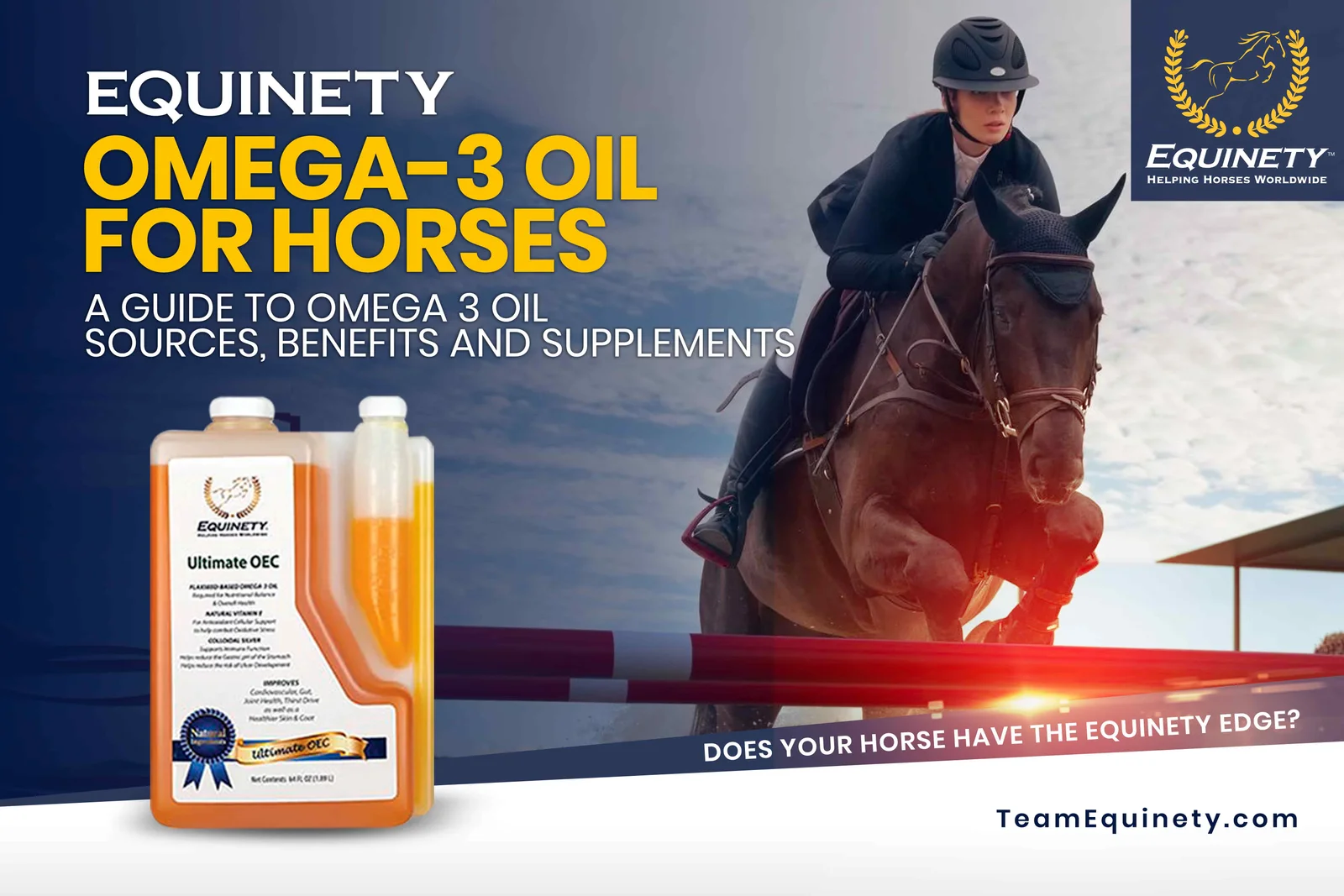
When it comes to equine nutrition, one term that has been making waves is omega-3 oil. But what exactly is omega-3 oil, and how do horses obtain this essential nutrient? In this comprehensive blog post, we will unravel the mysteries of omega-3 oil, exploring its sources and shedding light on the benefits it brings to our equine companions. So, let’s embark on this enlightening journey together!
1. Understanding Omega-3 Oil:
Omega-3 oil belongs to the family of polyunsaturated fats and contains essential fatty acids such as EPA (eicosapentaenoic acid) and DHA (docosahexaenoic acid). These fatty acids are considered essential because horses cannot produce them naturally, necessitating their inclusion in their diet or through appropriate supplementation.
2. Natural Sources of Omega-3 for Horses:
In the wild, horses would obtain omega-3 fatty acids through grazing on fresh grasses and forage. However, modern horse diets, often consisting of processed feeds and limited access to pasture, may lack sufficient levels of omega-3. To ensure horses receive an adequate supply, additional sources need to be considered.
3. Flaxseed: A Nutrient-Rich Powerhouse:
Flaxseed is a popular and readily available source of omega-3 for horses. It contains high levels of alpha-linolenic acid (ALA), a plant-based omega-3 fatty acid that can be converted by the horse’s body into EPA and DHA. Including flaxseed in the equine diet can help bridge the omega-3 gap and provide numerous health benefits.
4. Fish Oil: A Marine Marvel for Horses:
Fish oil is another potent source of omega-3 for horses. Derived from oily fish such as salmon, mackerel, and sardines, fish oil boasts high concentrations of EPA and DHA. It offers a direct and readily available supply of these essential fatty acids, promoting overall health and well-being in equines.
5. Algae: A Plant-Based Alternative:
For those seeking a plant-based omega-3 option, algae is an excellent choice. Algae-based supplements provide a sustainable and environmentally friendly source of EPA and DHA, making it an ideal solution for horse owners looking to minimize their ecological footprint while supporting their horse’s nutritional needs.
6. The Benefits of Omega-3 for Horses:
Incorporating omega-3 oil into a horse’s diet can yield a multitude of benefits. From promoting cardiovascular health and supporting joint function to enhancing immune response and improving skin and coat condition, omega-3 oil plays a crucial role in maintaining overall equine wellness.
7. Choosing the Right Omega-3 Supplement:
When selecting an omega-3 supplement for your horse, it’s important to consider factors such as quality, purity, and sourcing. Opt for reputable brands that provide third-party testing and adhere to stringent quality standards. Equinety Ultimate OEC is an all-natural veterinarian-approved and athletes’ preferred Omega 3 oil supplement for your horse’s specific needs.
8. Introducing Omega-3 Oil into Your Horse’s Diet:
Introducing omega-3 oil into your horse’s diet can be done in various ways. For flaxseed, grinding it fresh or using stabilized ground flaxseed can ensure optimal nutrient availability. Fish oil and algae-based supplements can be easily added to feed or administered orally. Start with small amounts and gradually increase to the recommended dosage to allow for a smooth transition.
Conclusion
Omega-3 oil is a valuable addition to a horse’s diet, providing essential fatty acids that are vital for their overall health and well-being. By understanding the natural sources of omega-3 for horses and the benefits it brings, you can make informed decisions to ensure your equine companion receives the nutrition they deserve. Remember, consult with professionals to determine the most suitable approach for your horse’s individual needs and embark on a journey towards optimal equine health together.
The Benefits of Omega 3 Oil for Horses: Exploring the Role of Essential Fatty Acids in Equine Health
When it comes to maintaining optimal health and well-being in horses, nutrition plays a vital role. One essential component that has gained significant attention in recent years is Omega 3 oil. In this comprehensive blog post, we will delve into the world of Omega 3 oil for horses, exploring its benefits and understanding the crucial role that essential fatty acids play in equine health. So, saddle up, and let’s dive in!
1. The Basics of Omega 3 Oil:
Omega 3 oil is a type of polyunsaturated fat that contains essential fatty acids such as EPA (eicosapentaenoic acid) and DHA (docosahexaenoic acid). These fatty acids are not naturally produced by the horse’s body, making them crucial components that must be obtained through diet or supplementation.
2. Supporting Cardiovascular Health:
Omega 3 oil has been found to have positive effects on cardiovascular health in horses. The EPA and DHA present in Omega 3 oil help regulate blood pressure, reduce inflammation, and improve blood flow. This can have significant benefits for horses, particularly those engaged in strenuous activities or those at risk of cardiovascular conditions.
3. Promoting Joint Health and Mobility:
Horses, especially those involved in athletic activities, are prone to joint issues and inflammation. Omega 3 oil has shown promising results in managing joint health and reducing inflammation. The anti-inflammatory properties of Omega 3 fatty acids can help alleviate joint pain and stiffness, promoting better mobility and overall comfort for horses.
4. Boosting Immune Function:
A strong immune system is crucial for horses to ward off infections and maintain overall health. Omega 3 oil has been found to enhance immune function in horses by supporting the production of immune cells and reducing inflammation. By incorporating Omega 3 oil into their diet, horse owners can help strengthen their horse’s immune systems and promote a healthier, more resilient horse.
5. Enhancing Skin and Coat Health:
A lustrous coat and healthy skin are not only aesthetically pleasing but also indicative of a horse’s overall well-being. Omega 3 oil can help improve skin health by reducing dryness, itchiness, and flakiness. It also promotes a shiny, glossy coat, making your horse look and feel their best.
6. Supporting Reproductive Health:
Omega 3 oil plays a vital role in supporting reproductive health in horses, particularly in mares and foals. The essential fatty acids present in Omega 3 oil are crucial for the development of the fetal brain and nervous system. Additionally, Omega 3 oil can help maintain hormonal balance in mares, supporting their reproductive health.
7. Cognitive Function and Behavior:
Omega 3 fatty acids are not only beneficial for physical health but also for cognitive function and behavior in horses. Research suggests that the EPA and DHA found in Omega 3 oil can improve cognitive function, learning ability, and overall behavior in horses. This can be particularly valuable for performance horses or those undergoing training.
8. Choosing the Right Omega 3 Oil Supplement:
When selecting an Omega 3 oil supplement for your horse, it’s important to choose a high-quality product from a reputable manufacturer. Look for supplements that are derived from marine sources, as they tend to have higher concentrations of EPA and DHA. Additionally, consider the dosage recommendations and consult with a veterinarian or equine nutritionist to determine the appropriate dosage for your horse’s specific needs.
9. Incorporating Omega 3 Oil into Your Horse’s Diet:
There are various ways to incorporate Omega 3 oil into your horse’s diet. Some options include adding it to their feed, using oil-based supplements, or choosing feeds that are already fortified with Omega 3 fatty acids. It’s important to introduce any dietary changes gradually and monitor your horse’s response to ensure optimal results.
Omega 3 oil offers a wide array of benefits for horses, ranging from cardiovascular and joint health to immune function and reproductive support. By understanding the role of essential fatty acids and incorporating Omega 3 oil into your horse’s diet, you can help promote their overall health, well-being, and performance. Remember, always consult with professionals to determine the best approach for your horse and make informed decisions based on their specific needs.
Enhancing Equine Nutrition: Incorporating Omega-3 Oil into Your Horse’s Diet
Omega 3 Oil Best Practices and Dosage Guidelines for Optimal Results
When it comes to providing optimal nutrition for our equine companions, incorporating omega-3 oil into their diet has become increasingly popular. But what are the best practices and dosage guidelines for introducing this essential nutrient? In this comprehensive blog post, we will explore the benefits of omega-3 oil for horses and provide you with practical advice on how to incorporate it effectively. So, let’s dive into the world of equine nutrition and unlock the secrets of omega-3 oil!
1. Understanding the Benefits of Omega-3 Oil for Horses:
Omega-3 oil is rich in essential fatty acids, such as EPA (eicosapentaenoic acid) and DHA (docosahexaenoic acid), which offer numerous benefits for equine health. From supporting cardiovascular function and promoting a healthy inflammatory response to enhancing joint mobility and improving coat condition, omega-3 oil plays a vital role in maintaining overall equine well-being.
2. Choosing the Right Omega-3 Oil Supplement:
When selecting an omega-3 oil supplement for your horse, it’s crucial to consider factors such as quality, purity, and sourcing. Look for reputable brands that provide third-party testing and adhere to strict quality standards. Additionally, consult with your veterinarian or equine nutritionist to determine the most suitable supplement based on your horse’s specific needs.
3. Natural Sources of Omega-3 for Horses:
While supplements are a convenient way to incorporate omega-3 oil into your horse’s diet, there are also natural sources to consider. Fresh grasses and forage are rich in omega-3 fatty acids, making access to pasture a valuable component of equine nutrition. However, if pasture grazing is limited, supplementation becomes even more important.
4. Dosage Guidelines for Omega-3 Oil:
Dosage guidelines for omega-3 oil can vary depending on the specific needs of your horse. It’s recommended to start with a lower dosage and gradually increase it over time. A general guideline is to provide around 1 to 4 ounces of omega-3 oil per day, depending on the horse’s size, activity level, and overall health. However, it’s crucial to consult with your veterinarian to determine the optimal dosage for your horse.
5. Introducing Omega-3 Oil into Your Horse’s Diet:
Introducing omega-3 oil into your horse’s diet can be done in several ways. One common method is to add it directly to their regular feed. Ensure that the oil is mixed thoroughly to prevent any separation or potential wastage. Another option is to use omega-3 oil supplements in the form of capsules or liquid, which can be administered orally.
6. Monitoring and Evaluating Results:
Once you have incorporated omega-3 oil into your horse’s diet, it’s important to monitor their overall health and well-being. Keep an eye out for any improvements in coat condition, joint mobility, or overall performance. Regular veterinary check-ups can also help assess the impact of omega-3 oil on your horse’s health.
7. Adjusting Dosage and Seeking Professional Advice:
If you notice any adverse effects or if your horse’s condition does not improve as expected, it’s essential to consult with your veterinarian or equine nutritionist. They can help evaluate the dosage and make any necessary adjustments to ensure your horse receives the optimal amount of omega-3 oil for their specific needs.
Incorporating Equinety Ultimate OEC an omega-3 oil into your horse’s diet can have significant benefits for their overall health and well-being. By understanding the benefits, choosing this supplement, and following dosage guidelines, you can provide your equine companion with the essential fatty acids they need for optimal nutrition.