Horse Pelvis Out of Alignment: Symptoms, Causes, Treatment and Prevention

A horse pelvis is a complex structure that connects the hindquarters to the spine. It comprises three bones: the Ilium, the Pubis, and the Ischium. The Pelvis of the horse is designed to support the internal organs, and it has a significant role in the movement of the equine.

When the Pelvis of a horse is misaligned, it can lead to many performance and health-related issues. It is essential to ensure the pelvis health of a horse for its overall health and smooth functioning.
Functions of Horse Pelvis:

The horse pelvis performs a variety of functions that include:

  • Movement:

The Pelvis helps horses in mobility by allowing the coordinated movement of hind limbs, which is essential for work and athletic activities.

  • Weight Support:

The Pelvis supports the weight of the horse and rider, and it also distributes evenly to the legs.

  • Protection of Internal Organs:

The Pelvis is also supposed to protect vital internal organs, such as the digestive and reproductive systems, for the smooth functioning of the equine body.

Horse Hip Injury and Hip Disorders:

Horse hip injury and hip disorders are responsible for the misalignment of the Pelvis. The hip and Pelvis of a horse play an essential role in the movement, and any injury or illness in such areas can lead to pelvis-related issues.

Any hip injury or disorder leads to compensatory changes in the movement of the equine and its posture. These changes can affect the alignment of the Pelvis, so early diagnosis, appropriate treatment, and proper rehabilitation are crucial for overcoming any damages caused to the Pelvis of a horse due to hip injury or disorder.
Symptoms of Misaligned Pelvis:

Symptoms of misaligned Pelvis vary according to the severity of the condition, but the following are a few common symptoms:

1. Lameness:

A horse that is facing any kind of misaligned Pelvis will experience lameness. It is also reluctant to bear weight on one or both hind limbs. It creates a painful situation for the horse during movement.

2. Performance Issues:

If you are experiencing a sudden decrease in the performance of your horse, like a decrease in speed or agility, then it may be due to Pelvis. A horse suffering from a misaligned Pelvis will not be able to perform its routine tasks like an average horse.

3. Pain and Discomfort:

A horse with a misaligned Pelvis will show signs of pain and discomfort in the hip region when palpated. It will also feel difficulty in warming up and show reluctance to move freely.

4. Behavioral Changes:

Behavioral changes in the equine can also cause a misaligned pelvis, which may become irritated or aggressive because of discomfort. If you are horse is showing any sign of behavioral changes, then you should be worried about any pelvis disorder.

5. Difficulty in Turning:

Difficulty turning or backing up is another visible symptom of a misaligned pelvis because the hip region feels pain during the sharp turning of the horse. The altered posture that includes a raised or dropped hip due to the Pelvis also makes it difficult for the horse to turn quickly.

6. Stiffness:

A horse with a misaligned pelvis experiences reduced flexibility in hind limbs, showing reluctance in lateral movements.

Causes of Misaligned Horse Pelvis:

Horse pelvis can be misaligned due to different factors, so if we talk about common causes, they are following.

1. Injury or Trauma:

Injury or trauma can lead to a horse’s Pelvis being out of alignment, such as a kick, traumatic fall, accident, or collision. If the hip region of the horse is affected, then it can lead to misalignment of the Pelvis.

2. Excessive Exercise:

Horses are vital as they are trained to do complex tasks. But at the same time, excessive workload and exercise are also quite dangerous for them. Overexertion or excessive exercise can contribute to misalignment of the Pelvis over time.

3. Muscular Imbalance:

Muscular imbalances affect the health of the equine badly, and these imbalances often occur due to one-sided training, which can result in pelvis misalignment. Poor saddle fit causes discomfort and disrupts the alignment of the Pelvis.

4. Joint Diseases:

Any degenerative joint disease can cause misalignment in the Pelvis of the horse. Osteoarthritis is one of the common joint diseases that can lead to pelvis disorder. It causes inflammation, cartilage damage, and bone changes, so monitor the collective health of your equine closely.

5. Hoof Problems:

The hoof of a horse works as the foundation of its entire body, and when a horse experiences lameness, improper trimming, improper trimming, or uneven wear, it affects the hooves badly. These hoof problems place strain on muscles that are connected to support the Pelvis and result in its misalignment.

6. Unfitted Tack:

If the saddle, girth, or other equipment is not adjusted correctly on the horse’s body, they create pressure on the shoulders and back of a horse. Over time, these issues become severe and result in a misaligned pelvis.

Treatment of Misaligned Pelvis:

Treatment of a misaligned pelvis of the horse is a combination of different factors, so for effective treatment, you can consider the following points.

  • Consult with a Veterinarian:

Misalignment of the Pelvis is quite a painful condition for horses. If it is not treated at early stages, it can lead to severe consequences. If your horse is experiencing such a condition, then you must consult with a qualified veterinarian. With the help of physical examination and imaging techniques like X-rays, the Vet can assess the extent of misalignment and the device’s best remedies.

  • Pain Management:

Pain management through medication is necessary to keep the horse comfortable, which will help in the proper treatment of the Pelvis.

  • Physical Therapy:

Physical therapy, like a tailored exercise program, can help strengthen the pelvic muscles and improve balance. Electric stimulation and ultrasound also aid in muscle recovery of the hip region.

  • Rest:

A horse that is suffering from pelvic disorder will feel pain and discomfort, especially at the time of movement. It is necessary to limit its movement as it will help the Pelvis to heal. Excessive rest is also not good for pelvis health, so a gradual reintroduction to training and work is also beneficial for overcoming pelvis issues.

Preventing Horse Pelvis Misalignment:

Prevention is always better than treatment, so with the help of a few precautionary measures, you can reduce the chances of pelvis misalignment in your equine.

1. Maintain Healthy Weight:

Overweight horses are more vulnerable to pelvis-related issues. So it is better to maintain the healthy weight of your equine according to age.

2. Regular Trimming of Hooves:

A strong hoof provides a solid basis to the body of a horse, so with the help of regular trimming of hooves, your equine will pose vital physical and Pelvis health.

3. Proper Fitted Tack:

Unfitted tack is one of the leading causes of pelvis misalignment over time, so always ensure that the tack of your horse fits appropriately.

4. Balanced Training:

Ensure a balanced training program for your equine that develops both sides of the horse equally so that the Pelvis is aligned correctly. Adequate warm-up and cool-down time before and after training can prevent muscle strain and ensure the Pelvis’s health.

5. Regular Veterinarian Checkups:

Regular veterinarian checkups will help you catch any issues early and provide quick treatment. The Vet will also ensure the saddle fits correctly so as not to create pressure points that can contribute to pelvis disorders over time.

6. Nutrition and Diet with Natural Supplements:

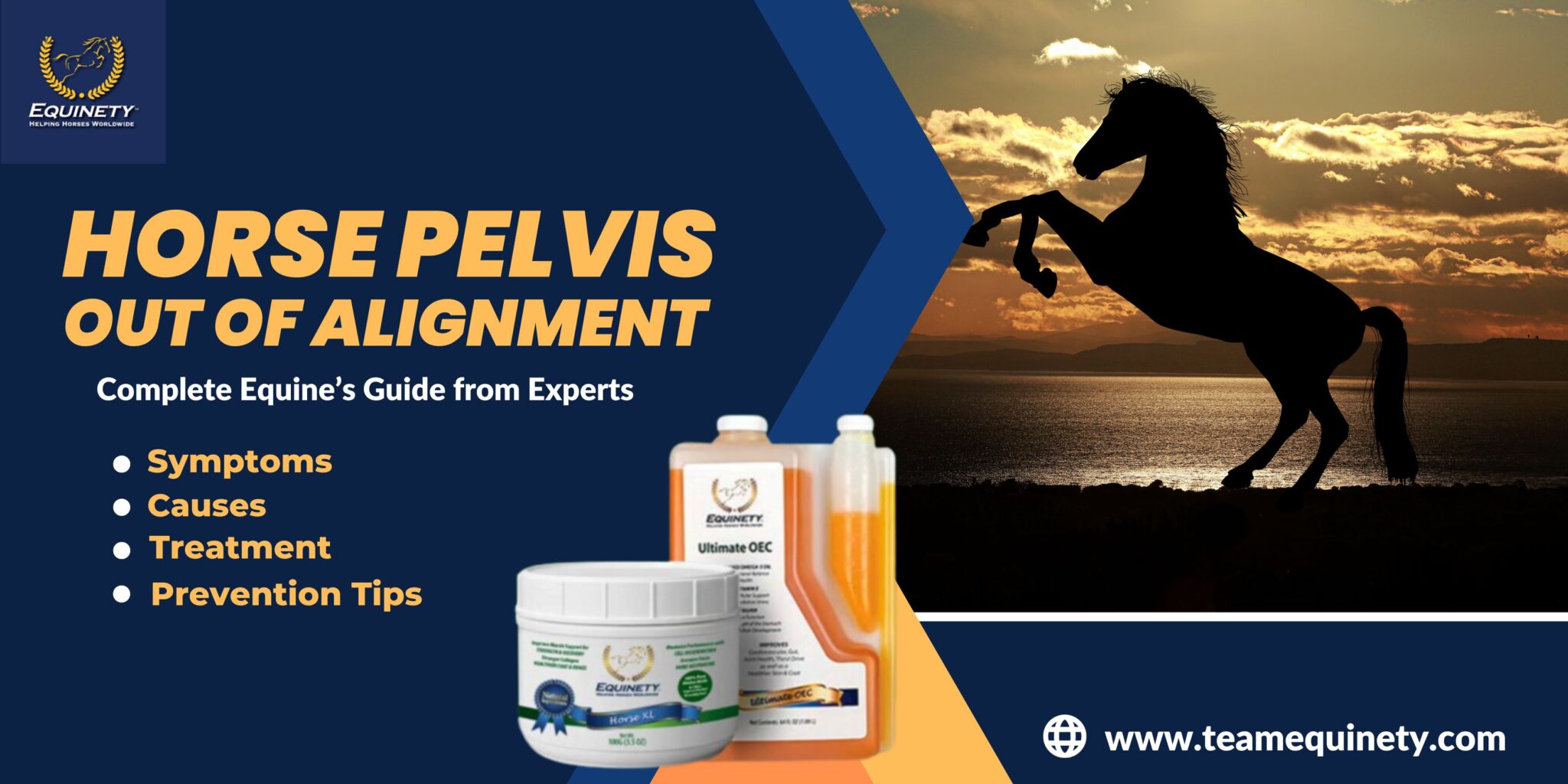
Provide a well-balanced diet to support the muscle and overall health of your equine. The inclusion of natural supplements like Equinety Horse XL and Equinety Ultimate OEC in the diet of equine will ensure joint solid health. These products are comprised of essential vitamins, minerals, amino acids, and colloidal silver that are necessary for the collective health of horses.

Expert’s Equine Guides for You:

Understanding Cracking Hooves in Horses: Causes, Prevention, and Treatment

Cracking hooves in horses can be a concerning issue for horse owners and enthusiasts alike. Not only can it cause discomfort and pain for the horse, but it can also lead to more serious hoof problems if left unaddressed. In this research-based article, we will delve into the causes of cracking hooves in horses, explore preventive measures, and discuss effective treatment options to ensure the well-being and hoof health of our equine companions.

a. What are the Causes of Cracking Hooves:

As horse owners, we know that the health and well-being of our equine companions are of utmost importance. One common issue that can arise is cracking hooves. Cracking hooves not only affects the horse’s appearance but also poses potential health risks. In this comprehensive blog post, we will explore the various causes behind cracking hooves, allowing you to take proactive measures to maintain optimal hoof health. So let’s dive in and uncover the secrets to healthy equine hoof care!

1. Insufficient Moisture Balance:

One of the primary causes of cracking hooves is an imbalance in moisture. Exposure to excessive moisture or prolonged dryness can lead to weakened hooves. In wet conditions, hooves can become soft and prone to cracking, while in dry conditions, hooves may become brittle. Maintaining a proper moisture balance through regular hoof moisturization and avoiding extreme environmental conditions is crucial.

2. Nutritional Deficiencies:

The diet of a horse plays a pivotal role in hoof health. Nutritional deficiencies, particularly in essential minerals such as biotin, zinc, and copper, can weaken hooves and make them more susceptible to cracking. Ensuring a well-balanced diet that includes quality forage, and supplements, and consulting with a veterinarian or equine nutritionist can help address any nutritional deficiencies.

3. Improper Trimming and Shoeing:

Incorrect trimming and shoeing practices can contribute to cracking hooves. Over-trimming or leaving hooves too long can disrupt the natural balance, leading to stress and cracks. Similarly, poorly fitted or ill-maintained shoes can cause pressure points and affect the hoof’s integrity. Regular professional farrier care, including proper trimming and shoeing, is essential for maintaining healthy hooves.

4. Environmental Factors:

The environment in which horses are kept can greatly impact hoof health. Constant exposure to wet or muddy conditions can soften hooves, making them more prone to cracking. On the other hand, arid or rocky terrain can cause excessive dryness and lead to cracking. Providing suitable shelter and turnout areas, as well as regular cleaning and drying of hooves, can help mitigate these environmental factors.

5. Hoof Infections and Diseases:

Certain infections and diseases can weaken the hoof structure, leading to cracking. Conditions such as thrush, white line disease, and laminitis can compromise the integrity of the hoof wall, making it more susceptible to cracks. Vigilant hoof care, regular cleaning, proper sanitation, and timely veterinary intervention are crucial in preventing and managing these issues.

6. Genetics and Conformation:

Genetics and conformation also play a role in hoof health. Some horses may be genetically predisposed to weaker hooves, making them more prone to cracking. Additionally, conformational abnormalities, such as imbalanced weight distribution or hoof imbalances, can put excessive stress on certain areas of the hoof, leading to cracks. Regular monitoring, corrective trimming, and proper shoeing can help manage these genetic and conformational factors.

Cracking hooves can be a distressing issue for both horse owners and their equine companions. By understanding the various causes behind cracking hooves, we can take proactive measures to maintain optimal hoof health. Ensuring a proper moisture balance, addressing nutritional deficiencies, practicing correct trimming and shoeing techniques, managing environmental factors, and vigilant hoof care can go a long way in preventing and managing cracking hooves. Remember, regular consultation with a veterinarian and a professional farrier is essential for the overall well-being of your horse’s hooves. Let’s strive for healthy, strong hooves that support our horses in their everyday endeavors!

b. What are the Prevention Strategies for cracking hooves:

Essential Strategies for Optimal Equine Hoof Care

As horse owners, we understand the importance of maintaining the health and well-being of our equine companions. One common issue that can arise is cracking hooves, which not only affects the horse’s appearance but also poses potential health risks. In this comprehensive blog post, we will explore the essential prevention strategies for cracking hooves in horses, allowing you to take proactive measures to ensure optimal hoof health. Let’s delve into the secrets of maintaining healthy hooves and keeping our horses happy and sound!

1. Regular Hoof Maintenance:

One of the key prevention strategies for cracking hooves is maintaining a regular hoof maintenance routine. This includes regular trimming and balancing of the hooves. Regular hoof care helps to ensure proper weight distribution and reduces the risk of imbalances that can lead to cracks. Engaging the services of a professional farrier who specializes in equine hoof care is crucial for maintaining the health and integrity of the hooves.

2. Balanced Diet:

Proper nutrition plays a vital role in hoof health. A well-balanced diet that includes essential nutrients such as biotin, zinc, and copper can help strengthen the hooves and reduce the risk of cracking. Consult with a veterinarian or equine nutritionist to develop a diet plan that meets your horse’s specific nutritional needs. Additionally, providing access to quality forage and supplements can help address any nutritional deficiencies and promote overall hoof health.

3. Adequate Moisture Balance:

Maintaining an optimal moisture balance is essential in preventing cracking hooves. Hooves exposed to excessive moisture or prolonged dryness are more prone to weakening and cracking. Regularly clean and dry your horse’s hooves, especially after exposure to wet or muddy conditions. Applying a hoof moisturizer can help prevent excessive drying while ensuring proper drainage and providing dry bedding can help reduce exposure to excessive moisture.

4. Suitable Environment:

The environment in which horses are kept can significantly impact hoof health. Providing a suitable and well-maintained environment can help prevent cracking hooves. Ensure that the turnout areas are free from hazardous objects and sharp edges that could cause injury or stress to the hooves. Additionally, providing adequate shelter and turnout time can help minimize exposure to extreme weather conditions, which can weaken the hooves and lead to cracks.

5. Regular Exercise:

Regular exercise is not only beneficial for overall equine health but also plays a role in preventing cracking hooves. Exercise stimulates blood circulation, which promotes healthy hoof growth and strength. It also helps to maintain optimal weight, reducing the strain on the hooves. Ensure that your horse gets regular exercise, whether through turnout, riding, or engaging in other activities that encourage movement and promote hoof health.

6. Timely Veterinary Care:

Regular veterinary check-ups are essential for the early detection and prevention of hoof issues. A veterinarian can identify any underlying health conditions that may contribute to cracking hooves and provide appropriate treatment. They can also advise on specific preventive measures based on your horse’s individual needs. Regular vaccinations and deworming are also crucial in maintaining overall equine health, which indirectly contributes to hoof health.

Preventing cracking hooves in horses requires a proactive approach and consistent care. By following these essential prevention strategies, such as regular hoof maintenance, a balanced diet, moisture balance, a suitable environment, regular exercise, and timely veterinary care, you can significantly reduce the risk of cracking hooves in your equine companion. Remember, healthy hooves are the foundation of a healthy horse, and investing time and effort in proper hoof care will pay off in the long run. Let’s strive for strong and sound hooves that support our horses in their everyday activities!

c. Nutritional Considerations:

Proper nutrition is a key component in maintaining strong and resilient hooves. Essential nutrients such as biotin, zinc, copper, and amino acids are crucial for hoof health. Ensuring that horses receive a well-balanced diet with adequate levels of these nutrients can help strengthen the hoof structure and minimize the risk of cracking. Consultation with a veterinarian or equine nutritionist can further refine dietary requirements based on individual horse needs.

d. Environmental Factors:

Environmental conditions can significantly impact hoof health. Excessive moisture, prolonged exposure to wet or muddy conditions, and extremes of temperature can weaken the hoof structure and make it more susceptible to cracks. Providing dry and clean bedding, regular hoof cleaning and drying, and utilizing turnout areas with good drainage can help mitigate the effects of adverse environmental factors on hoof health.

e. Treatment Options:

When dealing with cracking hooves, timely and appropriate treatment is crucial. The treatment approach will depend on the severity and underlying cause of the cracks. This may include corrective trimming, the application of hoof dressings or sealants, and the use of hoof supplements to promote hoof strength and growth. In more severe cases, professional intervention from a veterinarian or farrier may be necessary to address the underlying issues and provide specialized care.

f. Regular Hoof Maintenance:

Regular hoof maintenance is essential for overall hoof health and preventing the recurrence of cracks. This includes routine inspections, cleaning, and proper trimming to maintain the correct hoof balance. Horse owners should establish a consistent hoof care routine and work closely with a qualified farrier to ensure that any emerging issues are promptly addressed.

What is Equinety Horse XL and how it can help in the prevention of  horse hooves cracking

The Equinety Horse XL is a nutritional supplement specifically designed for horses. It contains amino acids, vitamins, and minerals that support overall health and well-being in horses.
– The Equinety XL can be beneficial for horses with cracking hooves as it provides essential nutrients that promote hoof strength and growth.
– By supporting the horse’s overall health and providing necessary building blocks, the Equinety system may help prevent and improve hoof cracks. It is important to consult with a veterinarian or equine nutritionist to determine the appropriate dosage and usage of the Equinety system for horses with cracking hooves.

Conclusion:

Understanding the causes, prevention strategies, and treatment options for cracking hooves in horses is crucial for maintaining their overall well-being. By implementing proper hoof care practices, providing a balanced diet, and ensuring a suitable environment, horse owners can significantly reduce the risk of hoof cracks. Regular inspections, timely treatment, and collaboration with experienced professionals are key to addressing any emerging issues. With a proactive approach to hoof health, we can ensure that our equine companions enjoy strong, healthy, and crack-free hooves for a lifetime of soundness and happiness.


FAQs of Hooves Cracking in Horses

1. what causes hoof cracks in horses?

– Inadequate hoof care, including improper trimming and neglecting regular maintenance, can weaken the hoof structure and lead to cracks.

– Environmental conditions such as excessive moisture, prolonged exposure to wet or muddy conditions, and extreme temperature fluctuations can weaken the hoof wall and make it more prone to cracking.

– Nutritional deficiencies, particularly a lack of essential nutrients like biotin, zinc, copper, and amino acids, can affect the quality and strength of the hooves, making them more susceptible to cracking.

– Some horses may have a genetic predisposition to developing weaker hooves, which can contribute to cracking.

– Trauma or injury to the hooves, improper shoeing, age-related changes, and excessive wear and tear from activities can also cause cracks to develop.

– Identifying the underlying cause of hoof cracks is crucial for implementing appropriate preventive measures and treatment to maintain hoof health in horses.

2. How can I prevent my horse’s hooves from cracking?

– Ensure regular and proper hoof care, including trimming and maintenance, to prevent imbalances and weaknesses that can lead to cracking.

– Provide a clean and dry environment for your horse, avoiding prolonged exposure to wet or muddy conditions that can weaken the hooves.

– Implement a balanced and nutritious diet for your horse, paying attention to essential nutrients like biotin, zinc, copper, and amino acids that support hoof health.

– Consult with a veterinarian or equine nutritionist to determine if any supplements or specific dietary adjustments are needed for your horse’s hoof health.

– Avoid excessive strain or trauma to the hooves, and provide appropriate hoof protection during activities that may cause excessive wear and tear. – Work with a qualified farrier to ensure proper shoeing or trimming techniques that support the overall health and balance of the hooves.

– Regularly inspect your horse’s hooves for any signs of cracks or issues, and address them promptly to prevent further damage.

– Maintain a consistent hoof care routine and seek professional guidance when needed to ensure the best preventive measures for your horse’s hooves.

3. What are the signs and symptoms of cracking hooves?

– Visible cracks and fissures on the hoof surface
– Flakey or brittle texture of the hoof walls
– Discoloration or dark spots on the hooves
– Lameness or sensitivity during movement
– Unpleasant odor or discharge from the hooves
– Visible cracks and fissures on the hoof surface
– Flakey or brittle texture of the hoof walls
– Discoloration or dark spots on the hooves
– Lameness or sensitivity during movement
– Unpleasant odor or discharge from the hooves

4. Are there any specific nutritional requirements to improve hoof health?

Maintaining optimal hoof health requires a holistic approach that includes proper nutrition, regular hoof care, and a suitable environment. By addressing the specific nutritional requirements and providing the necessary support, you can improve your horse’s hoof health and overall well-being.

5. Can environmental factors contribute to cracking hooves?

Understanding the impact of environmental factors on hoof health is essential for preventive measures. Providing a suitable living environment, maintaining proper moisture levels, regular hoof care, and ensuring a balanced diet can help minimize the risk of cracking hooves due to environmental factors.

6. Are there any specific hoof care products that can help with cracking hooves?

Equinety Horse XL provides the best care your horse may need. By using Equinety the six weeks and beyond you will see overall stronger, healthier hoof growth, thicker sole depth, and things of that nature.

7. Should I consult a veterinarian or farrier for cracking hooves?
8. Are there any home remedies or DIY treatments for cracking hooves?
9. How long does it take for cracked hooves to heal?
10. Can cracked hooves affect my horse’s performance or overall health?
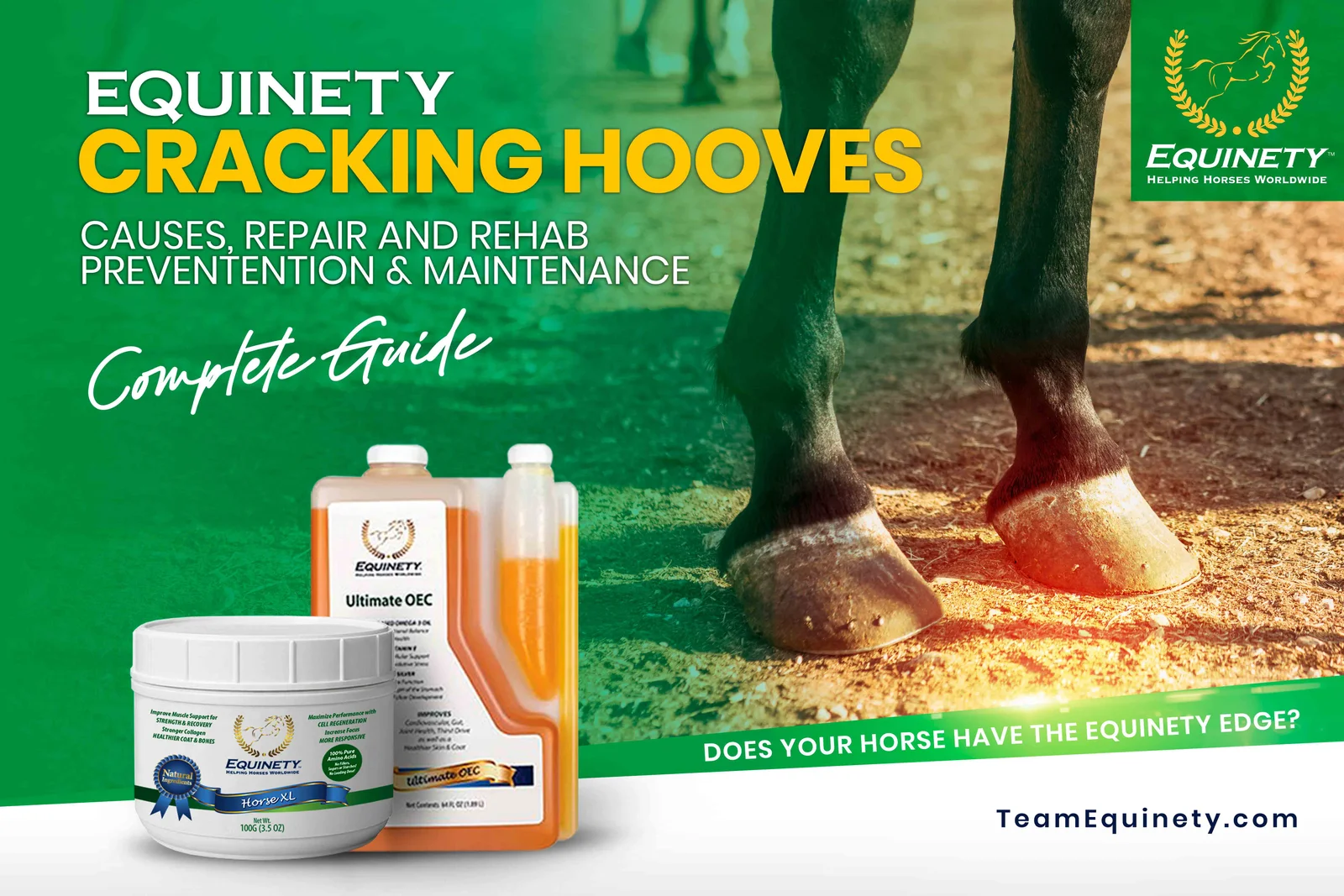
Cracked Hooves in Horse: Repair and Treatment (2023)

Healthy hooves are essential for getting maximum performance from horses, but hoof cracks are not uncommon in equine as they can still grow without creating any trouble. Some cracks are dangerous for equine health, especially when they reach the sensitive tissues protected by the hoof. Bleeding and infection can occur in these cases, and it takes much time to recover.

Hooves play a vital role in the comfortable movement of horses. So cracks in them can impair their ability to run and walk and cause dangerous infections. There are many signs and causes of cracks in hooves. So if you own a horse, you must be familiar with them to take proactive steps to ensure the health of hooves.
Types of Hoof Cracks:

The hoof wall of the feet of equine splits and cracks can range from a single crack to a deep, wide split that can cause painful situations. There are different types of hoof cracks explained below.

  • Quarter Cracks:

Quarter CracksIt is a painful condition for horses at the side of the hoof wall experienced at the line between the skin and the hoof. Improper trimming and overexertion are the main reasons behind quarter cracks, also known as vertical cracks.

  • Grass Cracks:

Grass CracksGrass cracks start from the ground and move upward in the horse’s hoof, causing discomfort in the whole body. Lack of exercise, poor nutrition, and the unfavorable surface of the ground are causes of grass cracks.

  • Toe Cracks:

Toe CracksDue to a lack of moisturizer in horses’ hoofs, this type of crack occurs, and the hoof wall becomes brittle and dry. It would be best if you treated it immediately. Otherwise, it can cause lameness in horses if left untreated.

  • Bar Cracks:

Bar CracksBar cracks occur in the inward folds of the hoof wall and appear as bars so that they can be the reason for trauma to the foot, and the situation becomes more painful for horses.

  • Sand Cracks:

Sand CracksSand cracks start from the coronary band and move downward, also considered a hoof wall fracture. Work surface, shoe type, and nature of exercise are the major contributory factors of sand cracks.

Fix Cracked Hooves Horses using Treatments:

You can go for the following treatments for fixing cracked hooves of horses.

  • Saturate the horse’s hoof in warm water for up to 10 minutes, as it will soften the hoof and be easy to work with them.
  • Hoof packing material is another best way to fix cracked hooves, so antibiotic ointment, tar, or petroleum material will be a better choice.
  • If you find any loose or cracked pieces in the hoof of the equine, then trim them with the help of a knife, as it will stop further damage to the hoof.

How to Repair Cracked Hooves Faster Using Supplements and Diet?

Cracked hooves are a common problem in many horses that can also lead to severe consequences. By bringing some changes in the lifestyle and diet of equine, you can overcome this situation easily.

1. Provide a Balanced Diet:

A balanced diet is essential for the overall well-being of horses, but if your equine is facing the problem of cracked hooves, then the role of diet is more important. Feeding your horse with high-quality grains, forage, and hay would be best because it will help in the fastest recovery. Providing essential fatty acids like omega 3 and omega 6 will be an excellent choice for equine. Besides, various fresh vegetables and fruits are also part of a balanced diet.

2. Natural Supplements:

Natural supplements are helpful in recovery from cracked hooves because they contain calcium, zinc, omega-3 fatty acids, and vitamins that can support the health of the hoof wall and reduce the risk of further cracking.

Selection of a natural supplement is challenging. So here we will recommend the best supplements for the faster recovery of cracked hooves.

Equniety Horse XL is a natural product that can help repair cracked hooves of your equine faster because it supports the necessary vitamins and minerals to grow new and healthy hoof tissues.

This product also contains amino acids that are building blocks for new hoof growth. So after regular use, the frequency and severity of cracked hooves will reduce significantly. You can also add it conveniently to the horse’s diet, and you will be surprised by the magical results of this natural supplement.

Equinety Ultimate OEC is a powerful antioxidant, anti-inflammatory and antibacterial product that replenishes cracked hooves with its natural formula. It contains colloidal silver, natural vitamin E, and flaxseed-based omega-3 oil that not only supports cracked hooves but is also beneficial for joint health, healthier skin, and coats.

It will increase the immune function of your equine much needed for the fastest recovery of cracked hooves. Colloidal silver added to this product can fight infections that can lead to serious hoof issues if not treated.

How to Treat Broken Horse Hooves?

  • In case of broken horse hooves, we strongly recommend consulting with a veterinarian and not trying to treat the injury yourself. The vet will analyze the overall condition of the hoof and identify the fastest solution for it.
  • Provide a peaceful environment for your equine where it can take maximum rest and stabilize the hoof by wrapping it in a vet wrap, as it will provide comfort to the broken hoof.
  • Go for a moderate level of exercise by ensuring that the horse is not putting too much pressure on the injured hoof as it can severe the condition.
  • Take special care about a balanced diet for your equine as it will help you recover fastest.
  • The inclusion of natural supplements in the regular diet of your horse will also be the best remedy for the treatment of broken hooves. A combination of Equinety Ultimate OEC and Equinety Horse XL will provide all the necessary vitamins, minerals, and flaxseed-based omega 3 to the horse, which is essential in recovery.

Recomended Equine Guides for You:

How serious is a cracked hoof on a horse?

Depending upon the size and location of the crack seriousness of the cracked hoof varies greatly, so in some cases, a crack can be minor that cause no real problems to the horses. In other conditions, a crack can be severe and cause serious consequences.

It is better to have the hoof examination by a veterinarian so that the equine gets the best treatment. Serious cracks require more intensive treatments that are only possible under the supervision of a qualified veterinarian.

Can you ride a horse with a cracked hoof?

No, riding a horse with a cracked hoof is not recommended because it can be a more painful situation for the equine and can cause further damage to the hooves. Before riding a horse, always ensure it is adequately shoed and the hoof is healthy, so in case of a cracked hoof, seek the vet’s advice before riding.

Soft Tissues Injury Types and Treatments in Horses

Soft tissue injury is one of the most common injuries that a horse can face. If we talk about athletic horses, unfortunately, they have more chances of getting a such injury. A soft tissue injury is challenging to diagnose and manage, so a horse takes more time to overcome this situation.

It is essential to diagnose soft tissue injury in your horse; otherwise, it may lead to big problems. After a soft tissue injury, your horse may look fine, but it will cause lameness for months or years. It can also force an athletic horse to retire, so we can say that prevention is the best treatment for such kinds of injuries in your equine.
Types of Soft Tissue Injuries:

A horse can face different types of soft tissue injuries, so you must be familiar with them before diagnosing any injury and its treatment. Following are a few examples of soft tissue injuries your equine can face in any life span.

1. Muscle Injuries:

Muscle injuries are a significant source of causing poor performance and lameness in equine due to stepping the wrong way or falling. If your horse is experiencing sensitivity to palpation, lameness, or muscle swelling, you should consult with Vet immediately.

2. Ligament Injuries:

Ligament injuries are also related to soft tissues injury as they are elastic soft tissue structures that connect bones with joints. Ligament injury occurs due to an excessive force placed on the joint of the equine that may be due to turning at speed.

3. Tendon Injuries:

Tendons attach muscles to the bones of the equine, and such injury occurs mainly during exercise, especially if horses are on the unlevel ground or jumping at speed. This injury can be minor with minimal fiber damage, and it can also be a significant injury that will result in complete tendon rapture.

Natural Treatment for Soft Tissue Injury with Supplements:

Horses are always at risk of injury because of their routine. So if your horse is facing a soft tissue injury, you should go for natural treatment with supplements to boost the recovery process. Nutritional support plays a vital role in the recovery of soft tissues and will also provide the proper strength to your horse to overcome this situation.

Restriction in inflammation is necessary to recover your equine from soft tissue injury. So it is recommended to add omega-3 supplements to the nutrition of it.

Equinety Ultimate OEC is the best natural product for any horse facing a soft tissue injury because it contains natural Vitamin E, Colloidal Silver, and Flaxseed Based Omega 3. This product is ideal for supporting the joint health of your equine and boosts the immune system.

Equinety Ultimate OEC has an anti-inflammatory formula that will help replenish the repaired cells, and your horse can recover faster. This formula also provides maximum support to the immune system of horses, which results in more stamina and healthy joints.

Equinety Horse XL is another natural product for horses facing soft tissue injury because it contains 8 amino acids necessary for the smooth performance of your horse and recovery from injuries.

Amino acids are crucial if your horse is facing a soft tissue injury because they help in cellular repair and the creation of proteins in the body. Muscle tissues and organ tissue injuries can cure naturally with the help of this product.

You can combine both products mentioned above to make a perfect natural supplement for your equine that will help speed the recovery process for soft tissue injury and provide your horse with what it needs. This supplement is ideal for all types of horses, irrespective of their job, as it contains all types of necessary ingredients that will help in fast recovery and a robust immune system.

Treating Knee Injuries in Horses:

If your horse is experiencing a knee injury, you should treat it immediately. Otherwise, it will take time to complete recovery. Pain and swelling in the knee of the horse is the main symptom of a knee injury, so if your horse is facing difficulty in movements of joints, then you should consult a Vet because there are more chances that this difficulty is due to soft tissue injury.

Give proper rest to the knee of the horse; apply ice on the knee as it will reduce swelling. A compressive bandage will help in providing comfort to the horse.

Use a natural supplement like a combination of Equinety Horse XL and Equinety Ultimate OEC for a speedy recovery from any kind of knee injury. These products contain omega 3, amino acids, and other necessary ingredients required for the cellular repair and boosting of the immune system of horses.

Soft Tissue Injury Recovery Time for Horses:

Proper rest and a balanced diet with some natural supplements are necessary for recovery from soft tissue injury. Add a natural supplement like Equinety Horse XL and Equinety Ultimate OEC to your equine’s nutrition to reduce the horse’s recovery time.

If your equine is facing a primary soft tissue injury, it may take up to six months to complete recovery. If we talk about the average time required to recover from soft tissue injury, it will take 3 to 4 weeks to overcome this situation with the inclusion of natural supplements in the horse diet.

Tendon Injuries in Horse:

Tendons attach the muscles to the bones of horses, and they are one of the most common soft tissue injuries in horses. Your horse will experience heat, swelling, and inflammation, and a tendon injury can end the athletic career of equine, so they should be treated immediately.

Consult a Vet for the proper diagnosis of tendon injury, and you can confirm the severity of the injury through an ultrasound scan. In all kinds of tendon injuries, the vets suggest controlled exercises. You can also add natural supplements like Equinety Horse XL and Equinety Ultimate OEC to the horse’s diet to speed up recovery.

Related Guides for You:

FAQs:

1. How to reduce swelling in horses’ legs?

If your equine is facing swelling in the legs due to any kind of soft tissue injury or excessive work, exercise then apply horse leg ice packs as they will help reduce swelling. A proper bandage will also be beneficial for providing comfort to swollen legs of the equine. Your horse will recover quickly from swelling of the legs if you include a natural supplement like Equinety Horse XL in its diet.

2. Why does soft tissue take long to heal?

A soft tissue injury will take a long time to heal, even if your horse undergoes aggressive therapies. You must think about at least 4 to 6 months for the complete recovery of the horse. Your horse has to go through the inflammation, regeneration, and remodeling stages to complete recovery, which is a long process.


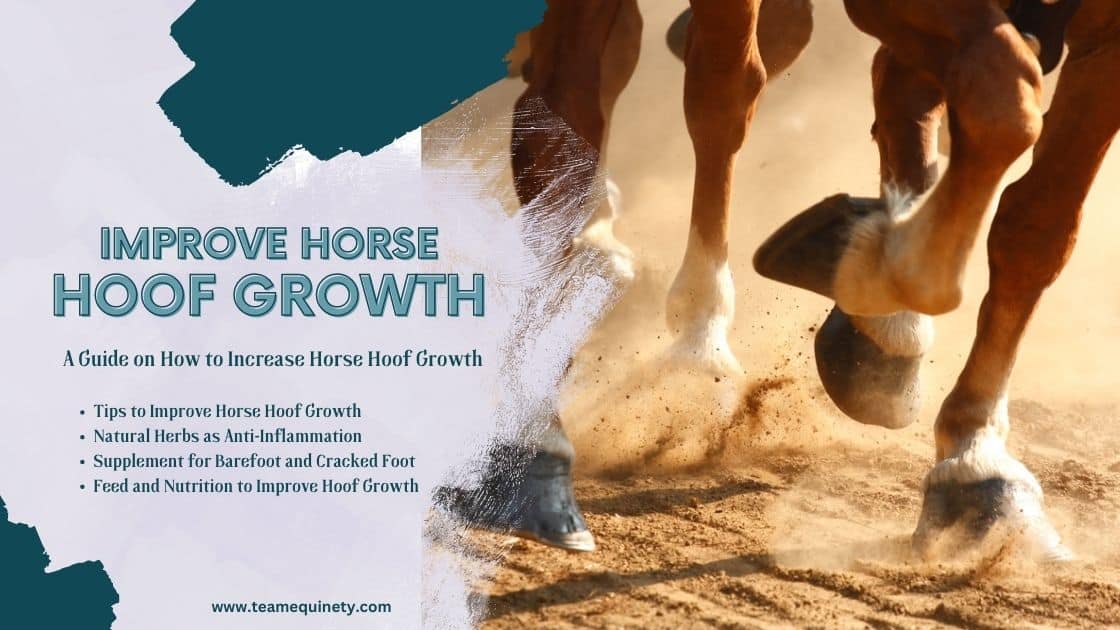
How to Increase Horse Hoof Growth (Guide 2023)

Horses travel on hard surfaces, which is why it is crucial to maintain the health of their hooves. The proper functioning and stability of their legs depend upon the condition of the hooves. So if you also own a horse, then you should continuously monitor the health of your equine’s hooves.

The growth of horse hoof depends upon their diet, but still, many horses require nutritional help so that you can add the best supplement to your horse’s diet. Hoof growth supplements contain biotin, zinc, vitamins, iodine, and amino acids that can improve the overall health of hooves.
Tips to Improve Horse Hoof Growth:

Healthy hooves of horses overgrow and are also easy to maintain by proper trimming and shod. If your horse is not having sufficient growth of hoof, then you can for these options.

  • Exercise:

Exercise also plays a vital role in the growth of the horse’s hoof as the movement in the horse’s body will increase blood flow and easily pass through the inner parts of the feet. A massive exercise will also help your equine absorb essential nutrients like amino acids, proteins, fats, and minerals, improving the horse’s overall health.

  • Nutrition:

If the horse’s nutrition is on the right track, it will also help him get healthy hooves. Low-calorie diet will result in slower growth of the hoof, and protein deficiency is also bad for the health of the hoof. Horses require frequent feeding, and including a hoof supplement like Equinety Horse XL will also help fulfill your equine’s nutrition requirements.

  • Hoof Supplements:

Horse nutrition supplements are ideal for getting the best hoof growth of a horse. So if your horse faces cracked, substandard hooves, it is advised to add a hoof supplement to the horse’s diet.

Equinety Horse XL is a supplement capable of solving all issues related to the growth of hooves. This product has a natural formula that maximizes your horse’s performance by repairing its hooves. After using this supplement, your horse will get stronger and healthier hoof.

There are eight amino acids in Equinety Horse XL. These are essential to keep your horse’s hoof healthy and for the necessary repair of cells. Lysine amino acid is present in this supplement for forming a healthy and strong hoof. You will get the optimum quantity of amino acids in each 5g scoop of this supplement that will build protein in the body of your equine. Zinc and minerals are essential for solving many hoof-related issues, and both are present in Equinety Horse XL.

Equinety Ultimate OEC is another product that contains Vitamin E, Colloidal Silver, and Omega 3 in it. This product acts as a potent antioxidant, secures the hoof’s health, and improves the horse’s performance by boosting its immune system.

Vitamin E added to this formula is helpful for nerve and muscle functioning and prevents the hoof from cracks and other problems. Omega 3 acid will give a shiny and robust hoof to your equine and develop resilience against allergies and irritations associated with a hoof. Colloidal silver can heal irritated skin and supports the overall health of hooves in horses.

You can also combine both of these products to make the best hoof growth supplement for your horse. Combining these two products in the horse’s diet will secure the growth and health of the hoof of the horse, but it will also provide all necessary vitamins, minerals, and protein in the body of the equine.

Hoof Supplement for Barefoot Horses:

Many horses can perform better with the help of barefoot. If your horse is posing good hoof health, you can go barefoot. Still, you will need a hoof supplement for barefoot horses because it will protect and support the feet.

Equinety Horse XL is a natural supplement that will help your barefoot horse to perform better. This product is equally suitable for barefoot performance and working horses. It is a high-quality supplement with no soy, starches, sugar, or fillers added to it to maintain hooves’ natural health.

Hoof Supplement for Cracked Hooves:

Cracked hooves are dangerous for the horse as they will not only significantly decline the horse’s performance but can also lead to deadly infections. No matter how minor the crack is, you should pay special attention to proper treatment and care for it.

Hoof supplements are also helpful for repairing cracked hooves. So if you are looking for the best supplement for your horse, you must think about a combination of Equinety Ultimate OEC and Equinety Horse XL. These two products will make a perfect supplement for the cracked hooves of the horse by boosting the immune system of horses for quick repair and sufficient growth of hooves.

Feed and Nutrition for Equine to Improve Hoof Growth Naturally:

If you manage the best feed and nutrition for your equine, it will also naturally improve the hoof growth. You can add many herbs to the diet of your equine for better hooves and inclined performance.

Rosehips, nettle, comfrey, and kelp are essential herbs that will make the skin and hooves of your equine healthy. You can also add vitamins to your horse’s feed and nutrition to improve hooves’ health. A natural supplement like Equinety Horse XL is also ideal for making the best growth of hooves because it contains all essential minerals, vitamins, amino acids, and protein that are necessary for the proper functioning of the body of the equine.

What Factors Affect Hoof Growth?

The hoof growth of a horse depends upon many factors, and a better hoof is also essential for the performance and overall health of the horse. Following are a few main factors that can affect hoof growth.

1. Nutrition:

Nutrition is the first and most crucial element in the hoof growth of a horse. So if your equine is getting substandard or poor nutrition, it will result in different hoof-related issues and a dull hair coat. Add zinc, minerals, proteins, and amino acids to your equine’s diet for their hooves’ massive and rapid growth. A natural supplement like Equinety Horse XL will help your horse get all the necessary nutrients and better hoof growth.

2. Age:

Senior horses experience more issues related to the growth of their hooves because as they grow older, the growth of hooves becomes slower.  

3. Exercise:

Exercise is essential for the growth of the hoof. So if your horse is doing little exercise regularly, it will affect the growth of the hoof inversely.

4. Environment:

Environment and demographic conditions also contribute to the growth of hooves in horses. In cold months the growth of the hoof becomes slower in a horse, whereas in spring and summer, you can expect considerable growth in their hooves.

5. Injuries:

Foot injuries in horses also affect the growth of their hooves, so you must not forgo any minor injury and take proper care of your equine for the progressive growth of horses and their overall health.

Useful Posts for You: